Mumbai: There is a quiet defiance at the heart of Project Hail Mary. At a time when science fiction is increasingly preoccupied with collapse—of systems, morality, and hope—this film takes a far riskier route: it chooses optimism.
Directed by Phil Lord and Christopher Miller, and adapted from Andy Weir’s bestselling novel, the film strikes a delicate balance between spectacle and sincerity. On the surface, it tells the story of a dying sun and humanity’s last desperate mission. Beneath that, however, it explores something far more intimate—connection, trust, and what it means to not face the end alone.
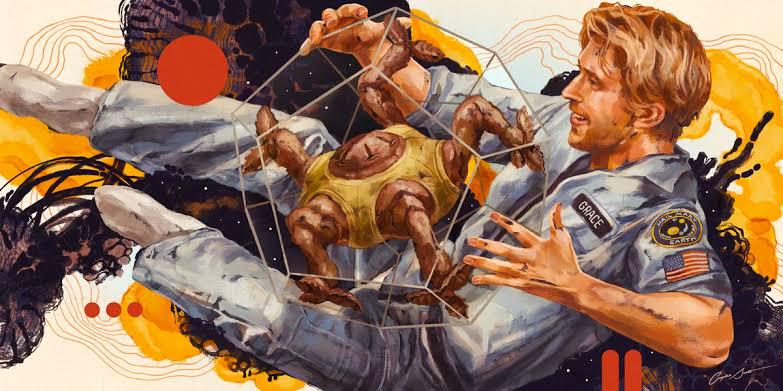
At the centre of the story is Ryland Grace, played by Ryan Gosling, who awakens in deep space with no memory and gradually, no illusions about humanity. Gosling delivers a restrained yet deeply affecting performance, favouring vulnerability over conventional heroism. His portrayal blends humour, fear, and reluctant courage, grounding the narrative even when the science threatens to dominate.
Visually, the film is immersive without being excessive. It captures both the vastness of space and the weight of isolation with precision. Rather than romanticising space, it presents it as it is—vast, indifferent, and unforgiving. The camera lingers on confined interiors and sterile environments, reinforcing the fragility of human existence in a setting that offers no margin for error.
Adapting Andy Weir’s technically dense novel was no easy task, but screenwriter Drew Goddard manages it with clarity and restraint. The film simplifies the science without stripping it of meaning, making it accessible while preserving its essence. While some of the novel’s detailed problem-solving is pared down, the film gains emotional depth in return. It understands that the story is not just about saving Earth, but about why saving it matters.
That emotional core comes into focus through Rocky—an alien being whose presence becomes the film’s most unexpected strength. Without revealing too much, the relationship between Grace and Rocky evolves into something deeply moving. Built on curiosity, patience, and mutual understanding, their bond transcends differences and avoids the clichés of traditional cinematic relationships.
In a landscape dominated by dramatic romances and tragic alliances, this connection feels refreshingly genuine. It is free from ego, politics, or power—simply two beings choosing cooperation and kindness in the face of survival. In many ways, it becomes more intimate than a conventional love story, because it is rooted in trust rather than desire.

As the story unfolds, Grace’s growing comfort with this unlikely companionship raises thought-provoking questions. What does it say about humanity if solace is found more easily beyond it? The film subtly reflects contemporary anxieties—resource scarcity, fractured alliances, and ethical compromises in times of crisis.
Yet, despite these undertones, Project Hail Mary never slips into cynicism. That is perhaps its greatest strength. It suggests that cooperation, however fragile, remains possible—and that connection, no matter how unlikely, can still be humanity’s greatest hope.
The film is not without flaws. Its pacing occasionally lingers, and certain emotional beats could be tighter. However, these are minor shortcomings in an otherwise compelling journey.
Ultimately, Project Hail Mary serves as a reminder of why science fiction matters. Not for its scale or spectacle, but for the questions it dares to ask: Who are we when everything is at stake? And who do we choose to stand beside?
In answering these, the film delivers something rare—not just wonder, but warmth.
Project Hail Mary releases in India on March 26, following a brief delay.