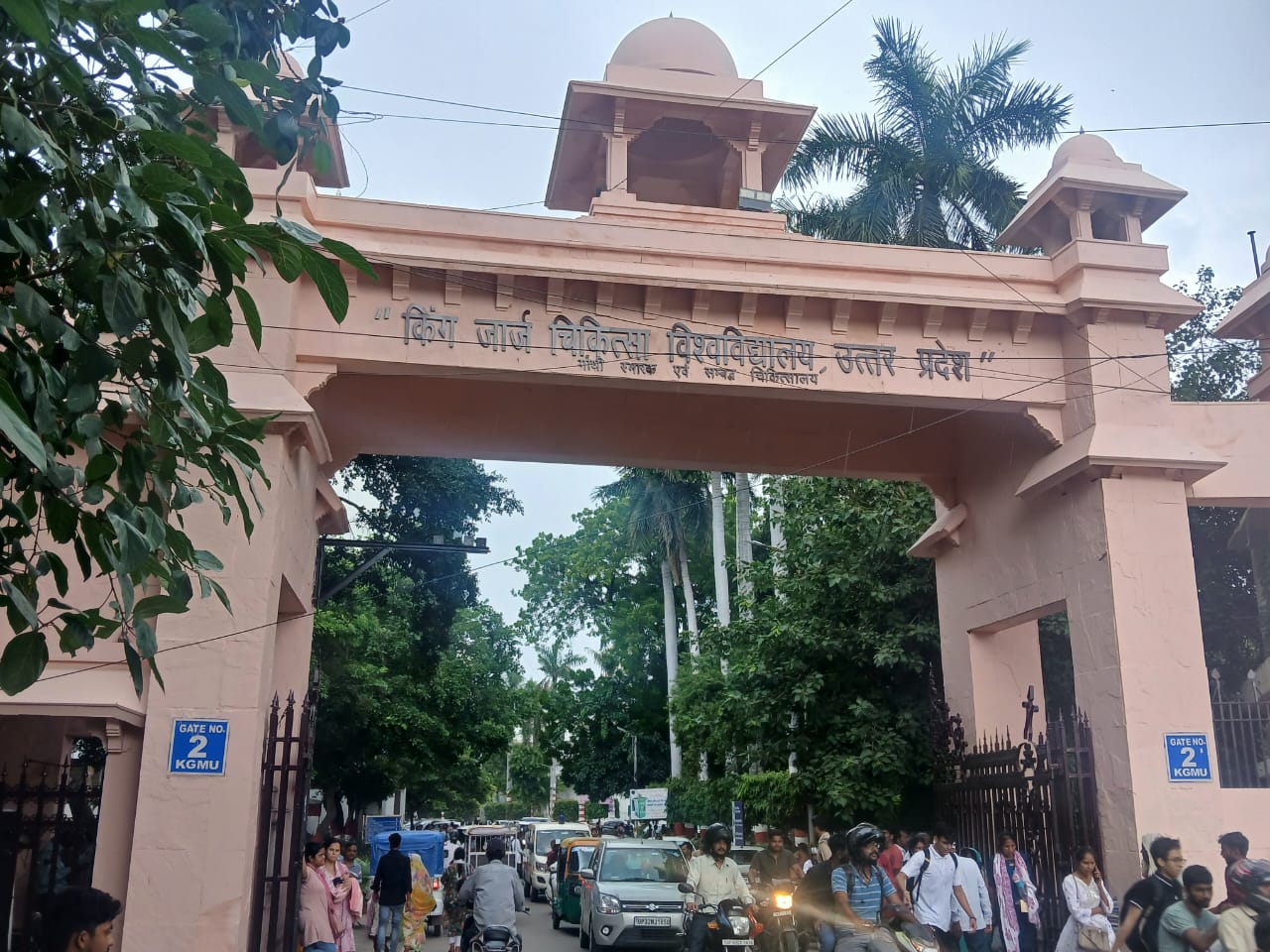
Lucknow | The Uttar Pradesh government has given its approval to a key proposal submitted by King George’s Medical University (KGMU) for strengthening telemedicine services in the state. On Thursday, the state government accorded permission for the establishment of a Centre of Excellence for Telemedicine Services at KGMU.
The proposal was presented by Dr Sheetal Verma, Nodal In-Charge, Telemedicine Unit, under the guidance of Vice-Chancellor Prof Sonia Nityanand. The initiative aims to enhance the quality and effectiveness of tele-consultation services across Uttar Pradesh through the eSanjeevani Platform 2.0.

The project has also received grant support from the Bill & Melinda Gates Foundation (BMGF), which will assist in its implementation and operations. The initiative is being seen as a significant step towards improving access, quality, and equity in healthcare delivery across the state.
Telehealth services have played a crucial role in expanding healthcare access, particularly in remote and rural areas. The eSanjeevani platform has remained at the forefront of this transformation. Recognising the importance of maintaining high-quality tele-consultations, the state government approved KGMU’s comprehensive and forward-looking proposal.
Prepared in consultation with key stakeholders and experts, the proposal outlines a multi-dimensional strategy to address existing challenges in telemedicine services and improve overall quality. The approved plan includes the establishment of a Centre of Excellence for Telemedicine at KGMU, deployment of mentors and group practice managers to monitor tele-consultation quality, development of training material and standard operating procedures for healthcare providers, systems for ensuring clinical and documentation quality through audits and evaluations, expansion of specialist services, and exploration of new telemedicine innovations.
The initiative will also strengthen coordination with partner institutions such as the National Health Mission (NHM) and the Centre for Development of Advanced Computing (C-DAC).

Vice-Chancellor Prof Sonia Nityanand described the approval as a landmark step, stating, “This historic initiative reflects the Uttar Pradesh government’s commitment to the effective use of technology in healthcare delivery. By improving the quality of tele-consultations, the state aims to enhance patient care, optimise resource utilisation, and reduce urban-rural health disparities.”
Dr Sheetal Verma added, “We are extremely pleased with the approval of this transformative proposal. This marks the beginning of a new era of telemedicine excellence in Uttar Pradesh. Through strategic collaborations and coordinated efforts, we are committed to raising healthcare standards and ensuring equitable access to quality healthcare for every citizen of the state.”
The implementation of the approved proposal will begin shortly in a phased manner to ensure long-term and sustainable impact. Moving forward with a focus on health innovation and inclusive services, eSanjeevani Platform 2.0 is expected to emerge as a powerful medium for delivering accessible and high-quality telemedicine services in Uttar Pradesh.
The project will be supported by Jhpiego and the Bill & Melinda Gates Foundation during its operational phase.


 ---------------------------------------------------------------------------------------------------