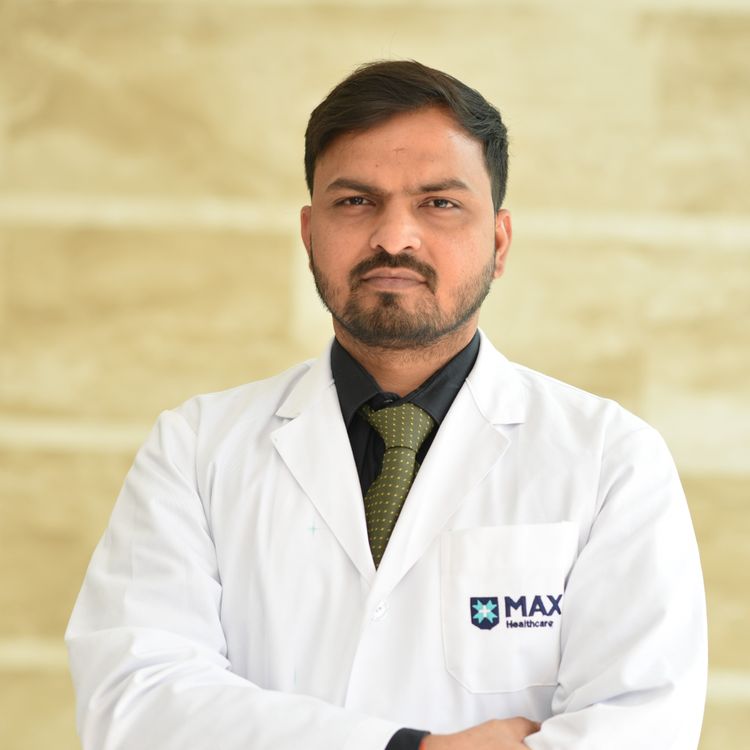
By Dr. Shashank Chaudhary
Principal Consultant – Surgical Oncology / Cancer Care / Robotic Surgery

Max Superspeciality Hospital
Cancer has become one of the most serious health challenges of our time, and tobacco consumption remains one of its biggest causes. Smoking, gutkha, khaini, pan masala, and other tobacco products significantly increase the risk of cancers affecting the mouth, throat, lungs, stomach, pancreas, urinary bladder, and food pipe. Every year, thousands of lives are impacted simply because people ignore the long-term dangers associated with tobacco use.
On the occasion of World No Tobacco Day, I would like to urge people to adopt a tobacco-free lifestyle and prioritize preventive healthcare. In my experience as a cancer surgeon, I have seen that many cancer cases can be prevented through awareness, regular health check-ups, and healthier living habits.
One of the biggest challenges in cancer treatment is delayed diagnosis. Early symptoms such as persistent mouth ulcers, difficulty swallowing, unexplained weight loss, chronic cough, or unusual lumps are often ignored. Timely consultation and screening can save lives because cancers detected in the early stages respond far better to treatment.

Modern medical advancements, including robotic surgery and advanced surgical oncology, have transformed cancer treatment by making procedures safer, more precise, and less painful. Patients today benefit from quicker recovery, reduced blood loss, and improved quality of life after surgery.
Quitting tobacco is not just a personal decision; it is a commitment to protecting your family and future generations. A healthy lifestyle, regular screening, and awareness remain our strongest weapons against cancer.
Specializations:
• Surgical Oncology
• Gastrointestinal & Hepatopancreatobiliary Cancer Surgery
• Breast Cancer Surgery
• Head & Neck Cancer Surgery
• Thoracic Oncology
• Uro-Oncology
• Musculoskeletal Oncology
• Gynecologic Oncology
Experience: 14+ Years
Message:
“Quit tobacco, undergo regular health screenings, and stay aware. Prevention and early diagnosis remain the strongest safeguards against cancer.”