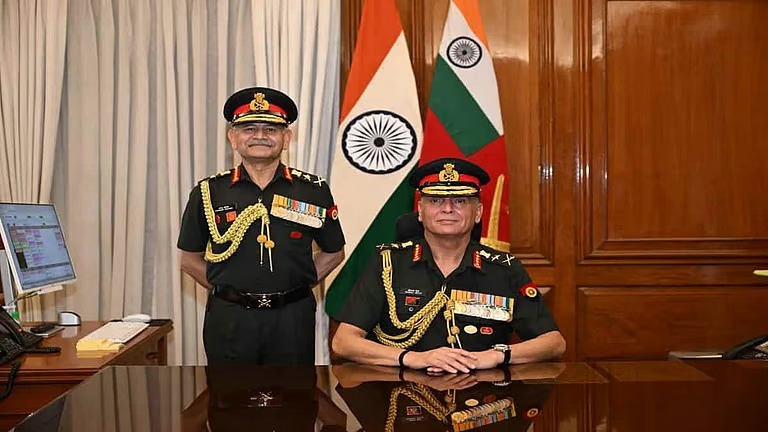
New Delhi: General Dhiraj Seth assumed office as the 31st Chief of the Army Staff, taking command of the Indian Army at a pivotal time as the force advances its modernization agenda and strengthens preparedness to address evolving security challenges.
General Seth succeeds Upendra Dwivedi, who retired after more than four decades of distinguished service to the nation.

Widely regarded as an experienced operational commander and strategic thinker, General Seth brings nearly 40 years of military experience to the Army’s top post. His appointment comes as the Indian Army continues its transformation into a technologically advanced, self-reliant, and future-ready force capable of addressing both conventional and emerging security threats.
A Career Built on Leadership and Operational Excellence
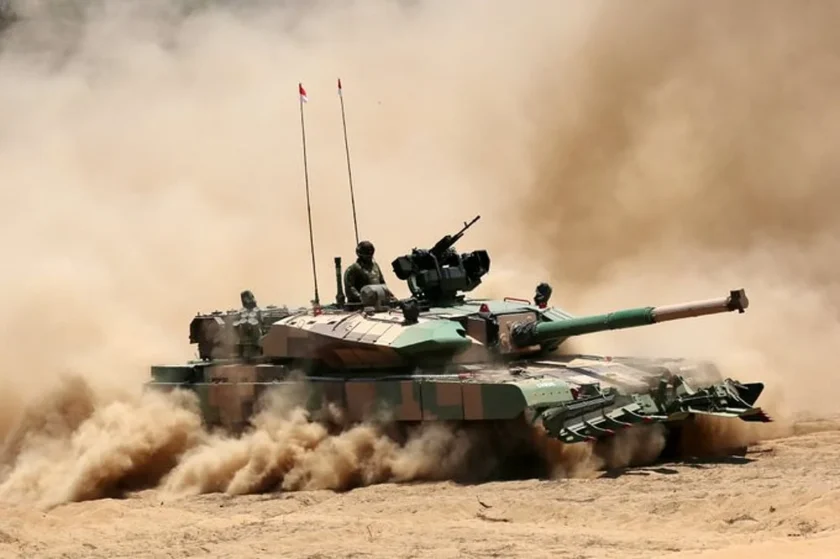
An alumnus of the National Defence Academy, General Seth was commissioned into the Armoured Corps in December 1986. Over the course of his military career, he has held a wide range of command, staff, and strategic appointments across diverse operational environments.
Before assuming charge as Army Chief, he served as Vice Chief of the Army Staff, where he played a key role in shaping military preparedness, modernization initiatives, and capability development.
One of the defining aspects of his career is the rare distinction of having commanded two major operational Army commands along India’s western front. As an Army Commander, he led both the Jaipur-based South Western Command and the Pune-headquartered Southern Command, positions that involved overseeing critical operational responsibilities and maintaining combat readiness across strategically important regions.
Leading the Army in a Changing Security Environment
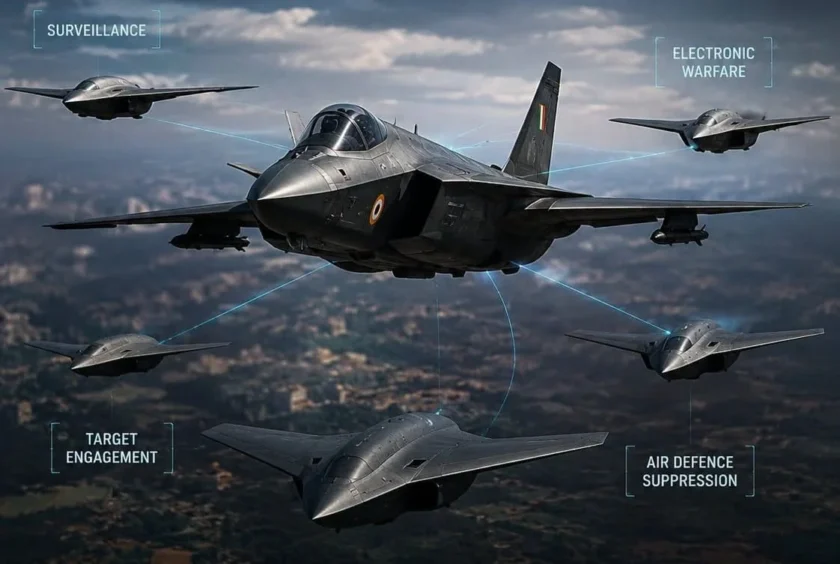
General Seth takes over at a time when global and regional security dynamics are undergoing rapid transformation. Advances in technology, cyber warfare, artificial intelligence, unmanned systems, and multi-domain operations are reshaping the character of modern warfare, compelling armed forces worldwide to adapt to new realities.
Defence analysts believe that one of his key priorities will be accelerating the Army’s modernization programme while enhancing interoperability with the Navy and Air Force as India moves toward greater jointness and integrated military operations.
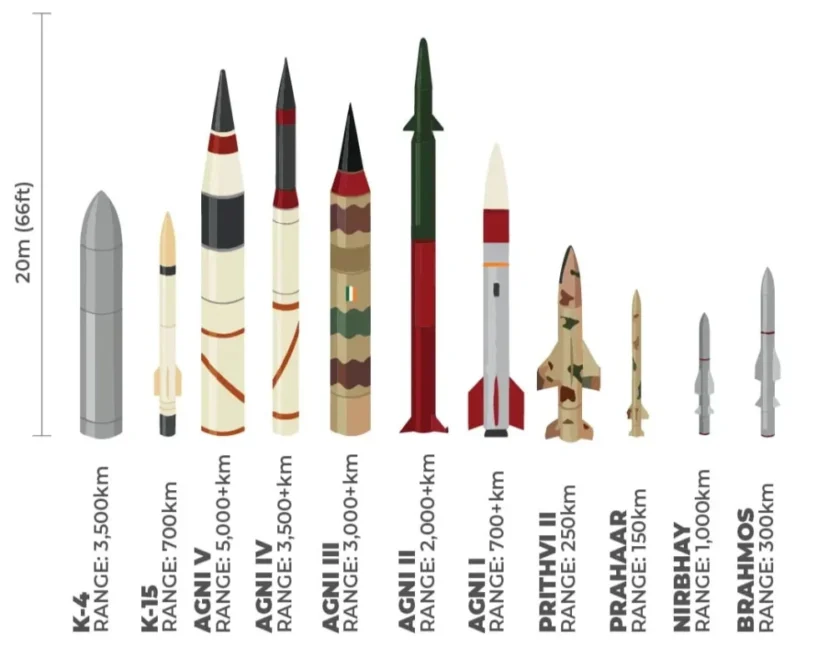
His appointment also coincides with ongoing efforts to strengthen indigenous defence capabilities and reduce dependence on imported military equipment under the broader vision of self-reliance in defence production.
Extensive Command Experience
Throughout his career, General Seth has built an impressive operational profile spanning deserts, border regions, urban centres, and counter-insurgency theatres.
His command assignments have included leading an Armoured Regiment in the desert sector, an Armoured Brigade in the western theatre, and a counter-insurgency force in Jammu and Kashmir. These roles provided him with experience across a wide spectrum of military operations, from conventional warfare to internal security challenges.
As a Lieutenant General, he commanded the prestigious Sudarshan Chakra Corps, one of the Indian Army’s premier strike formations. He later served as General Officer Commanding, Delhi Area, where he oversaw important military engagements, ceremonial responsibilities, and strategic coordination activities in the national capital.
His broad exposure across operational and administrative roles has given him a comprehensive understanding of the Army’s evolving requirements and future challenges.
Architect of Modernization and Capability Development
Apart from his field command experience, General Seth has played an influential role in shaping the Army’s modernization roadmap.
During various assignments at Army Headquarters, he worked closely on strategic planning, capability development, force restructuring, and long-term military transformation initiatives. His contributions helped align operational requirements with emerging technologies and evolving battlefield demands.

Military officials credit him with supporting efforts aimed at enhancing combat effectiveness, integrating advanced technologies, and strengthening force readiness for future conflicts.
His experience in balancing operational priorities with long-term modernization objectives is expected to be particularly valuable as the Army continues to pursue reforms focused on technology adoption, organizational transformation, and integrated military operations.
Leadership During Operation Sindoor
Before becoming Vice Chief of the Army Staff, General Seth headed the Southern Command, one of the Army’s largest operational formations.
Under his leadership, the command maintained a high level of preparedness and operational readiness during Operation Sindoor, reinforcing its ability to respond effectively to emerging security requirements.
His tenure was marked by a strong emphasis on training, operational efficiency, and force preparedness, principles that are expected to guide his leadership as Army Chief.
Academic and Professional Achievements
General Seth is also recognized for his strong academic and professional credentials. Throughout his military education, he consistently excelled in advanced training programmes and leadership courses.
He is a graduate of the Higher Command Course and the National Defence College, institutions that prepare senior military leaders for strategic responsibilities.
Additionally, he attended the prestigious Command and Staff Course in Paris, further broadening his understanding of international security issues, military strategy, and contemporary defence challenges.
These educational experiences, combined with decades of operational service, have contributed to his reputation as a well-rounded military leader with both strategic vision and practical command expertise.
As General Seth takes charge of the 1.3-million-strong Indian Army, expectations are high that he will continue the momentum of ongoing reforms while guiding the force through a rapidly changing security landscape.
His tenure is expected to focus on modernization, technological integration, operational readiness, indigenous capability development, and deeper coordination among the three armed services.
At a time when warfare is increasingly shaped by innovation, technology, and joint military operations, General Seth’s blend of operational experience, strategic insight, and modernization expertise positions him to lead the Indian Army through its next phase of transformation.
With nearly four decades of distinguished service behind him, he now assumes one of the country’s most important military responsibilities—ensuring that the Indian Army remains prepared, adaptable, and capable of meeting the challenges of the future while safeguarding the nation’s security interests.







 ---------------------------------------------------------------------------------------------------