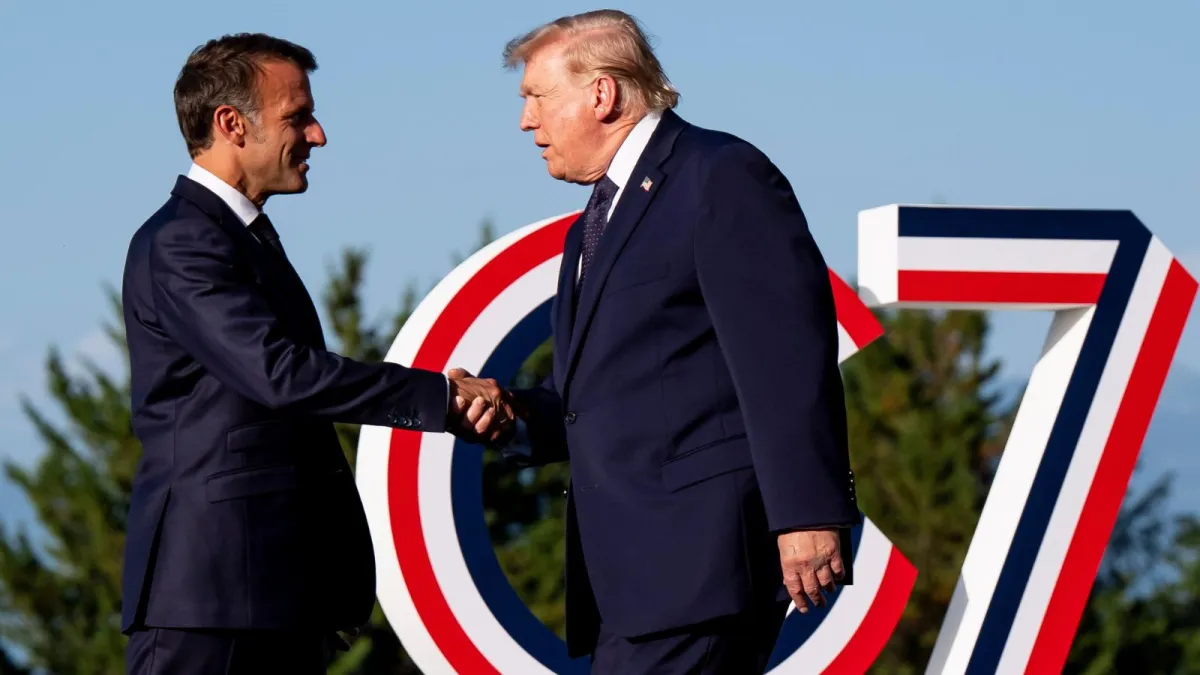
Paris: Diplomacy took centre stage in France as leaders of the world’s leading industrialised democracies gathered for a high-stakes G7 Summit 2026, with two global crises dominating discussions — the ongoing war in Ukraine and rising instability in the Middle East.
Ukrainian President Volodymyr Zelenskyy attended the summit as a special guest, underscoring continued Western engagement with Kyiv amid the prolonged conflict with Russia.

Ukraine Returns to the Forefront of Global Diplomacy
Attention on the war in Ukraine has intensified again after recent global focus briefly shifted toward tensions involving Iran and the broader Middle East. However, renewed diplomatic engagement at the summit brought the conflict back into sharp focus.
U.S. President Donald Trump said he had recently held separate conversations with both President Zelenskyy and Russian President Vladimir Putin, signalling renewed attention on possible pathways toward reducing hostilities.
French President Emmanuel Macron reiterated that sustained international backing for Ukraine remains essential. He stressed the importance of keeping diplomatic pressure on Moscow while ensuring Washington continues to play an active role in supporting Kyiv.
Macron also emphasised that any future peace process must include Ukraine and Russia directly, alongside key international stakeholders, to ensure legitimacy and long-term stability.
Continued Pressure After Fresh Strikes in Ukraine
The discussions came shortly after reports of renewed Russian drone and missile attacks on Ukrainian cities, which caused civilian casualties and significant infrastructure damage, including fires at cultural and religious sites. These developments added urgency to calls for stronger international coordination.
European leaders used the summit to reaffirm long-term political and economic support for Ukraine, particularly as the country continues its push toward deeper integration with the European Union.
Ukraine’s Path Toward the European Union
Ukraine has formally advanced its accession process toward membership in the European Union, a move widely seen as a strategic milestone in its post-war reconstruction and long-term security framework.
While the process is expected to take years and require major reforms, Ukrainian officials view EU membership as central to the country’s future stability. However, its aspiration to join NATO remains uncertain amid differing views among allied nations.

Middle East Stability Also Dominates Agenda
Alongside the Ukraine conflict, leaders devoted significant attention to rising tensions in the Middle East, particularly concerns over Iran and the security of vital maritime routes.
A special session brought together leaders from Egypt, Qatar, and the United Arab Emirates, reflecting broader international efforts to prevent further escalation and encourage dialogue.
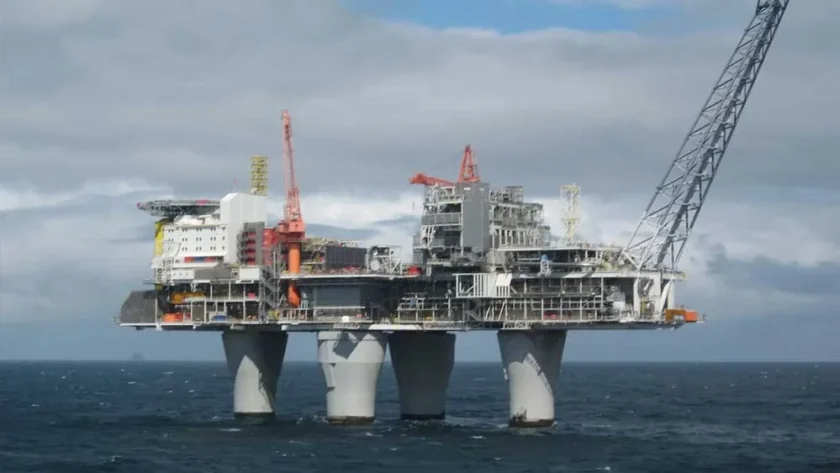
Discussions also focused on protecting global energy supply chains, with particular concern over the strategic importance of the Strait of Hormuz, a critical passage for global oil shipments.
European nations such as France, Germany, Italy, and the United Kingdom pushed for coordinated diplomatic measures to stabilise the region, while the United States emphasised flexibility in its approach to security arrangements.
Economic Stability and Global Trade Concerns
Beyond security challenges, economic stability was a key theme at the summit. Rising energy prices and disruptions to global shipping routes have increased pressure on governments to restore predictability in international trade.
Leaders highlighted the importance of safeguarding maritime security while balancing diplomatic efforts to prevent further military escalation in the region.
High-Level Engagements Continue
The summit schedule includes further bilateral meetings between President Zelenskyy and G7 leaders, along with discussions involving partner nations invited to selected sessions.
The G7 Summit comprises France, the United States, Canada, Germany, Italy, Japan, and the United Kingdom. Partner countries including India, Brazil, Kenya, and South Korea are participating in select discussions, reflecting the widening scope of global cooperation on security, energy, and economic resilience.





 ---------------------------------------------------------------------------------------------------