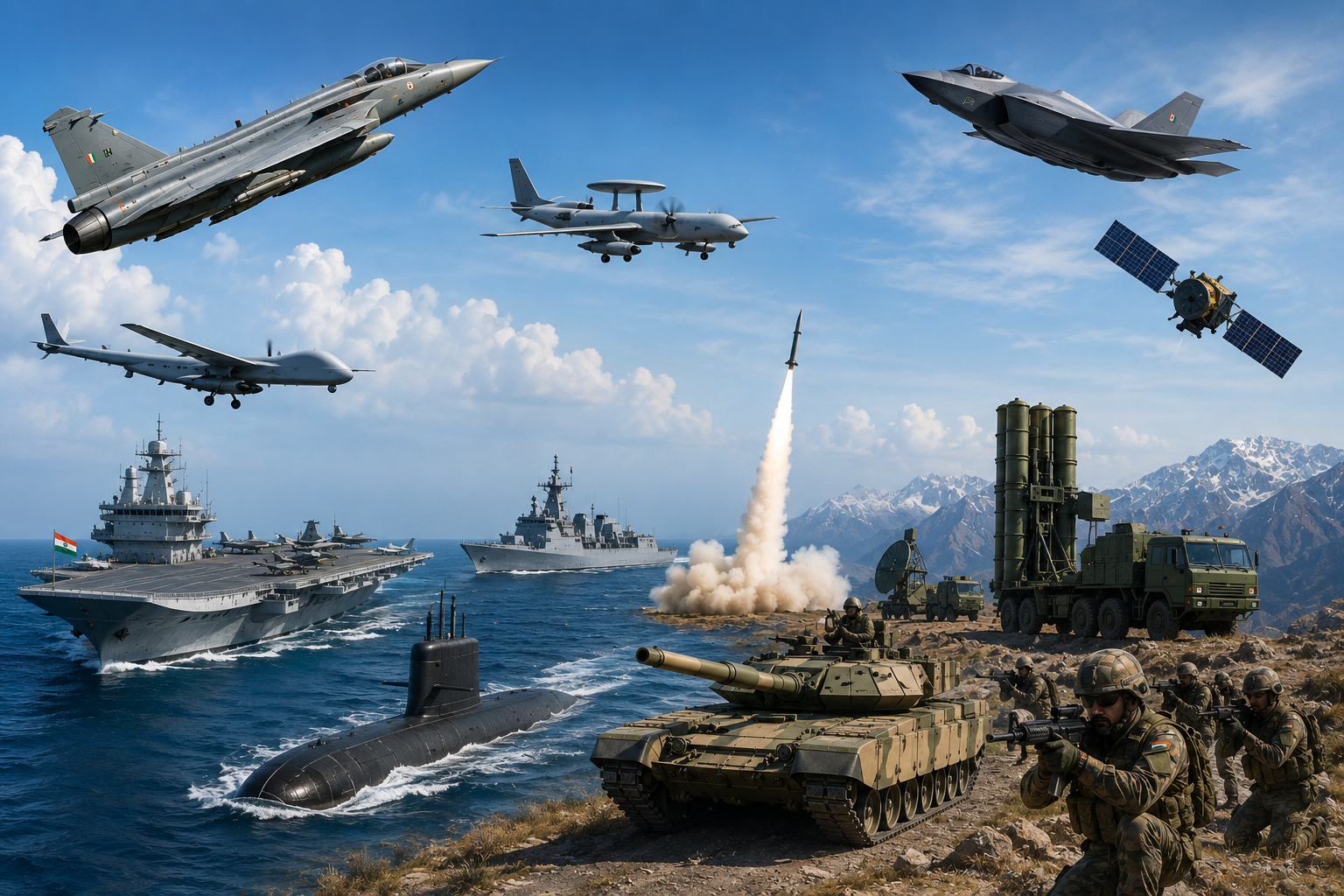
New Delhi: India’s defence ecosystem is undergoing one of the most significant transformations in its modern history. Driven by shifting regional security dynamics, rapid technological change, and a strong push for self-reliance, the country is steadily upgrading its combat capabilities across land, air, sea, cyber, and space domains. The focus is no longer limited to acquiring platforms but on building an integrated, network-centric force powered by indigenous design, advanced sensors, artificial intelligence, and precision strike systems.
A Shift Toward Self-Reliance in Defence Production
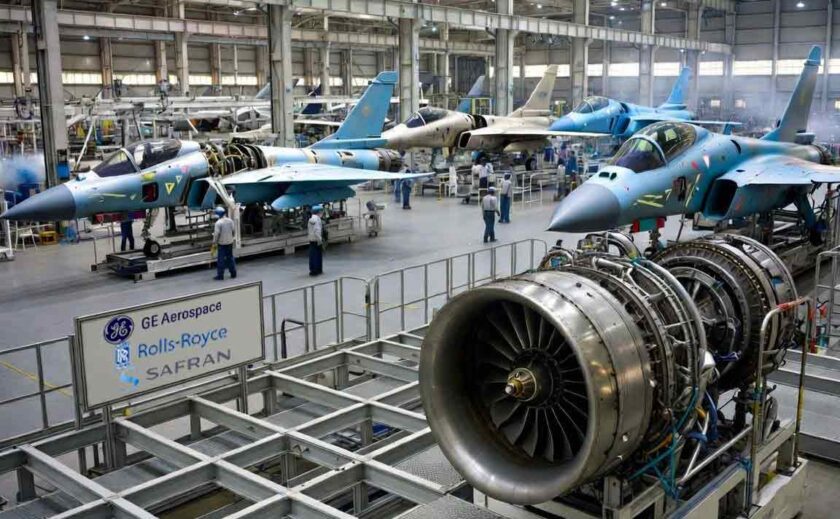
At the heart of India’s military modernization lies the push for “Aatmanirbhar Bharat” in defence manufacturing. Institutions such as Hindustan Aeronautics Limited (HAL) and the Defence Research and Development Organisation (DRDO) are leading the development of indigenous platforms that reduce dependence on imports.

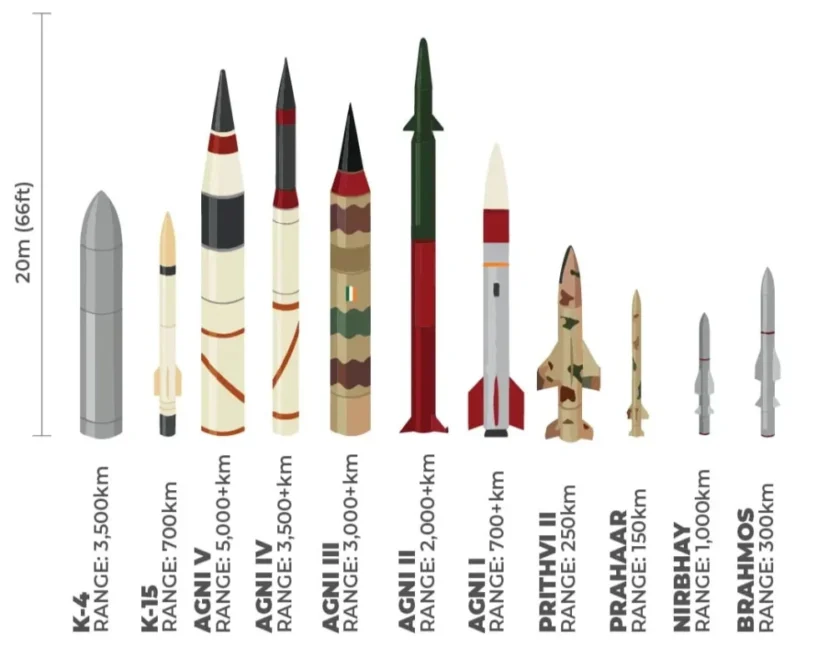
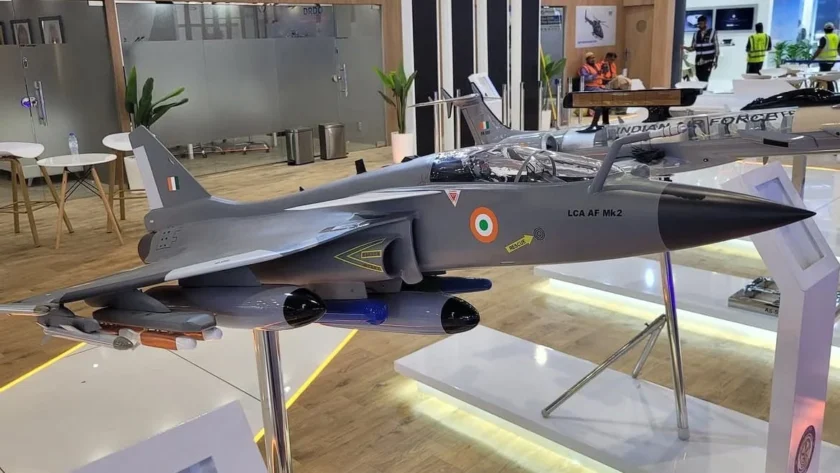
One of the most visible examples is the HAL Tejas Mk1A modernize its frontline fleet with platforms like the Dassault Rafale Ocean Region. The commissioning of the indigenous aircraft carrier INS Vikrant-ship systems. The integration of the supersonic cruise missile BrahMos missile and selective imports. The Arjun tank remote regions.
India’s space agency, Indian Space Research Organisation (ISRO), plays a key role in providing dual-use technologies that strengthen both civilian and defence capabilities.
Strategic Doctrine and Future Outlook
India’s evolving defence doctrine emphasizes speed, precision, and integration. Instead of large-scale conventional mobilization alone, the focus is shifting toward rapid response forces, surgical strike capabilities, and high-tech deterrence.

Joint operations among the Army, Navy, and Air Force are becoming more seamless, supported by integrated command structures and shared digital infrastructure. This ensures faster coordination and better decision-making in real-time combat situations.
Looking ahead, India’s defence modernization will likely prioritize stealth technology, hypersonic weapons, AI-driven warfare systems, and deeper indigenous production. Partnerships with friendly nations for co-development and technology transfer will also play a critical role.
India’s combat capability upgrades represent a broad, multi-dimensional transformation rather than incremental improvement. From indigenous fighter jets and advanced naval carriers to missile systems, drones, cyber warfare, and space-based intelligence, the country is building a modern military structure designed for 21st-century challenges.
The emphasis on self-reliance, technological innovation, and integrated warfare systems signals a clear strategic direction: India is not just modernizing its armed forces—it is redefining how it prepares for future conflicts in an increasingly complex global security environment.







 ---------------------------------------------------------------------------------------------------