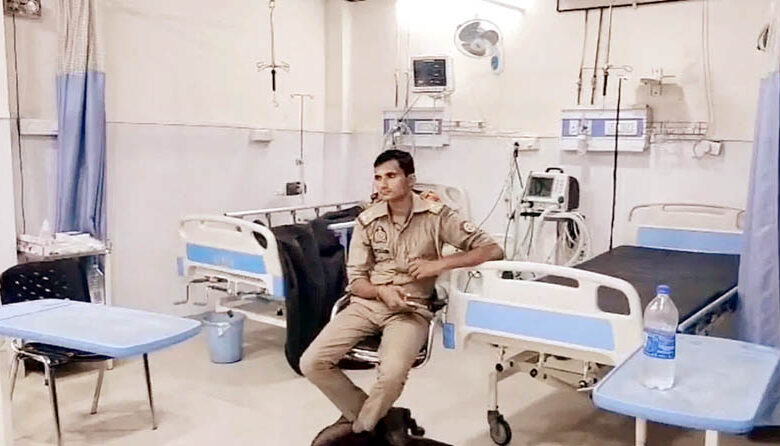
Kanpur: A major illegal organ trafficking network has come under scrutiny in Kanpur after reports of a kidney deal worth ₹60 lakh surfaced, raising serious concerns about the growing black market for organ transplants in India. The case has triggered a joint investigation by police and the health department, with more than 50 hospitals now under the scanner.
Officials revealed that three private hospitals linked to the racket are being probed, including one operating without valid registration. Authorities became aware of the issue only after it came to light publicly, prompting late-night inspections by joint teams of police and health officials. Initial findings suggest that some of these facilities lack even basic surgical infrastructure, yet were allegedly arranging kidney transplants by bringing in outside specialists.

The incident has once again exposed gaps in the regulation of organ transplantation in the country. According to experts from All India Institute of Medical Sciences, the primary reason behind such rackets is the massive gap between demand and supply. Nearly 400,000 patients require kidney transplants each year, while only about 10,000 procedures are carried out annually. The shortage of cadaver donors—organs donated after brain death—continues to fuel illegal trade.
Medical professionals say that despite strict laws, enforcement remains weak. In many cases, unrelated donors are falsely presented as relatives using forged documents, making verification extremely difficult. The problem is further compounded by social and medical constraints, as many family members are either unwilling or unfit to donate.
Investigators believe that in some instances, patients may also be complicit, driven by the urgency of securing a life-saving transplant. Reports suggest that illegal networks charge between ₹40 lakh and ₹70 lakh per kidney, a sharp rise from earlier years when such transactions were conducted for significantly lower amounts. The increasing prices reflect both rising demand and the organized nature of these operations.

Doctors also point to the economic vulnerability of donors. Individuals from financially weaker backgrounds are often lured into selling their organs, sometimes without fully understanding the long-term health consequences. This pattern of exploitation is not limited to India and reflects a broader global trend.
Experts emphasize that increasing awareness and strengthening cadaver organ donation systems is essential to addressing the crisis. Countries such as Spain, known for high organ donation rates, have well-established frameworks and public awareness programs that India currently lacks.
The Kanpur case highlights a larger, increasingly international network of organ trafficking. Investigations by global agencies have revealed links across multiple countries, where brokers connect vulnerable donors with wealthy recipients.
As authorities continue their crackdown, the case underscores the urgent need for stricter oversight of medical institutions, transparent transplant procedures, and stronger enforcement of existing laws. At the same time, experts stress that long-term solutions must focus on building a robust and ethical organ donation ecosystem to curb the growing illegal kidney trade.