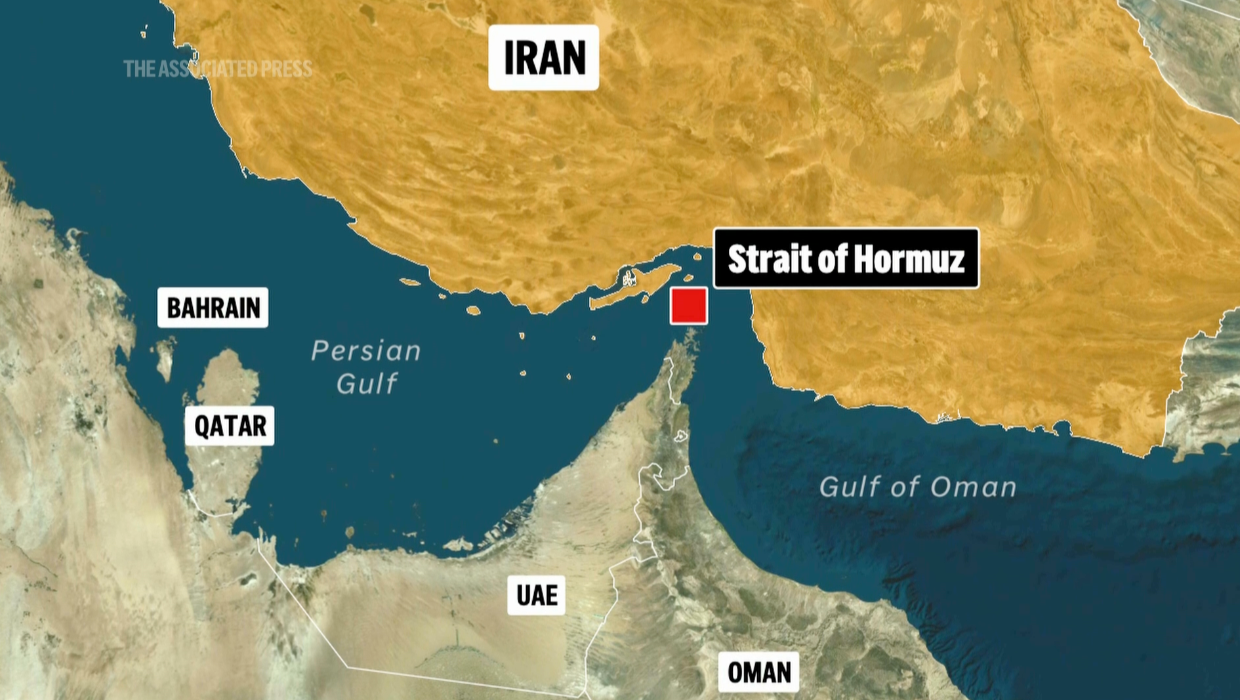
New Delhi: The Strait of Hormuz, a narrow but strategically vital waterway connecting the Persian Gulf to open seas, has become the center of a potential global crisis. Approximately a quarter of the world’s oil and gas shipments pass through this chokepoint, making any attempt to impose fees or restrictions a significant international concern.
Iran’s proposal to levy charges on vessels passing through the strait has sparked widespread debate. While Tehran justifies the move as a measure to ensure maritime security, international law—specifically the United Nations Convention on the Law of the Sea (UNCLOS)—guarantees uninterrupted passage for all countries. Experts warn that unilateral control could disrupt global energy markets, increase transportation costs, and trigger inflation worldwide.

Neighboring Gulf nations, including Saudi Arabia and the UAE, have expressed serious concerns, citing both economic and sovereignty implications. The United States, maintaining a naval presence in the region, is closely monitoring the situation. Analysts emphasize that coordinated diplomacy is crucial to preserve maritime freedom, maintain global trade, and prevent regional escalation from evolving into a wider conflict.

The Hormuz standoff underscores the delicate balance between regional influence and international cooperation, highlighting the critical role of dialogue, diplomacy, and adherence to global rules in preventing global instability.