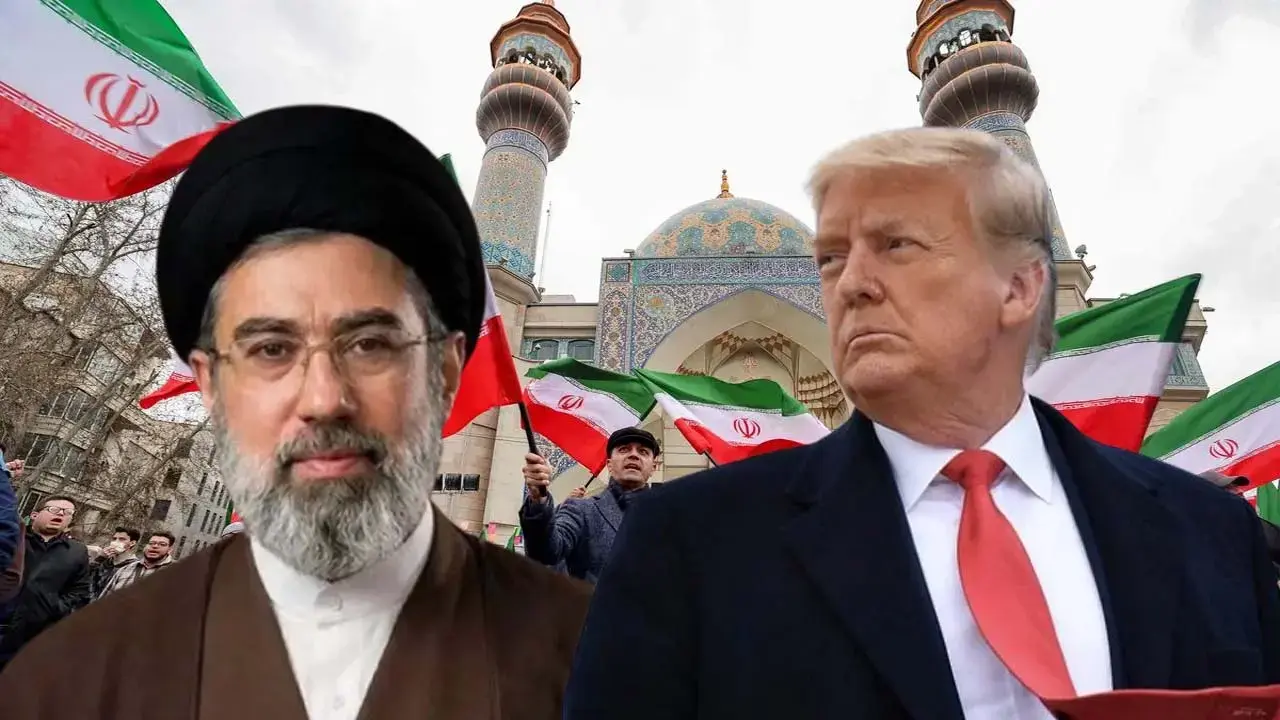
Washington/Tehran: Fresh geopolitical tensions between Iran and the United States have taken a new turn, with conflicting claims over possible ceasefire talks and mounting speculation that the ongoing conflict could end by April 9.
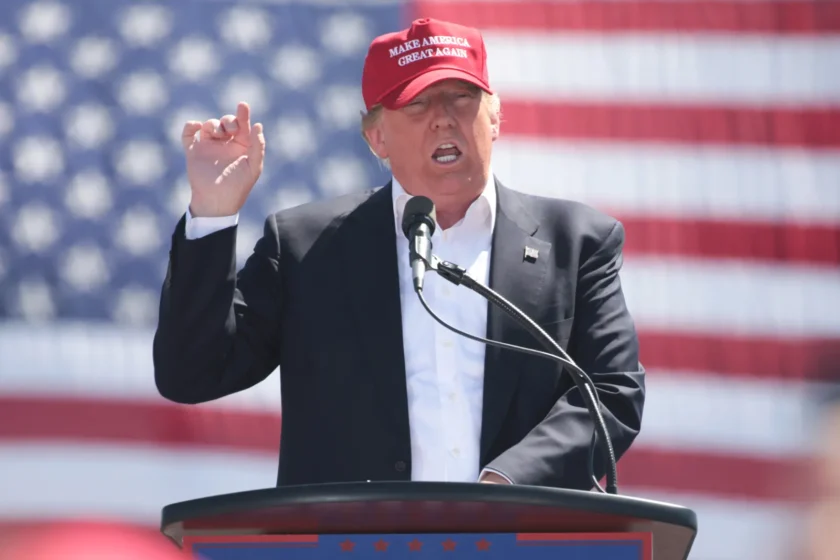
US President Donald Trump has asserted that Iran is willing to end the conflict and that “productive discussions” are underway with senior Iranian leadership. However, Tehran has firmly denied these claims, calling them misleading and accusing Washington of attempting to manipulate global markets through such statements.
Iran’s Two Key Conditions
Iran has indicated that it is open to ending the war—but only under strict conditions. According to senior officials, Tehran demands the complete removal of US-imposed sanctions and full compensation for damages caused during the conflict. Additionally, Iran has sought guarantees against future military or political interference by the US.
Abbas Araghchi reiterated that the conflict was initiated by the United States and that Washington must bear responsibility for its consequences. He emphasized that without compensation, lifting of sanctions, and assurances of non-aggression, Iran would not accept any ceasefire.
US Response and Diplomatic Silence
While President Trump hinted at ongoing negotiations with a “top and respected” Iranian figure, he declined to reveal details. The White House has maintained a cautious stance, refusing to comment on reports of possible backchannel talks or meetings involving senior US officials in Islamabad.
White House Press Secretary Karoline Leavitt described the situation as “evolving” and declined to confirm speculation about diplomatic engagements, stating that sensitive discussions would not be conducted through the media.
April 9 Timeline: Reality or Speculation?
Adding to the intrigue, Israeli media reports have suggested that the US is aiming to end the conflict by April 9. While no official confirmation has been provided, such a timeline has fueled speculation about intensified diplomatic efforts in the coming days.

Reports also indicate that potential talks between the two sides could take place in Islamabad, though both countries have publicly downplayed direct negotiations.
Strategic and Global Implications
The conflict, which began on February 28, has already had significant global repercussions. Rising tensions have impacted energy markets, particularly through concerns around the Strait of Hormuz—a critical route for nearly 20% of global oil and LNG supply.
Earlier, the US had warned Iran to keep the strategic waterway open, while Tehran threatened retaliation targeting regional infrastructure if provoked.
Meanwhile, Israel continues its military operations against Iran, with officials indicating that actions may persist through early April, coinciding with the Jewish festival of Passover.
Uncertain Path Ahead
Despite signals from Washington suggesting openness to de-escalation, Iran’s firm stance on sanctions relief and reparations presents a significant hurdle. Analysts believe that unless both sides show flexibility, a quick resolution remains unlikely.
As diplomatic efforts intensify and global attention sharpens, the coming weeks will be crucial in determining whether the conflict moves toward a ceasefire—or further escalation.