Lucknow: The festival of colours, Holi, takes on a distinctive cultural character in the historic city of Lucknow, where the celebrations of the Kayastha community have long been regarded as a defining feature of the city’s festive traditions.
While Holi across India is known for colours, music and merriment, in Lucknow the festival reflects a deeper social and cultural rhythm that begins days before the main celebrations. With the onset of the Holi period, neighbourhoods across the city begin to buzz with preparations, gatherings and traditional feasts.
Historians and cultural observers note that the Kayastha community has played a significant role in preserving the unique spirit of Lucknow’s Holi. Their celebrations go beyond the customary playing of colours and include elaborate culinary traditions that form an integral part of the festivities. Traditional dishes such as mutton preparations, keema, kaleji and other delicacies are commonly prepared in Kayastha households, reflecting a long-standing cultural preference for elaborate festive meals.
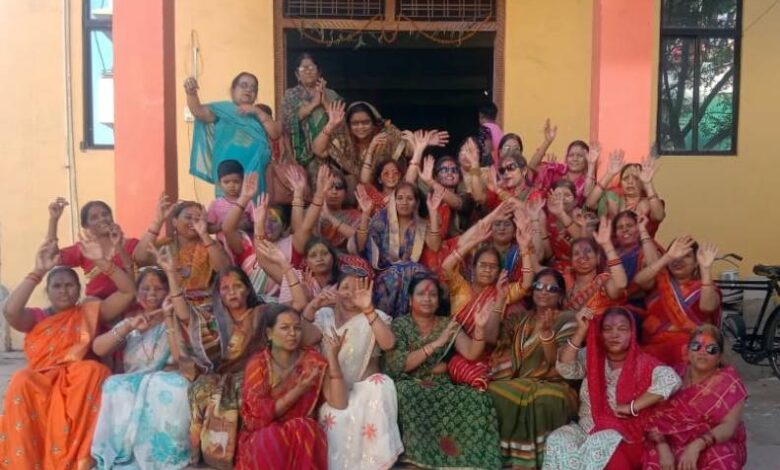
In older localities such as Mashakganj, Nawabganj, Babu Ganj, Naubasta and Rakabganj, Holi has historically been marked by vibrant gatherings where families and friends come together to share food, exchange greetings and celebrate the festival in an atmosphere of warmth and hospitality.
Another distinctive feature of Kayastha Holi has been its emphasis on refinement and etiquette, often associated with Lucknow’s celebrated culture of tehzeeb. Even during festive revelry, celebrations traditionally maintained a sense of grace, with participants preferring clean attire, fragrant colours and the use of traditional perfumes mixed with abir and gulal.

Women in Kayastha households have historically played a central role in the celebrations, particularly in preparing elaborate meals using traditional cooking methods that once involved clay stoves, hand-ground spices and hours of meticulous preparation.
Although modern lifestyles, apartment living and contemporary celebrations have altered many traditional practices, cultural observers believe that the essence of Kayastha Holi continues to survive in the old neighbourhoods of the city.
Even today, the fragrance of traditional dishes, the aroma of ittar in colours and the spirit of hospitality continue to make Lucknow’s Kayastha Holi a unique cultural experience—one that locals often say is not just seen, but also tasted.