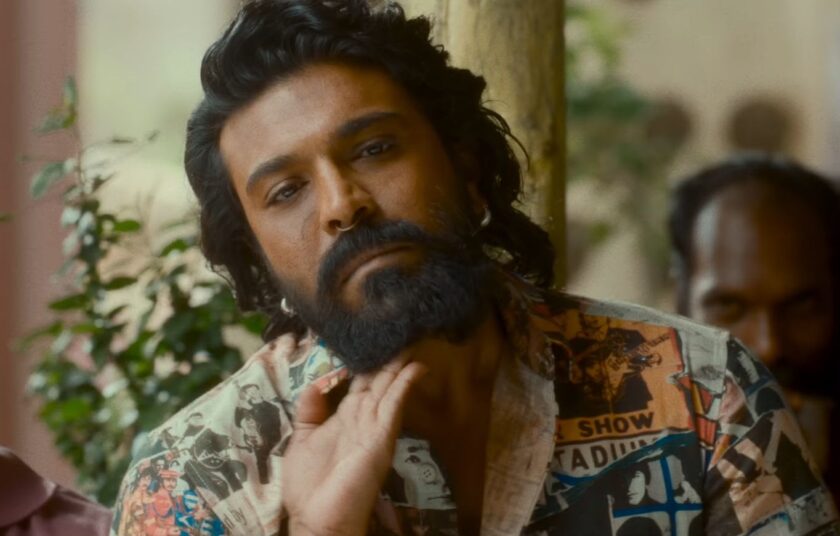
Mumbai: Instagram is evolving. From posts to reels, it has laid the foundation of a professional ecosystem for the creator community. With creators now offering paid subscriptions to view their content, actor Sunil Sharma, who was seen as Shaukat in the Dhurandhar duology, believes this transition reflects a broader structural change rather than a passing trend.
He said, “It’s a natural evolution, not a gimmick. Instagram has shifted from a free content + ads platform to a creator-driven economy, where creators are expected to monetize directly. With millions of creators already earning recurring income through subscriptions, it’s clear this isn’t a fringe trend anymore. But here’s the reality: subscriptions work best as a layer, not the whole business. Even industry analysis suggests Instagram alone shouldn’t be your entire income source because you don’t fully control your audience or platform rules.”
He feels two big factors have contributed to this and said, “Instability of traditional income
Instagram is phasing out or reducing bonuses (like Reels payouts), which means creators can’t rely on platform payouts anymore and desire predictable income. Subscriptions give monthly recurring revenue, more control vs. algorithm-driven reach, and direct connection with loyal followers. Also, the creator economy is booming (tens of billions in revenue), and platforms are pushing multiple monetization streams, including subscriptions, brand deals, and affiliate income.”
However, Sunil stressed that not all content deserves to sit behind a paywall. According to him, the key lies in whether the content delivers real value, exclusivity, or a deeper connection.
He said, “Not everything deserves to be paid—and that’s where many creators get it wrong.
Content that does justify a subscription usually has high value or transformation; skill-based content (acting tips, fitness plans, editing tutorials); career insights or mentorship; niche expertise; behind-the-scenes (especially for actors/creators); private live sessions; Q&A or direct interaction; and early access or unreleased content. Also, people don’t just pay for content—they pay for proximity.”

The fairness of charging audiences for content on a platform traditionally built on free access is often debated. For him, the answer depends entirely on the clarity of value being offered.
He said, “It should happen only under one condition: clear value exchange. Instagram was free because users paid with attention and creators earned via ads/brand deals. Now the model is shifting to direct support similar to YouTube memberships. But fairness depends on transparency (What am I paying for?) and consistency (regular exclusive content).”
Sunil feels that followers are becoming more selective in where they invest their attention and money. He said, “They’re more selective, not resistant. There’s also a growing mindset that I’ll only subscribe if it’s truly worth it. People are used to paying for Netflix and Spotify, so paying creators isn’t strange anymore. But the bar is higher: value must be obvious.”