Tehran: The meaning of power in international politics has never been static. Throughout history, the markers of influence have evolved—from vast armies and territorial expansion to industrial might, economic dominance and, later, nuclear deterrence. During the Cold War, nuclear weapons became the ultimate symbol of sovereignty and strategic influence. Nations possessing atomic capabilities were widely seen as the primary architects of the global order.
The 21st century, however, has reshaped these assumptions. Today, power is no longer defined solely by military strength or economic size. Global trade networks, energy corridors, technology supply chains and critical maritime routes have emerged as equally significant instruments of influence. Recent tensions involving Iran and the strategic Strait of Hormuz have once again highlighted how geography itself can become a powerful geopolitical asset.

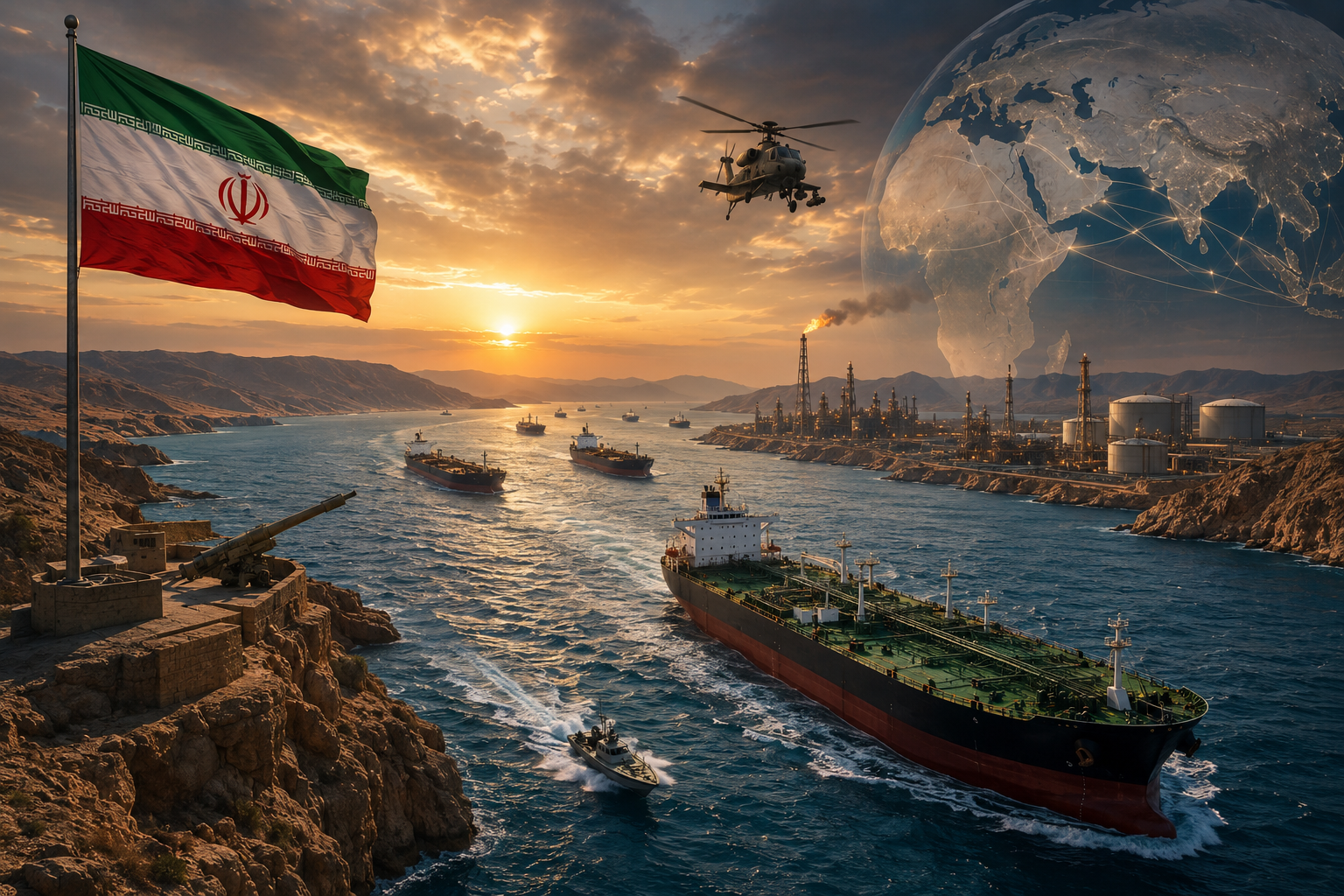
The Strait of Hormuz is among the world’s most critical maritime chokepoints. Connecting the Persian Gulf with the Arabian Sea and the Indian Ocean, the narrow waterway serves as a vital gateway for energy exports from major oil-producing nations, including Saudi Arabia, Iraq, Kuwait, Qatar, Bahrain and the United Arab Emirates. Roughly one-fifth of the world’s crude oil supply passes through this route every day, while a substantial share of global liquefied natural gas shipments also depends on it.
Its significance extends far beyond regional boundaries. Any disruption, real or perceived, can trigger immediate consequences for energy markets, shipping costs, industrial production and consumer prices across continents. In many ways, Hormuz is not merely a maritime passage—it is one of the central arteries of the global economy.
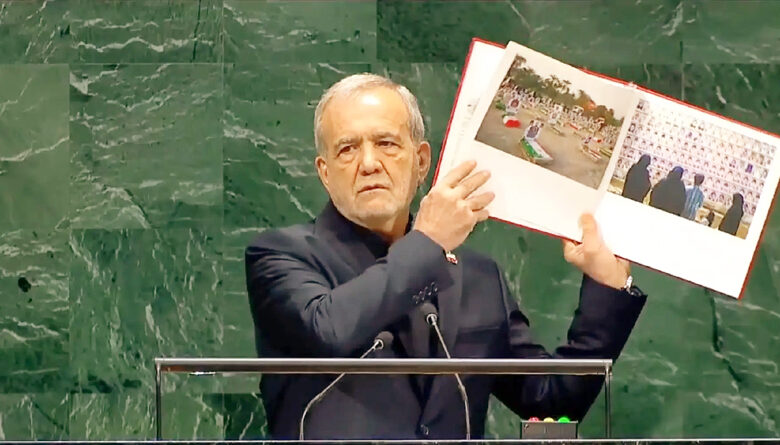
Iran’s geographical position gives it considerable strategic leverage over this crucial corridor. Situated along the northern coast of the strait, Tehran has long viewed its location as a major source of geopolitical influence. Whenever faced with sanctions, diplomatic isolation or security pressures, Iran has repeatedly signalled its ability to affect maritime traffic through the region.
Whether such threats are acted upon or remain largely rhetorical, they carry substantial weight in international calculations. The message is clear: in a deeply interconnected world, geography can be as influential as military hardware. A nation controlling or influencing a critical trade route can exert outsized influence on global affairs, even if its economic or military capabilities are comparatively limited.
This reality challenges traditional assumptions about power politics. For decades, it was widely believed that countries with overwhelming military superiority could dictate outcomes during regional crises. Hormuz demonstrates that geography often imposes constraints that even powerful states cannot ignore. Any escalation in the region carries consequences that extend far beyond local rivalries, affecting global markets and strategic stability.
As a result, diplomacy, negotiation and regional balance frequently become more effective tools than military action. Even the most powerful nations must weigh the economic costs of disruption before pursuing confrontational strategies.
The situation also brings renewed attention to the issue of energy security. Modern economies rely heavily on uninterrupted access to energy resources. Manufacturing, transportation, communications and agriculture all depend on stable supplies of oil and gas. Consequently, even a modest increase in uncertainty around a major energy route can send shockwaves through international markets.

The implications are not limited to energy-producing countries. Nations such as India, Japan, South Korea and many European economies remain heavily dependent on imports that travel through the Gulf region. Any disruption in Hormuz could affect fuel prices, inflation and economic growth far beyond West Asia. This shared vulnerability explains why maintaining freedom of navigation in the strait remains a priority for governments around the world.
At a broader level, Iran’s strategy illustrates how geopolitical competition is evolving. Future rivalries may be less about accumulating weapons and more about controlling strategic locations, resources and supply chains that underpin the global economy. Such locations are commonly referred to as “chokepoints”—critical nodes through which trade, energy or communications flow.
Hormuz is only one example. The Strait of Malacca remains indispensable to trade between East Asia and the Indian Ocean, carrying a significant share of global maritime commerce. The Bab-el-Mandeb Strait links the Red Sea to the Arabian Sea and is vital for trade between Europe and Asia. Likewise, the Suez Canal continues to serve as one of the world’s most important transportation corridors. Disruptions at any of these locations can have global repercussions.
Strategists increasingly warn that the success of leveraging such chokepoints may encourage other regional powers to adopt similar approaches. If critical trade routes become instruments of political pressure, global commerce could become more volatile and unpredictable. Such developments would raise costs, increase uncertainty and potentially weaken international economic integration.
At the same time, new forms of dependence are emerging. Countries seeking to reduce reliance on fossil fuels are investing heavily in renewable energy technologies, advanced batteries and critical minerals. This transition could shift geopolitical influence toward nations that dominate supply chains for rare earth elements, clean-energy infrastructure and advanced manufacturing technologies. In other words, one form of dependency may simply be replaced by another.
These developments also challenge traditional ideas of globalization. The assumption that goods, capital and services can move freely across borders becomes harder to sustain when strategic routes and supply chains are increasingly viewed through a geopolitical lens. Governments and businesses are already investing in alternative transport corridors, diversified sourcing strategies and larger reserves to reduce vulnerability. While these measures may enhance resilience, they often come at a higher economic cost.
Iran argues that its actions are aimed at safeguarding national sovereignty and security interests. Critics, however, contend that leveraging critical trade routes risks undermining global stability. Balancing these competing perspectives will require sustained diplomatic engagement rather than reliance on sanctions or military pressure alone.
Ultimately, the story of Iran and the Strait of Hormuz reflects a larger transformation in world politics. In the 21st century, power is becoming increasingly multidimensional. Geography, strategic waterways, energy networks, technological supply chains and resource control are now as important as conventional military capabilities. The future international order is likely to be shaped not only by armies and economies, but also by the routes, resources and connections that keep the world running.