Lucknow: The festive spirit of Durga Puja has transformed Lucknow into a ‘Mini Bengal’, with elaborately designed pandals celebrating everything from Ayodhya’s Ram Temple and the legacy of legendary Bengali actor Uttam Kumar to Kolkata’s iconic Durga Puja, rural Bengal and traditional idol decorations.
The city’s century-old Bengali Club and Young Men’s Association have dedicated their celebrations to Uttam Kumar, while the Jogendra Pathak Road Puja Committee is recreating the atmosphere of Kolkata’s celebrated Durga Puja. Other organisers are showcasing Bengal’s cultural heritage through distinctive themes, traditional craftsmanship and contemporary attractions for younger visitors.

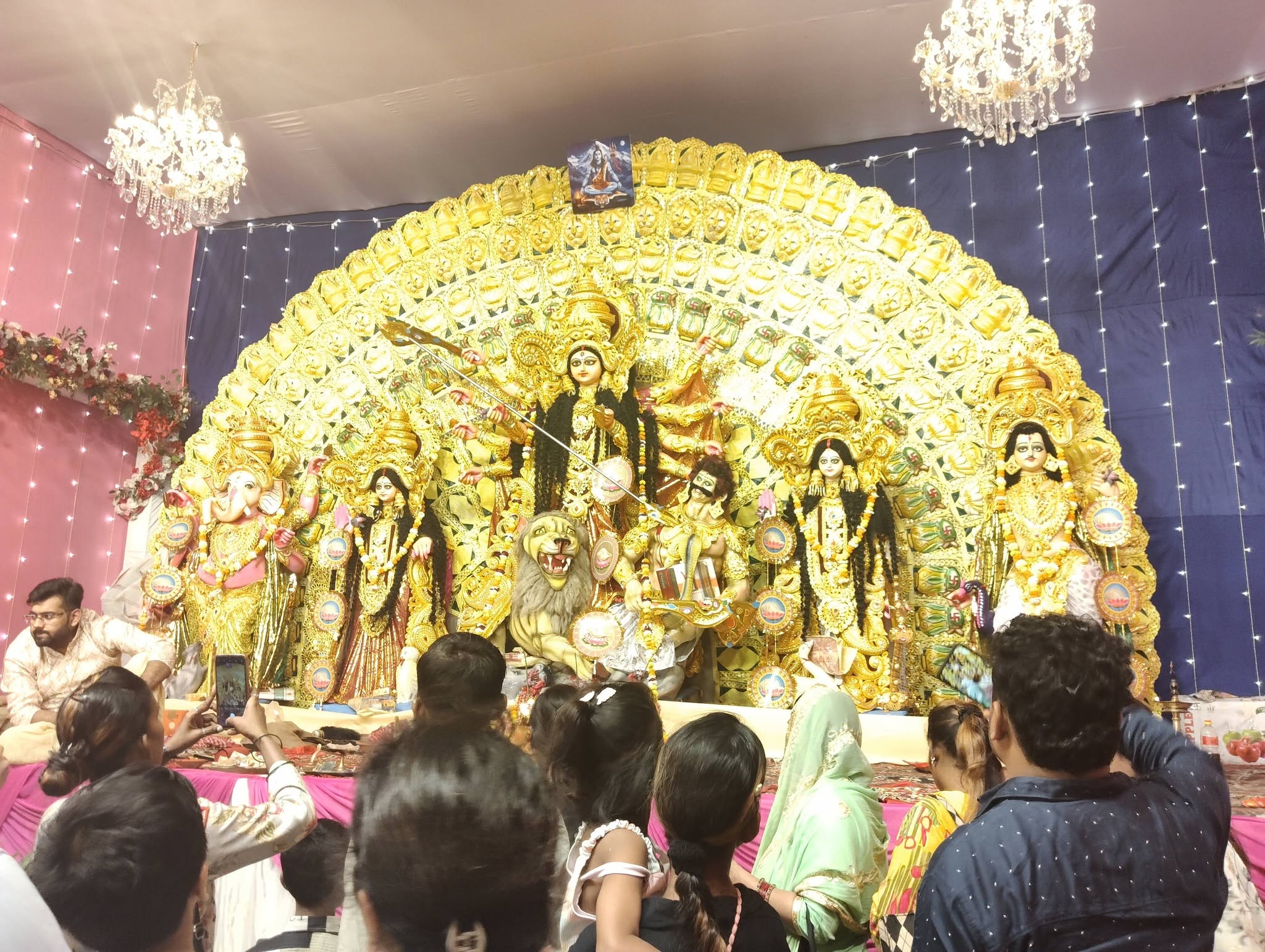
Arun Banerjee, president of the Bengali Club and Young Men’s Association, said 2026 marks the birth centenary of Uttam Kumar, born Arun Kumar Chattopadhyay. The club is paying tribute to the actor, widely celebrated as Mahanayak in Bengal, through a pandal decorated with his posters. Popular songs featuring Uttam Kumar and his contemporary actresses, including Suchitra Sen, are also being played at the venue.
The club has additionally organised a traditional Bengali attire competition, inviting men to wear dhotis and women to dress in sarees. The top three participants will receive cash prizes.
Kolkata’s Heritage and Rural Bengal on Display
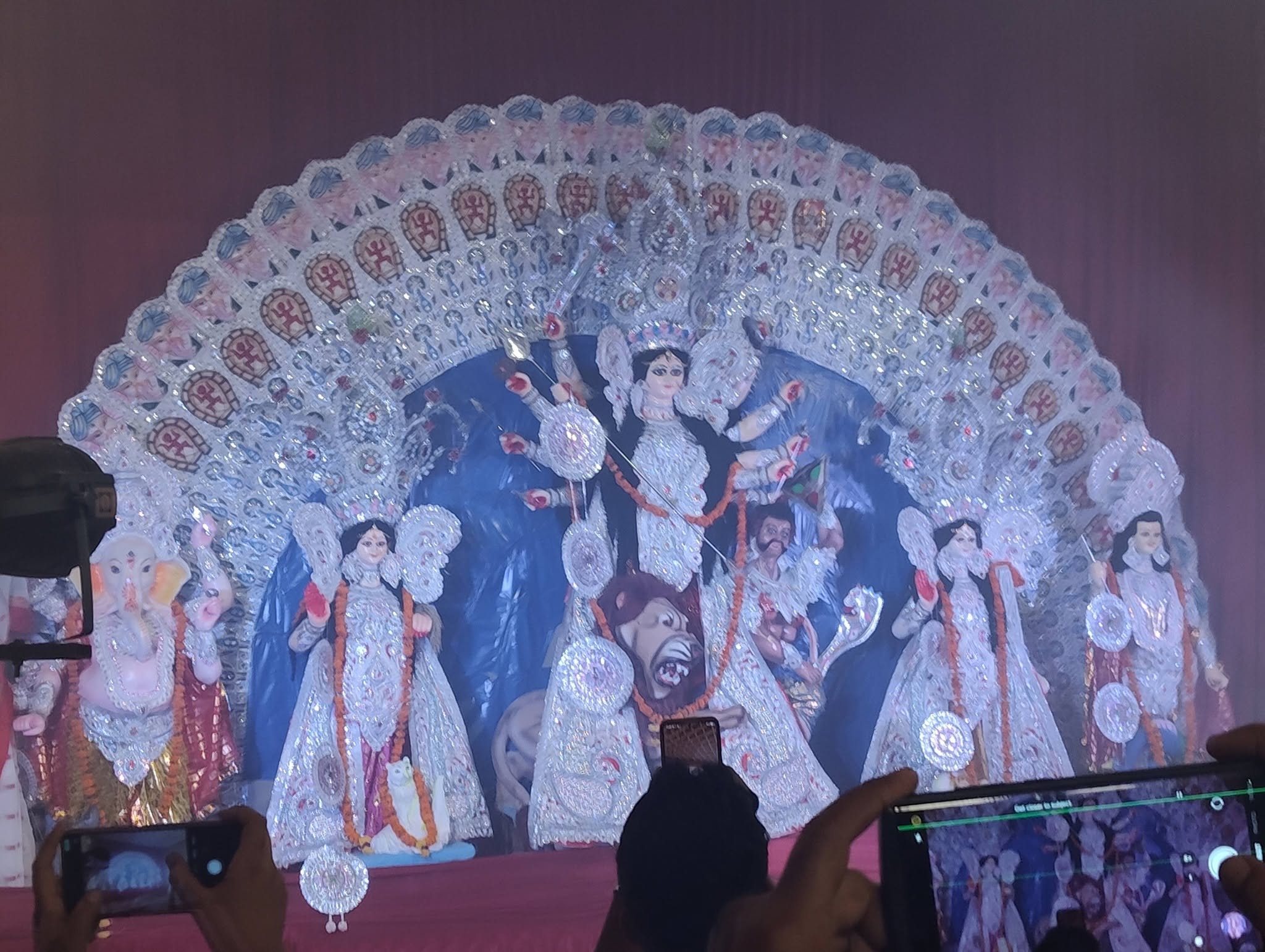
The Jogendra Pathak Road Puja Committee has based its pandal on the traditional Durga Puja celebrations of Kolkata. Committee office-bearer Siddhartha Sanyal explained that the design draws inspiration from bonedi bari, the ancestral mansions of Bengal’s former landed families.
These mansions traditionally feature open courtyards known as thakur dalans, where religious ceremonies are conducted. The Lucknow pandal recreates this setting with printed vinyl panels depicting landmarks and cultural symbols associated with Kolkata, including the Howrah Bridge, Rabindranath Tagore and the hilsa fish.
Sanyal also highlighted the international recognition of Kolkata’s Durga Puja. On December 15, 2021, UNESCO inscribed the festival on its Representative List of the Intangible Cultural Heritage of Humanity, recognising its cultural significance.
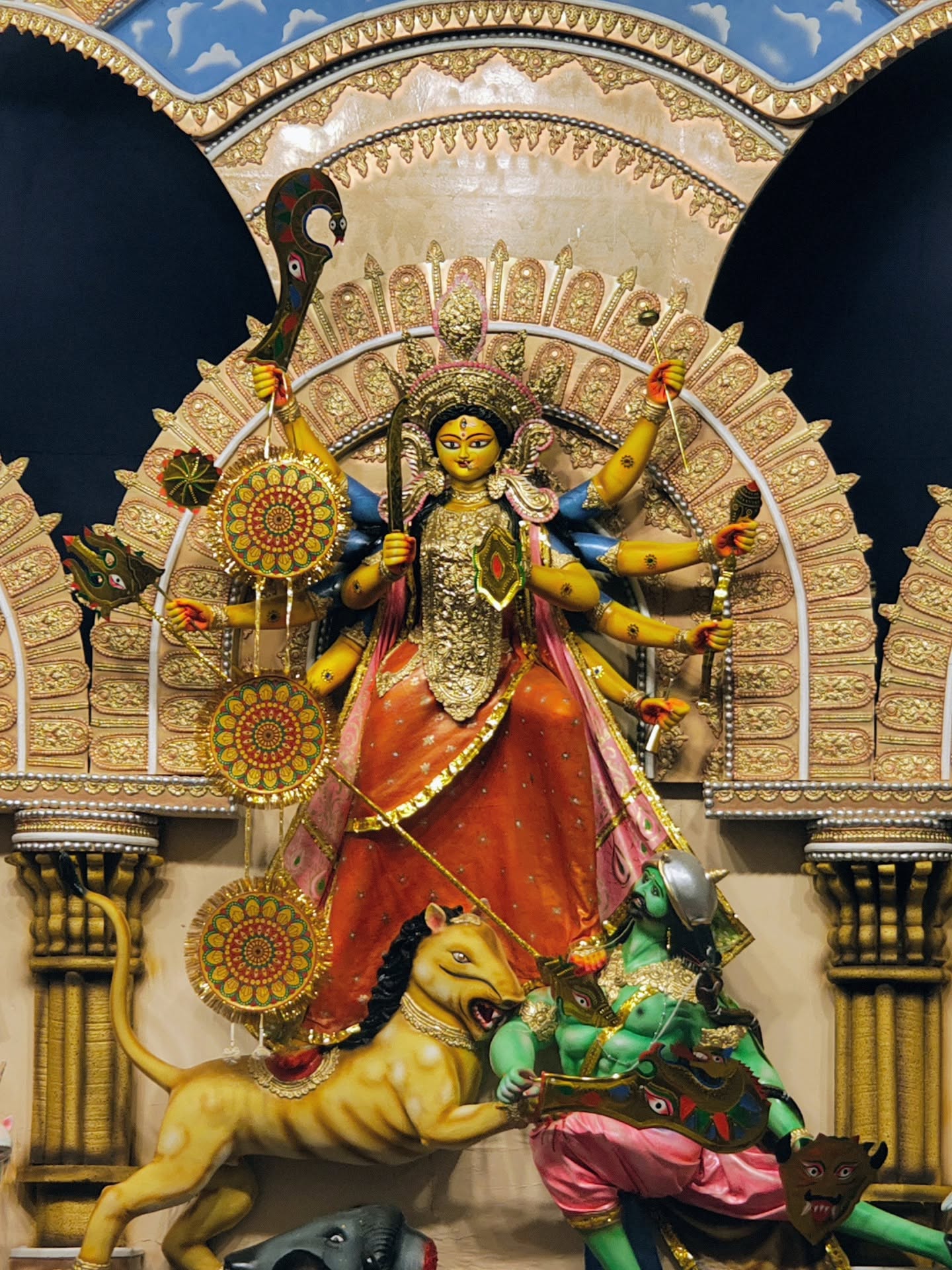
The Rabindrapalli Durga Puja Committee has chosen Chirantan Bangla, meaning eternal Bengal, as its theme this year. According to former committee president Mihir Banerjee, skilled artisans from Kolkata have created a distinctive pandal that offers visitors a glimpse of rural Bengal and its cultural traditions.


Traditional ‘Daker Saaj’ Highlights Trans-Gomti Celebrations
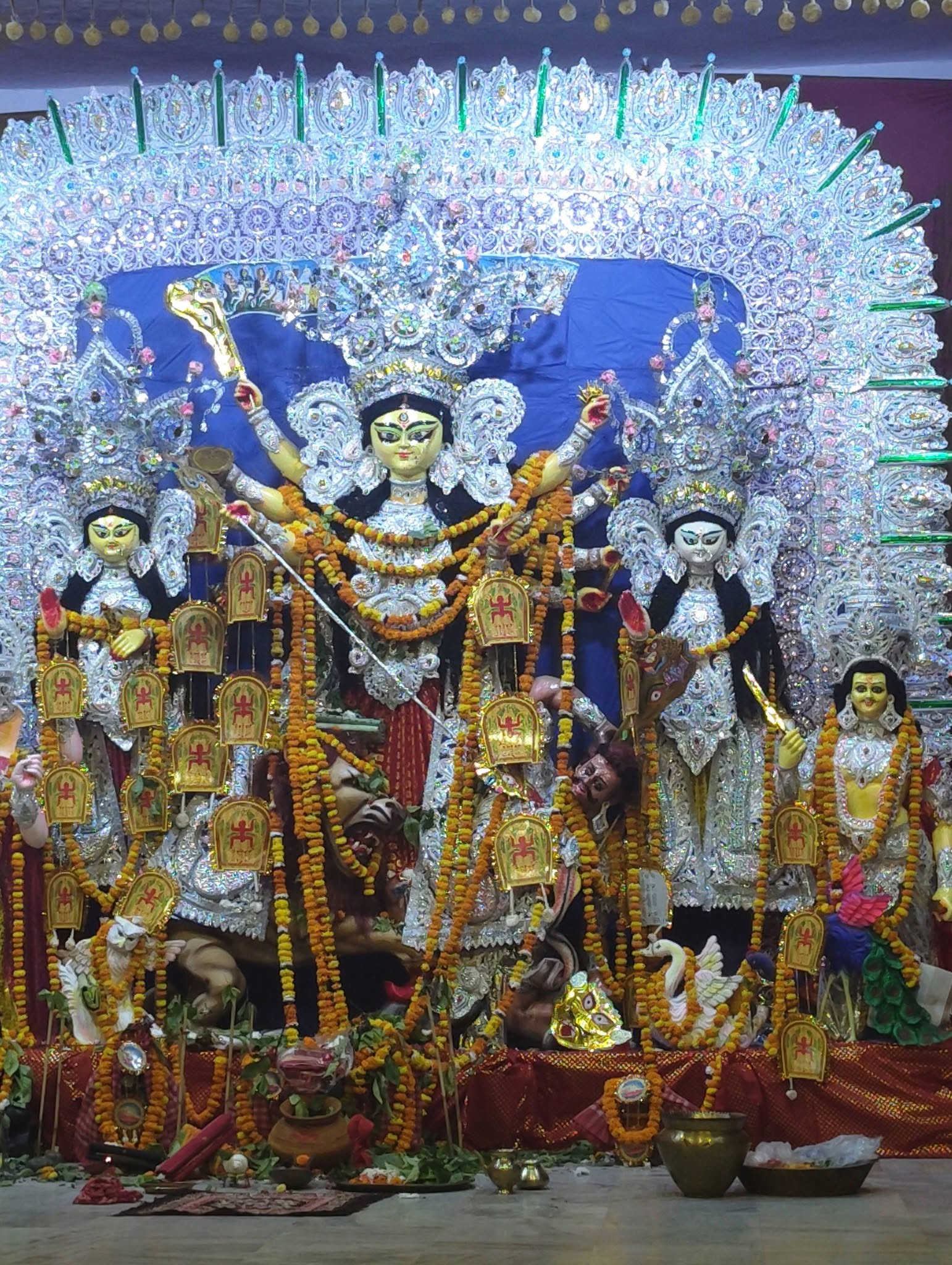
The Trans-Gomti Durga Puja Committee is showcasing Daker Saaj, a traditional style of decorating idols of Goddess Durga and her divine family. Known for its shimmering, silver-toned embellishments, the art form reflects Bengal’s distinctive craftsmanship and devotional aesthetics.
Committee general secretary Jayanto Sarkar described the decoration as an offering of love and devotion to the Goddess. He said its significance extended beyond visual beauty, representing shared memories, inherited traditions and the emotional bonds that bring the community together through faith.
Selfie Zones Aim to Attract Gen Z
Organisers are also adapting their celebrations to appeal to younger generations. The Cantonment Puja and Seva Samiti has created dedicated selfie points within its pandal premises on Usman Road, hoping to draw young visitors, particularly members of Generation Z.
Media secretary Nihar Ranjan De said the younger generation spends considerable time on the internet and social media. The selfie zones are intended to encourage them to visit the pandal, connect with the festivities and seek the blessings of Goddess Durga.
Meanwhile, the Mitro Sangho (Model House Park) Puja Committee has designed its pandal to resemble the Akshardham Temple in Gandhinagar, adding another architectural attraction to the city’s celebrations.
Ayodhya’s Ram Temple Inspires a Jankipuram Pandal
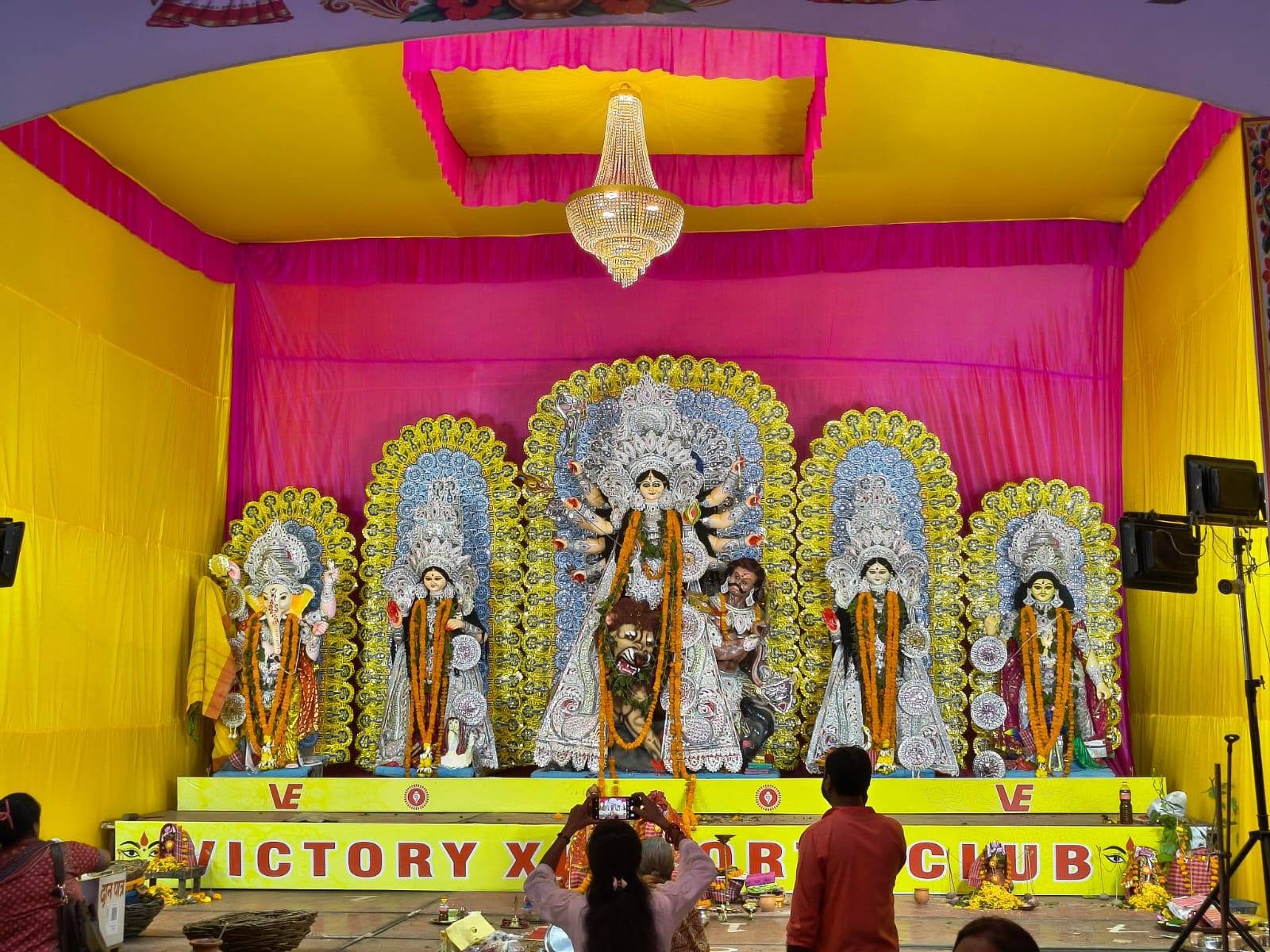
One of the prominent attractions is the Durga Puja pandal in Pocket-E, Jankipuram, modelled on the Ram Temple in Ayodhya. The installation also incorporates representations of Ram Path and Lata Mangeshkar Chowk, two notable features of Ayodhya’s evolving urban landscape.
For some visitors, the recreation has become an opportunity to discover a destination they have yet to visit. Mamta Shah, a homemaker from Lucknow’s old city, said she had not visited the Ram Temple in Ayodhya but was inspired by the pandal to plan a trip to the holy city.
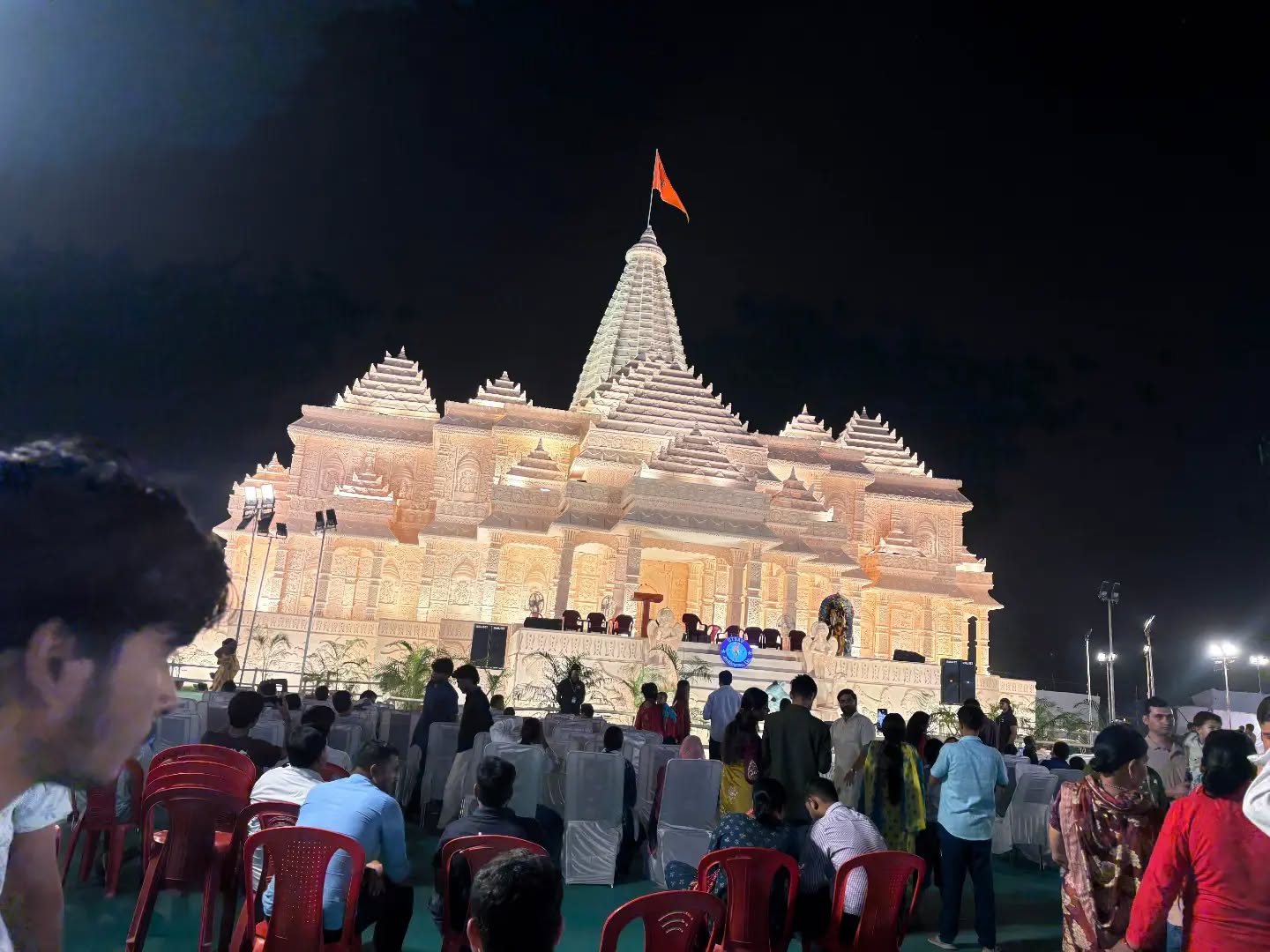
From Bengal’s traditional courtyards and rural heritage to cinematic nostalgia, classical idol decoration and contemporary architectural recreations, Lucknow’s Durga Puja celebrations are bringing together diverse cultural influences. The themed pandals offer residents and visitors an opportunity to experience Bengal’s rich traditions while celebrating the festival’s enduring spirit of devotion and community.












 https://www.youtube.com/watch?si=RtToJsBhYBatUrym&v=mOuYNSdhjHA&feature=youtu.be