Dublin/Washington: Microsoft Vice Chair and President Brad Smith has cautioned that stricter US immigration policies could discourage highly skilled technology professionals from pursuing careers in the country, potentially affecting its long-term leadership in artificial intelligence and software development.
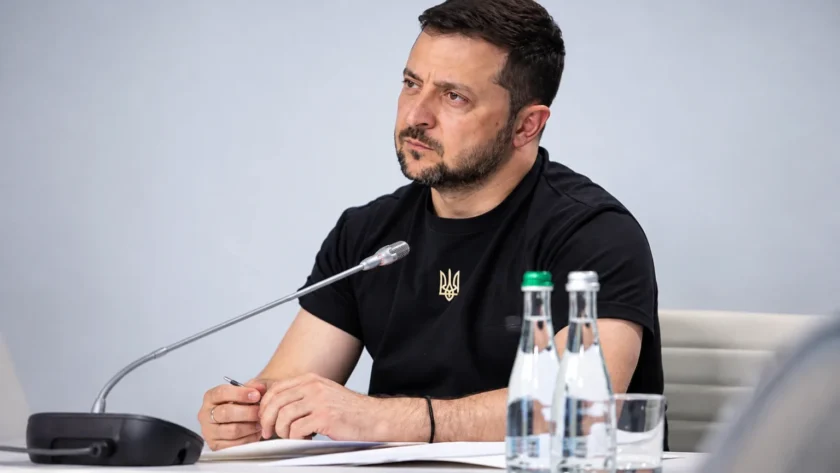
Speaking to POLITICO on the sidelines of the International AI Summit in Dublin, Ireland, Smith raised concerns about restrictions affecting green card applications for skilled foreign employees at Microsoft and seven other companies. The restrictions followed allegations of visa fraud, which Smith strongly disputed in Microsoft’s case.

Smith said many of the company’s green card applications involve employees who have already worked at Microsoft for years. He attributed the applications to lengthy backlogs in the permanent residency process and argued that policymakers should distinguish between retaining existing employees and recruiting new workers.
He warned that restrictive immigration signals could encourage engineers and AI specialists to consider opportunities in competing technology hubs overseas, potentially weakening America’s ability to attract global talent.
Smith also rejected claims that Microsoft pays foreign-born employees less than American colleagues performing comparable work. He maintained that the company follows the same compensation framework for employees regardless of their nationality or visa status.

Defending Microsoft’s domestic recruitment record, Smith said the company hired more than 9,000 US-born employees last year. Microsoft also stated that of approximately 6,000 H-1B applications submitted during the previous fiscal year, around 80 per cent were intended to extend or change the status of existing employees.
Smith highlighted the contribution of immigrants to American scientific and technological progress, arguing that international expertise has helped drive innovation and improve living standards.
While criticising the immigration restrictions, he expressed support for certain measures aimed at addressing AI safety concerns.
His remarks underline the challenge facing US policymakers as they seek to enforce immigration rules while preserving the country’s ability to attract specialised talent amid intensifying global competition in artificial intelligence.