New Delhi: The Indian Air Force (IAF) has initiated a major effort to modernise its advanced fighter-pilot training fleet, seeking information from Indian and international aerospace manufacturers for approximately 150 Stage-III jet trainers.
The Ministry of Defence has issued a Request for Information (RFI) to assess available aircraft, technologies and potential suppliers for the programme. The proposed acquisition is intended to eventually replace the BAE Hawk Mk-132 fleet, which has been a key component of the IAF’s advanced pilot-training programme since its induction in 2008.

The proposed programme is expected to strengthen the final stage of training before pilots transition to operational fighter squadrons.
Advanced Training for a New Generation of Fighter Pilots
The Stage-III trainers are expected to prepare pilots for the increasingly sophisticated aircraft and combat systems entering India’s frontline fleet, including the Rafale, Tejas Mk-1A and Su-30MKI, while also providing a training pathway for future platforms such as the Advanced Medium Combat Aircraft (AMCA).
The RFI seeks aircraft capable of closely replicating the operational environment faced by fighter pilots. Among the requirements are fly-by-wire flight controls, glass cockpits and zero-zero ejection seats.
The proposed trainers are also expected to incorporate embedded virtual avionics and electronic warfare capabilities, along with compatibility with India’s NavIC satellite-navigation system.
Another significant requirement is integration with a 360-degree dome simulator through a Live-Virtual-Constructive training environment. Such systems can allow pilots to train for complex scenarios, including beyond-visual-range engagements and radar operations, while airborne.
Push for Indigenous Manufacturing
The programme is also expected to support India’s broader effort to expand domestic aerospace manufacturing.
The procurement framework places emphasis on Indian production, technology transfer and integration of domestic suppliers. Foreign manufacturers seeking to participate would therefore need to demonstrate credible plans for manufacturing aircraft and components in India rather than relying solely on direct imports.
Such an approach could contribute to the development of India’s capabilities in avionics, aircraft maintenance, component manufacturing and aerospace supply chains.

Potential Contenders
Several Indian and international aircraft could potentially emerge as contenders, depending on their compliance with the IAF’s final technical and procurement requirements.
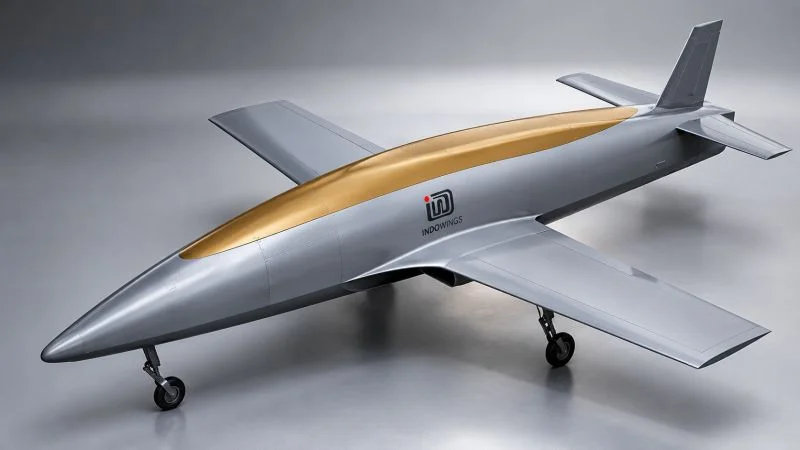
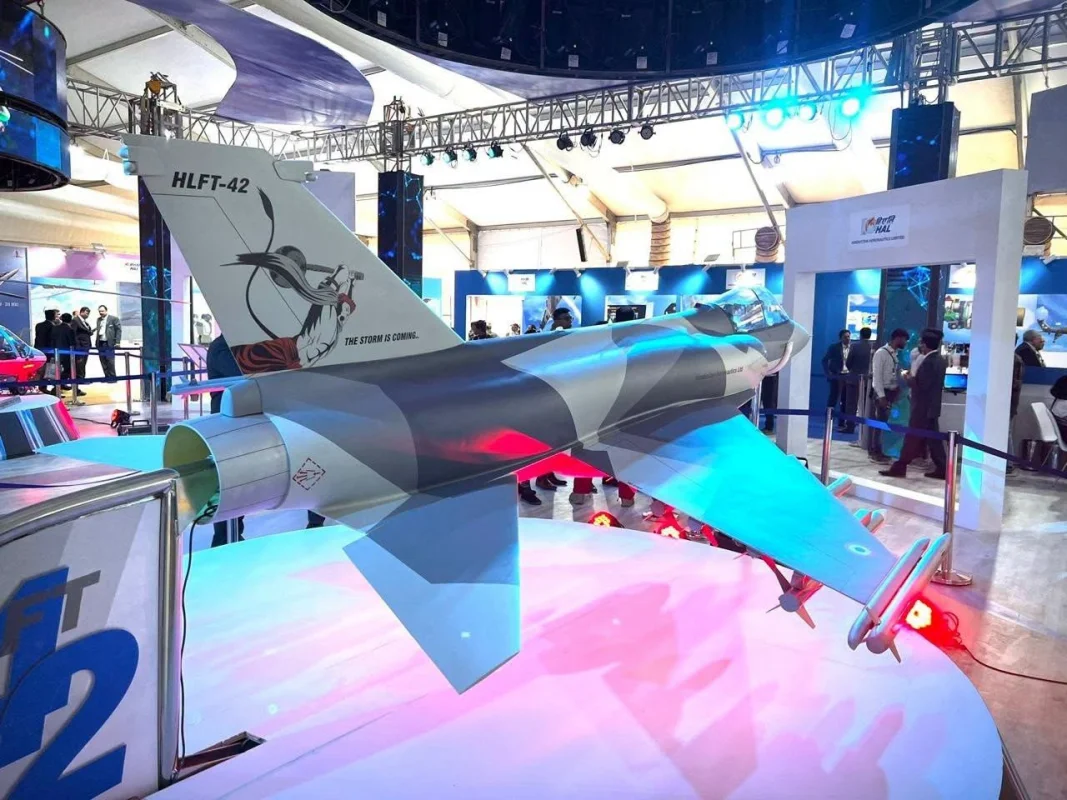
HAL HLFT-42: Hindustan Aeronautics Limited’s proposed Hindustan Lead-in Fighter Trainer is expected to be a major Indian contender. The supersonic trainer concept, showcased at Aero India 2023, has been conceived to provide advanced pilot training while incorporating capabilities associated with modern combat aircraft.
Boeing-Saab T-7 Red Hawk: The US-Swedish advanced trainer has been developed specifically for modern fighter-pilot training and is designed around digital systems and advanced simulation capabilities.
KAI T-50 Golden Eagle: South Korea’s T-50 is another established supersonic advanced trainer with extensive experience in fighter-oriented pilot training.
Other aircraft that could potentially be considered include Italy’s Leonardo M-346 Master and Russia’s Yakovlev Yak-130, subject to the IAF’s technical, operational and procurement requirements.
RFI Response Deadline Set for October 2026
Manufacturers have been given until October 5, 2026, to submit responses to the RFI. The information gathered through the market survey will help the IAF refine its technical specifications and shape the subsequent procurement process.
The service is expected to work towards issuing a formal Request for Proposal by December 2027, followed by evaluation and aircraft trials.
Under the proposed timeline, deliveries of the selected aircraft would begin within 60 months of contract signing.
The programme is likely to take several years before the new trainers enter operational service. However, beginning the procurement process now is intended to ensure that the IAF maintains a modern advanced-training ecosystem capable of preparing pilots for an increasingly complex fighter fleet.