New Delhi: Europe, long associated with snow-capped mountains, mild summers, and cool breezes, is now experiencing an unprecedented climate crisis. Countries that rarely needed fans or air conditioners are witnessing temperatures soaring beyond 45°C. Roads are buckling under extreme heat, rivers are shrinking, forests are burning, and thousands of lives are being threatened by prolonged heatwaves.
While many Indians may wonder why temperatures that are common in parts of India are causing such alarm in Europe, the answer lies in infrastructure and preparedness. European homes were designed to retain heat during cold winters, not to withstand intense summer temperatures. As a result, many buildings have turned into heat traps. With only a small portion of households equipped with air conditioning, the continent is struggling to cope with rapidly changing climate conditions.

However, Europe’s heat emergency is not merely a regional problem. It serves as a stark warning for the entire world, particularly for India, where the effects of climate change are already becoming increasingly visible.
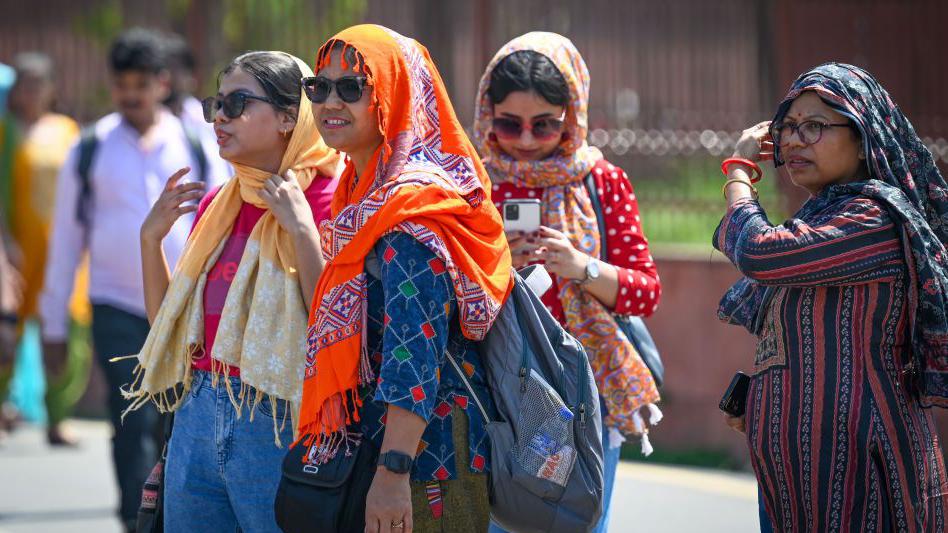
India has faced a series of severe heatwaves in recent years. In 2024, the country experienced one of its longest and most intense heatwave seasons on record. Temperatures in dozens of cities crossed the 45°C mark, with some regions approaching 50°C. Tens of thousands of people suffered heat-related illnesses, while many lost their lives due to extreme weather conditions.
Experts warn that a single prolonged heatwave can lead to thousands of additional deaths, both directly and indirectly. Beyond the human cost, extreme heat reduces productivity, disrupts economic activity, and inflicts billions of dollars in losses on the economy.
Rethinking Urban Development
One of the most important lessons from Europe’s crisis concerns urban planning. Indian cities are increasingly dominated by concrete structures, while green spaces, trees, ponds, and lakes continue to disappear in the name of development. Concrete absorbs heat during the day and releases it at night, creating “urban heat islands” that keep cities uncomfortably hot even after sunset.
To make cities more resilient, experts emphasize the need to expand green cover, preserve water bodies, and integrate climate-sensitive planning into future development projects.
Designing Climate-Resilient Homes
Another key lesson lies in building design. The growing popularity of glass-covered high-rises and commercial complexes in India often reflects architectural trends borrowed from colder regions. These structures can trap heat, increasing dependence on energy-intensive cooling systems.

Urban planners and environmental experts advocate for climate-responsive architecture that promotes natural ventilation, uses heat-reflective materials, and incorporates traditional design elements suited to India’s weather conditions.
Water Security Must Become a Priority
Europe’s heatwave has also highlighted the vulnerability of water resources. Several rivers across the continent have seen declining water levels, affecting transportation, power generation, and agriculture.
India already faces significant water stress in many regions. A prolonged period of extreme heat could intensify shortages of drinking water and place immense pressure on agriculture and industry. Strengthening rainwater harvesting systems, protecting rivers, and conserving groundwater resources are becoming urgent necessities.
Protecting the Most Vulnerable
Perhaps the most critical lesson concerns the protection of vulnerable populations. Millions of Indians work outdoors under harsh weather conditions, including construction workers, street vendors, delivery personnel, and transport operators. These groups face the highest risk during heatwaves.
Public health experts recommend stronger heat action plans, restrictions on outdoor labor during peak afternoon hours, wider availability of drinking water, shaded public spaces, and improved emergency response systems to reduce heat-related illnesses and deaths.
A Global Climate Wake-Up Call
Nature does not distinguish between rich and poor nations. If advanced economies in Europe are struggling to cope with extreme temperatures, developing countries face even greater challenges. The current crisis is a reminder that climate change is no longer a future threat—it is a present reality.
Europe’s scorching summer should be viewed as a final warning rather than a distant event. India must use this moment to rethink its urban development, environmental policies, water management strategies, and public health preparedness. The decisions made today will determine how successfully future generations can live and thrive in a warming world.





 ---------------------------------------------------------------------------------------------------