Haiti: The United Nations Secretary-General António Guterres is set to arrive in Haiti in a high-profile visit aimed at expressing solidarity with communities affected by escalating violence and prolonged instability in the Caribbean nation.
The visit comes at a critical moment for Haiti, where worsening insecurity, political uncertainty and economic hardship have converged into one of the most severe crises in the region.

Focus on Communities Trapped in Violence
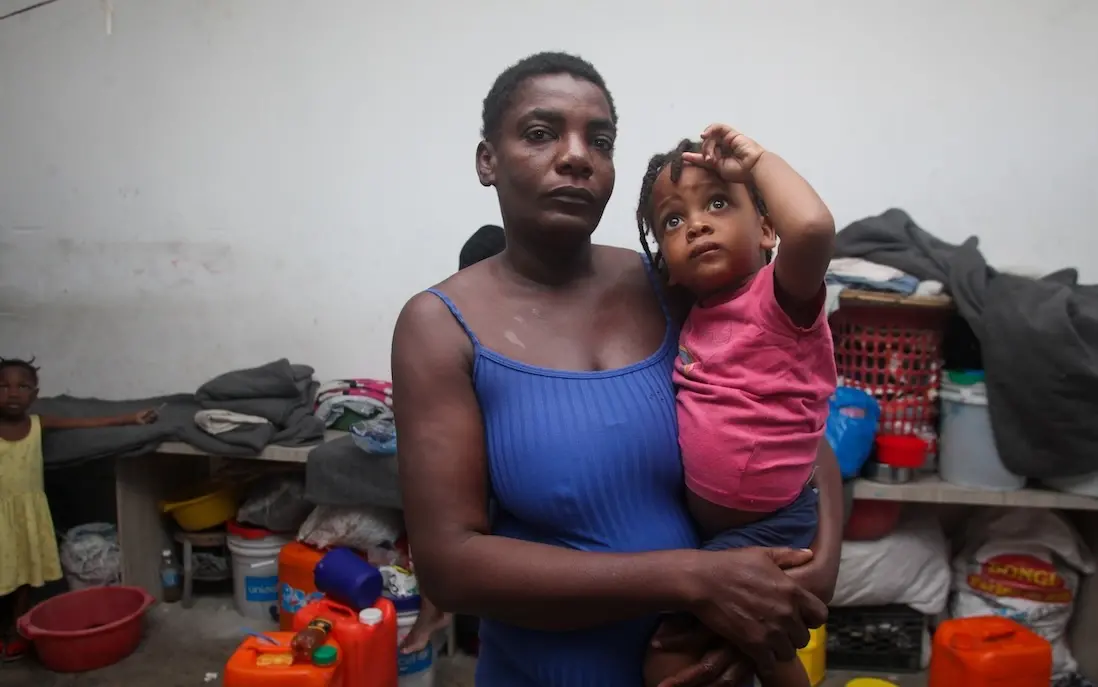
During his stay in the capital, Port-au-Prince, Guterres is expected to meet residents directly impacted by armed gang activity that has disrupted daily life across large parts of the country.
United Nations officials said the visit will provide an opportunity to assess the humanitarian situation on the ground and highlight international and domestic efforts aimed at restoring stability and delivering aid to affected populations.
Escalating Gang Violence and Humanitarian Fallout
Haiti has endured years of rising violence driven by heavily armed gangs that now control or contest significant territory in and around major urban areas.
These groups have been linked to killings, kidnappings, sexual violence, and widespread extortion, creating a climate of fear that has severely weakened public services and governance.
According to UN assessments, nearly 1.5 million people have been displaced from their homes, while more than five million are facing acute food insecurity — a sign of how deeply the crisis has affected everyday survival.
Political Instability Deepens the Crisis
The security breakdown intensified in early 2024 after coordinated gang offensives triggered a major political upheaval. The unrest contributed to the departure of the country’s then leadership and led to the formation of an interim governing structure.
An interim presidential council was later established to manage state affairs, but its mandate has since ended, transferring executive authority to Prime Minister Alix Didier Fils-Aimé.
Despite these changes, Haiti has not held national elections since 2016, with persistent insecurity remaining the main barrier to restoring democratic processes.

International Response and Security Mission
In response to the deteriorating situation, the United Nations Security Council approved the creation of a new international Gang Suppression Force aimed at supporting Haitian authorities in restoring order and weakening armed groups.
The mission is expected to gradually replace the existing Multinational Security Support mission, which has faced criticism over limited capacity and resources.
UN officials say Guterres will review the UN’s operational role during his visit, including coordination with Haitian authorities and international partners involved in stabilisation efforts.
Rising Death Toll Sparks Alarm
Ahead of the visit, UN human rights officials warned of the rapidly worsening toll of violence. According to data shared by the Office of the High Commissioner for Human Rights, thousands have been killed or injured in gang-related incidents in recent months, along with hundreds of kidnappings.
The figures underscore the scale of impunity and the urgent need for stronger judicial action, improved law enforcement capacity, and sustained international support.
A separate UN report earlier this year also highlighted the heavy civilian cost of ongoing anti-gang operations, with thousands of deaths recorded over recent months, including both suspected gang members and civilians caught in crossfire.
Call for Urgent Global Attention
UN officials and human rights advocates have repeatedly stressed that Haiti’s crisis is not only a security emergency but also a humanitarian catastrophe requiring coordinated global attention.
Guterres’ visit is expected to reinforce calls for stronger international engagement, improved funding for security operations, and accelerated efforts to restore political stability and democratic governance in the country.







 ---------------------------------------------------------------------------------------------------