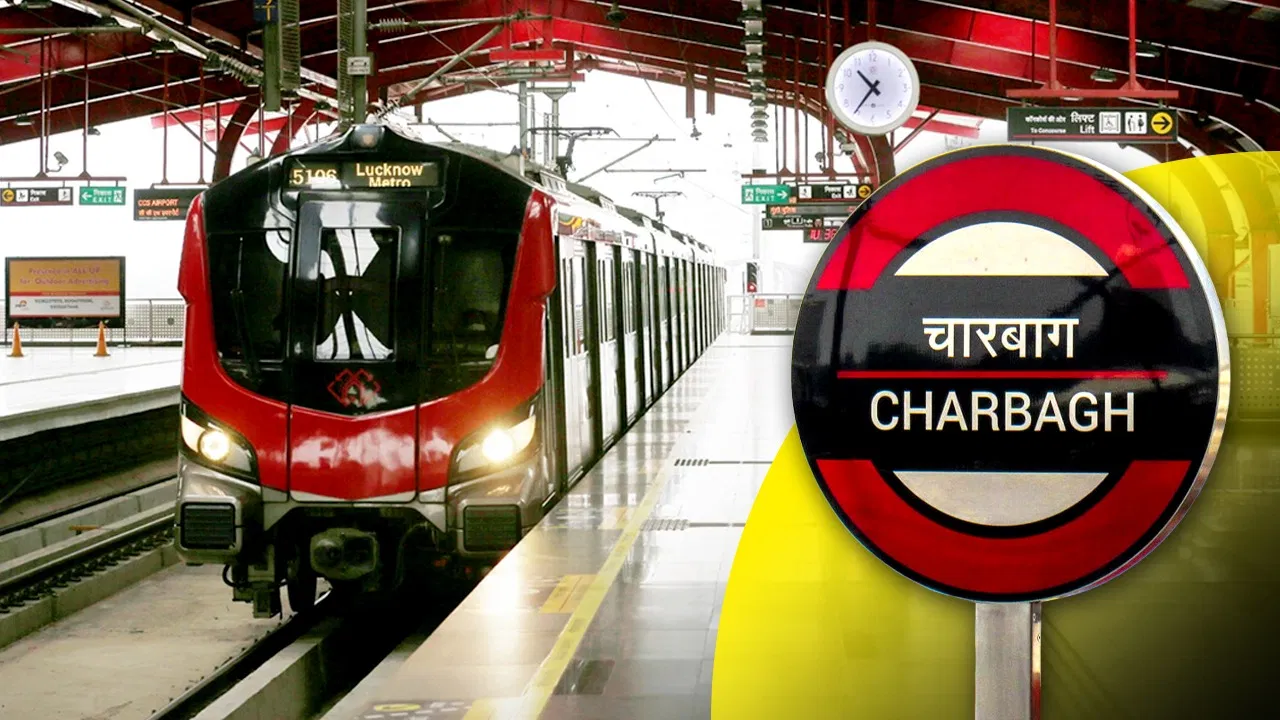
Lucknow: The Lucknow Metro is set for a massive expansion as the Uttar Pradesh Metro Rail Corporation (UPMRC) has proposed the development of 10 new metro corridors covering more than 150 kilometres across the state capital and extending connectivity up to Barabanki.
At present, Lucknow Metro operates on a single 22.87-kilometre corridor connecting Chaudhary Charan Singh International Airport to Munshi Pulia, with 21 stations, including 17 elevated and four underground stations. However, with increasing traffic congestion and rapid urban expansion, authorities are now planning a large-scale network upgrade.

According to officials, UPMRC has completed a detailed survey and submitted its expansion proposal to the state government. Based on the survey findings, the corporation has recommended the creation of nearly 10 new corridors aimed at connecting major residential, commercial, and institutional zones of Lucknow.
The proposed metro expansion is expected to significantly improve urban mobility and reduce traffic pressure on major roads across the city. Authorities believe the new corridors will help integrate large parts of the capital into a modern public transport network.
Officials said the Detailed Project Reports (DPRs) for the proposed corridors are expected to be prepared soon after receiving approval from the government.
According to the proposal, priority for construction will be determined based on traffic demand and feasibility studies. Among the routes identified for early implementation are the Ayodhya Road corridor and the route connecting Charbagh to PGI.

The plan also includes extending the existing metro line from Ayodhya Road through Polytechnic Chauraha, Kamta Chauraha, Matiyari, and Anora Kala before finally reaching Barabanki.
Several major locations and emerging urban hubs are expected to become part of the expanded metro network, including Ekana Cricket Stadium, Rajajipuram, Telibagh, IIM Road, and surrounding areas.
The proposed project also focuses on integrated urban transport facilities. Officials said metro stations under the expansion plan are likely to include parking facilities along with support infrastructure for e-bikes, e-cycles, and other electric mobility options to encourage sustainable transportation.
Urban planners and transport experts believe the proposed expansion could transform public transport connectivity in Lucknow and neighbouring regions, while also boosting economic activity, reducing travel time, and supporting environmentally sustainable urban growth.




 ---------------------------------------------------------------------------------------------------