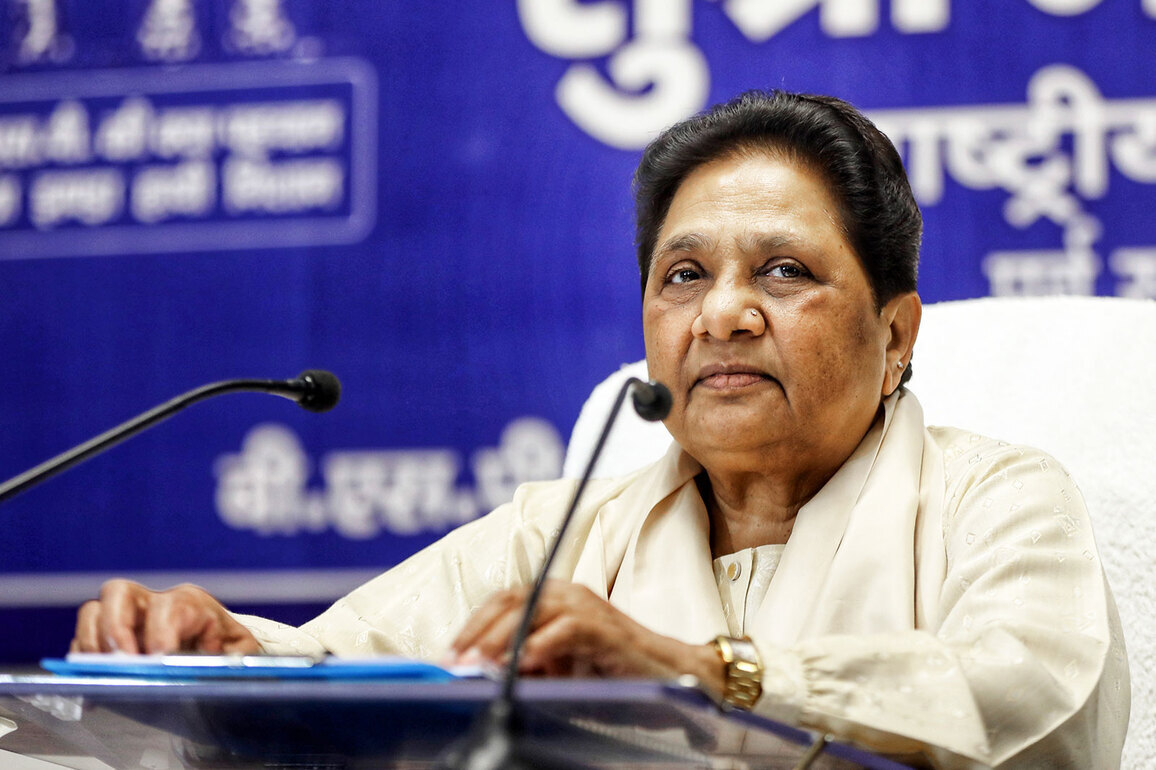
Lucknow: A fresh political debate has erupted across the country following the implementation of the Women’s Reservation Act, with Bahujan Samaj Party (BSP) chief Mayawati launching a sharp attack on major political rivals. In a strongly worded post on social media platform X, the BSP supremo targeted the Congress, Bharatiya Janata Party (BJP), and Samajwadi Party (SP), questioning their commitment to marginalized communities in the context of women’s reservation.
The Women’s Reservation Act, passed in 2023, mandates 33 percent reservation for women in the Lok Sabha, state assemblies, and the Delhi Assembly. However, its implementation is expected after the next delimitation exercise, likely post-2029, leaving room for political contestation over its structure and beneficiaries.

Mayawati Targets Congress, BJP, and SP
In her remarks, Mayawati accused the Congress of adopting a “dual character” on issues concerning Scheduled Castes (SC), Scheduled Tribes (ST), and Other Backward Classes (OBC). Without mincing words, she alleged that the party’s current stance on sub-quotas for marginalized women is driven by political compulsion rather than genuine intent.
She also criticized the BJP, stating that despite being in power, it has failed to adequately safeguard the interests of Dalits and backward communities. The BSP leader extended her attack to the Samajwadi Party, accusing it of selectively representing backward classes while ignoring broader social equity.
Demand for Sub-Quota Gains Momentum
At the heart of Mayawati’s criticism lies the demand for a sub-quota within the women’s reservation framework for SC, ST, and OBC women. She warned that without such provisions, the benefits of the law may disproportionately favor women from more privileged backgrounds.
Political analysts note that this demand is increasingly becoming a focal point in national discourse, with multiple opposition leaders, including Rahul Gandhi, also advocating caste-based enumeration and equitable representation within reservation policies.
Political Context and Electoral Calculations
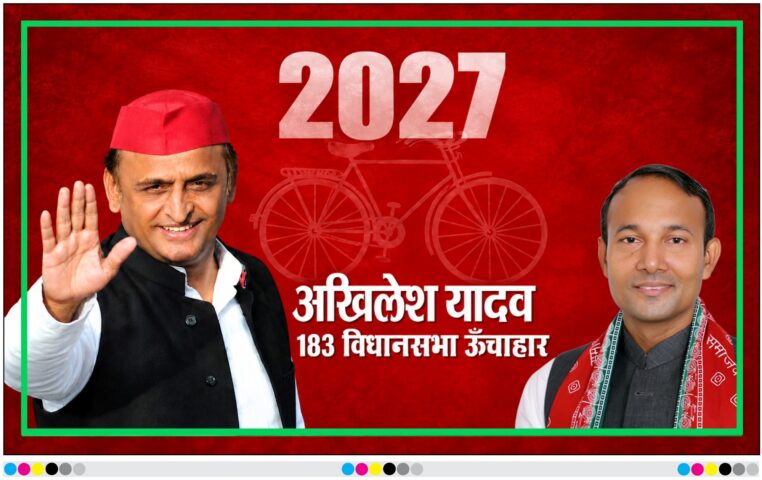
The timing of Mayawati’s statement is significant, coming ahead of key electoral cycles, particularly the 2027 Uttar Pradesh Assembly elections. BSP, which has traditionally relied on Dalit and marginalized voter bases, is seeking to reassert its relevance after facing setbacks in recent elections.

In the 2024 Lok Sabha elections, the party’s performance declined sharply, while alliances involving the Congress and Samajwadi Party gained ground. Observers believe Mayawati’s renewed focus on reservation politics is aimed at consolidating her core support base, especially among Dalit women voters.
Broader Debate on Reservation Policy
The controversy also revives long-standing debates around reservation policies in India. While SC and ST reservations are constitutionally mandated in legislatures, OBC reservation in Parliament and state assemblies remains absent. This gap has intensified calls for a more inclusive framework within the women’s quota.
Experts argue that without clear provisions for sub-categorization, the implementation of women’s reservation could lead to uneven representation. The issue is expected to gain further traction in states like Bihar, Maharashtra, and Uttar Pradesh, where caste dynamics play a decisive role in electoral outcomes.
A Strategic Political Move
Mayawati’s intervention is being seen as both ideological and strategic. By framing the women’s reservation debate around social justice, she aims to reposition BSP as a key voice for marginalized communities. Her use of social media to amplify the message reflects the evolving nature of political communication in the digital age.
What Lies Ahead
As political parties prepare for upcoming elections, the debate over sub-quotas within women’s reservation is likely to intensify. Whether the government considers amendments to address these concerns remains uncertain.
For now, Mayawati’s remarks have reignited a critical conversation—one that goes beyond gender representation to सवाल larger questions of social equity and political inclusion in India’s democratic framework.












 https://www.youtube.com/watch?si=RtToJsBhYBatUrym&v=mOuYNSdhjHA&feature=youtu.be