Lucknow: The PW Institute of Innovation, in collaboration with the PW School of Startups, transformed its campus into a vibrant hub of ideas, ambition, and execution through its flagship E-Cell Incubation Program.
Designed to go beyond theoretical learning, the program brought together student innovators, early-stage founders, and industry leaders to explore the realities of building startups that not only launch but scale sustainably. The initiative focused on equipping participants with practical insights, actionable strategies, and the mindset required to succeed in an increasingly competitive entrepreneurial landscape.
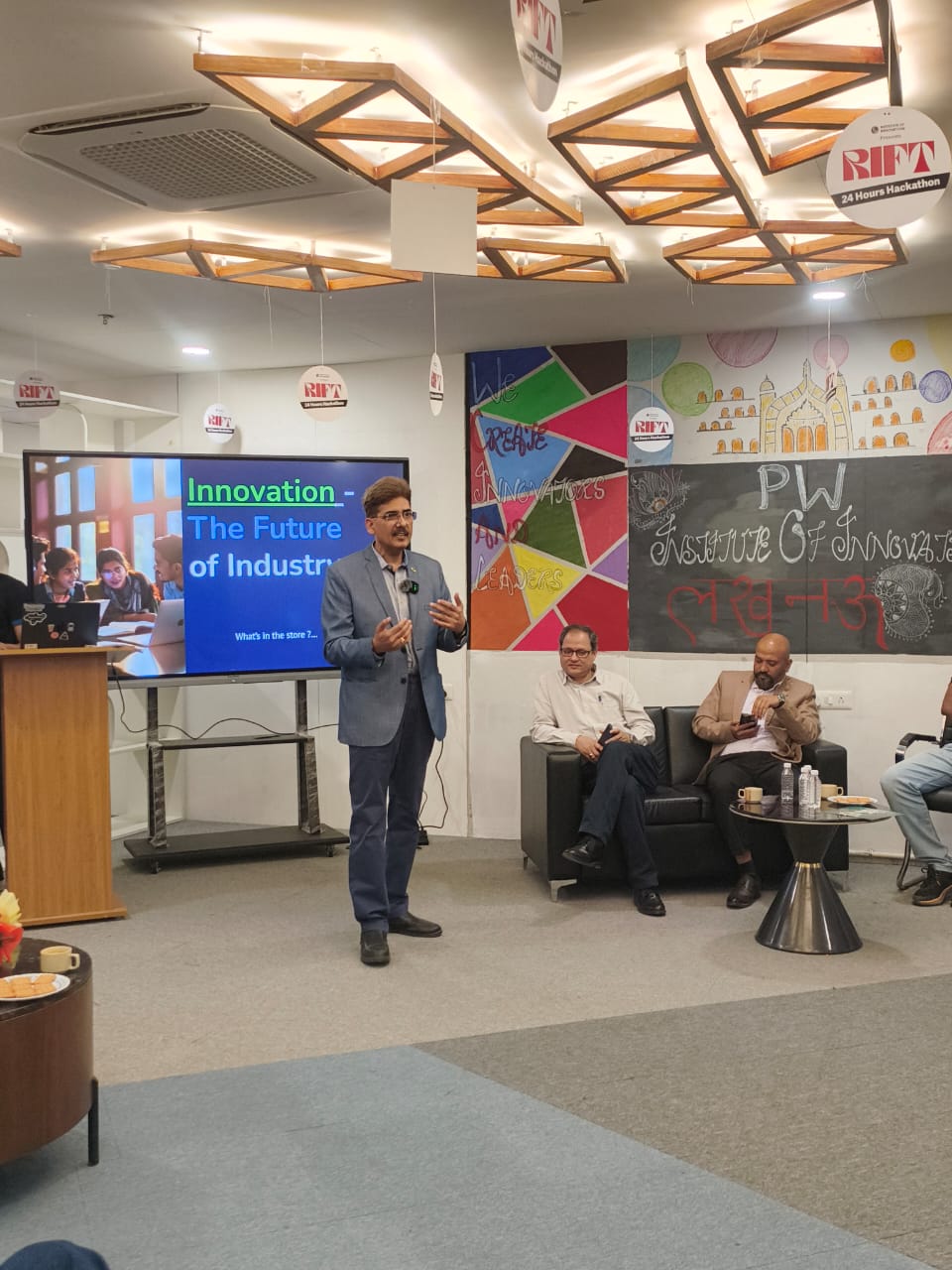
A major highlight of the event was the keynote session by angel investor Sudhanshu Rastogi, who delivered a compelling talk on “Innovation & the Future of Industry.” Offering a candid perspective on the startup ecosystem, he emphasised the importance of execution over ideation, noting that while ideas are abundant, consistent and focused execution remains the defining factor for success. His address also explored the growing role of artificial intelligence in driving business growth and innovation.
Beyond his role as an investor, Rastogi is also associated with the Vision Startups Accelerator, where he actively contributes to strengthening Uttar Pradesh’s startup ecosystem through networking events, pitch sessions, and knowledge-driven engagements. His insights resonated strongly with the audience, particularly aspiring founders seeking real-world guidance.

The program also featured engaging sessions by Vidushi Vijayvergiya and Udit Agarwal, who broke down the entrepreneurial journey from ideation to validation and scalable execution. Their sessions were designed to be highly practical, enabling participants to better understand market fit, product development, and growth strategies.
Backed by the PW Foundation, the initiative stood out for its mission-driven approach aimed at empowering the next generation of founders from across India, particularly from emerging regions, without commercial barriers. The program emphasised inclusivity and accessibility, ensuring that aspiring entrepreneurs could benefit regardless of their background.
With enthusiastic participation, meaningful discussions, and a strong focus on building viable startups, the E-Cell Incubation Program successfully sparked a renewed wave of entrepreneurial energy in Lucknow. As the city continues to evolve as a growing startup hub, initiatives like this are proving to be more than just events—they are becoming launchpads for the next generation of innovators and business leaders.