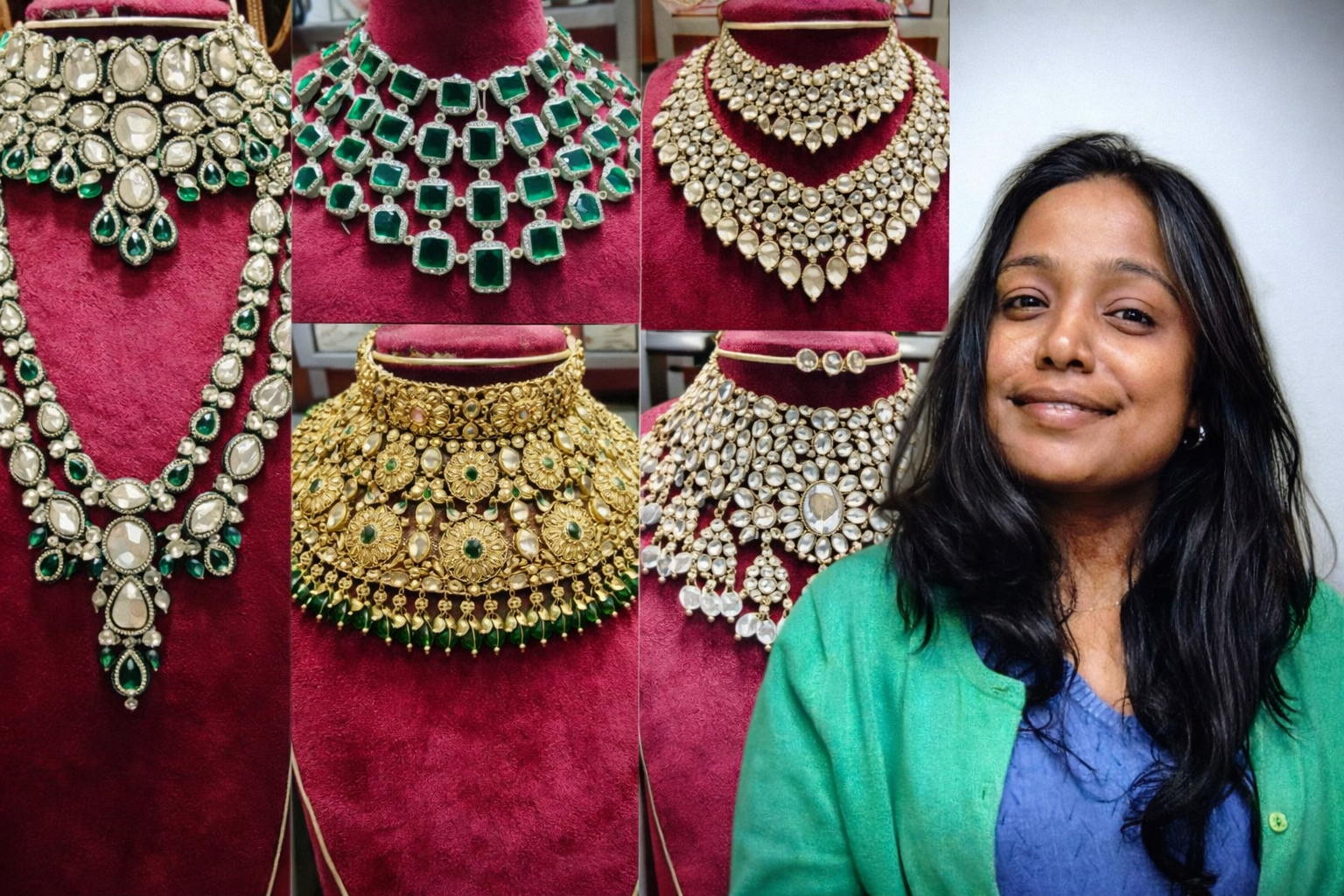
Usha Kumari
“The world’s largest jewellery trading market has zero marketplace of its industry” writes Usha
Kumari, a seasoned Brand Marketing Professional

Lucknow: India is witnessing an immense rise of jewellery brands and customers are more invested than ever. What was once a traditional practice is now democratised as e-commerce’s next product revolution. The jewellery market
is rapidly gaining mammoth momentum, evolving into a diverse portfolio of precious gemstones, metals and
timeless craftsmanship. The national market is expected to reach $146 billion by 2030, according to various
industry reports. Online transactions are surging and jewellery is no longer seen merely as an investment
reserved for weddings and festivals alone. It has created a desire to become an everyday style staple.
Brands are extensively investing in an array of technologies, techniques and tiers to attract more customers.
Traditional jewellers are keen to expand online and adapt to the market’s evolving needs, driven by efficiency,
design and delivery. What is striking, however, is that India has a glaring blind spot in its jewellery shopping
experience. Unlike lifestyle categories such as apparel, beauty or even home decor, precious jewellery has no
marketplace of its own.
Enterprise legacy conglomerates are actively investing in and founding new jewellery companies, drawn by the
colossal gap the market presents. Monopolist jewellery brands, meanwhile, continue to enjoy their
commanding market share, expanding their business portfolios by segmenting products into new sub-brands.
This approach is aiding their market dominance, with customer trust playing a pivotal role in sustaining
it.Fluctuating gold rates, gold classification and entry of lab grown diamonds into mainstream commerce have
further strengthened the presence of leading retail and omnichannel industry players.

Jewellery brands are aiming to reach every corner of India; however, there is a deficit that no jewellery retailer
or maker wants to address: a unified marketplace. Brands are continuously diversifying their categories into
affordable, luxurious, and customised segments.This gap is not just trust-based but runs deeper into the
economic strategies of the country. Customers are increasingly concerned about making charges, price opacity,
and purity. Gold, silver, and diamonds are impacted by the volatility of external affairs, leading to fluctuations
in pricing. This creates sensitive consumer behaviour, considering that jewellery is a high-ticket product
synonymous with status, symbolism, and investment. These challenges remain structural, institutional, and
physical, persisting across both e-commerce and offline business.
The D2C brand attempts are focused on building individual retail identities. These brands are launched digitally
first and, after gaining consumer trust and popularity, expand physically. This business model sidesteps the
marketplace challenge. The untouched opportunity comes with financial liability for both buyer and seller. The
structural problem needs a macro approach, and perhaps the genesis here would need to move from retail to
digital. Insurance, logistics, and inventory intelligence are the primary requirements to venture into this
high-risk opportunity.
Market trends will be more characterised by leading players and their efforts to incorporate technology, design,
and transparency. Emerging brands will create affordability across product categories. Conglomerates will bring
all their brands to one stop to shop, digitally, keeping physical stores in standalone formats. This will encourage
investors to consider the opportunity to build differentiated, accessible, and credible marketplaces within the
jewellery industry.
About the author:
Usha is a brand marketing professional and communication expert. She has worked with Aditya Birla Fashion and Retail and CaratLane, and serves as Visiting Faculty at the National Institute of Fashion Technology



 ---------------------------------------------------------------------------------------------------