Experts Emphasize Circadian Rhythm Balance as the Key to Healthy Childhood, Well-Being, and Healthy Ageing
Lucknow: The Department of Zoology at Lucknow University commemorated World Circadian Day 2026 with a special academic and awareness programme focused on the theme, “Circadian Health for All: From Healthy Childhood to Healthy Ageing.” The event was jointly organized in collaboration with the Indian Society of Chronomedicine (ISCM), the ISCM-FBRL Rhythm Center, and the Nutrition Council of India (NCI).
World Circadian Day, observed annually on June 24, was introduced this year by the Society for Research on Biological Rhythms (SRBR) to promote awareness about the body’s internal biological clock and its critical role in maintaining overall health and well-being.

Focus on Biological Rhythms and Healthy Living
The programme was inaugurated by Prof. Amita Kanaujia, Head of the Department of Zoology, while Prof. Shaili Malik welcomed the distinguished guests, faculty members, researchers, and students.
The event aimed to educate participants about circadian rhythms—the natural 24-hour cycles that regulate sleep, metabolism, hormone secretion, mental health, and other physiological functions. Experts highlighted how maintaining alignment with the body’s biological clock can significantly improve quality of life and reduce the risk of various health disorders.
Keynote Address on Chronomedicine and Healthy Ageing
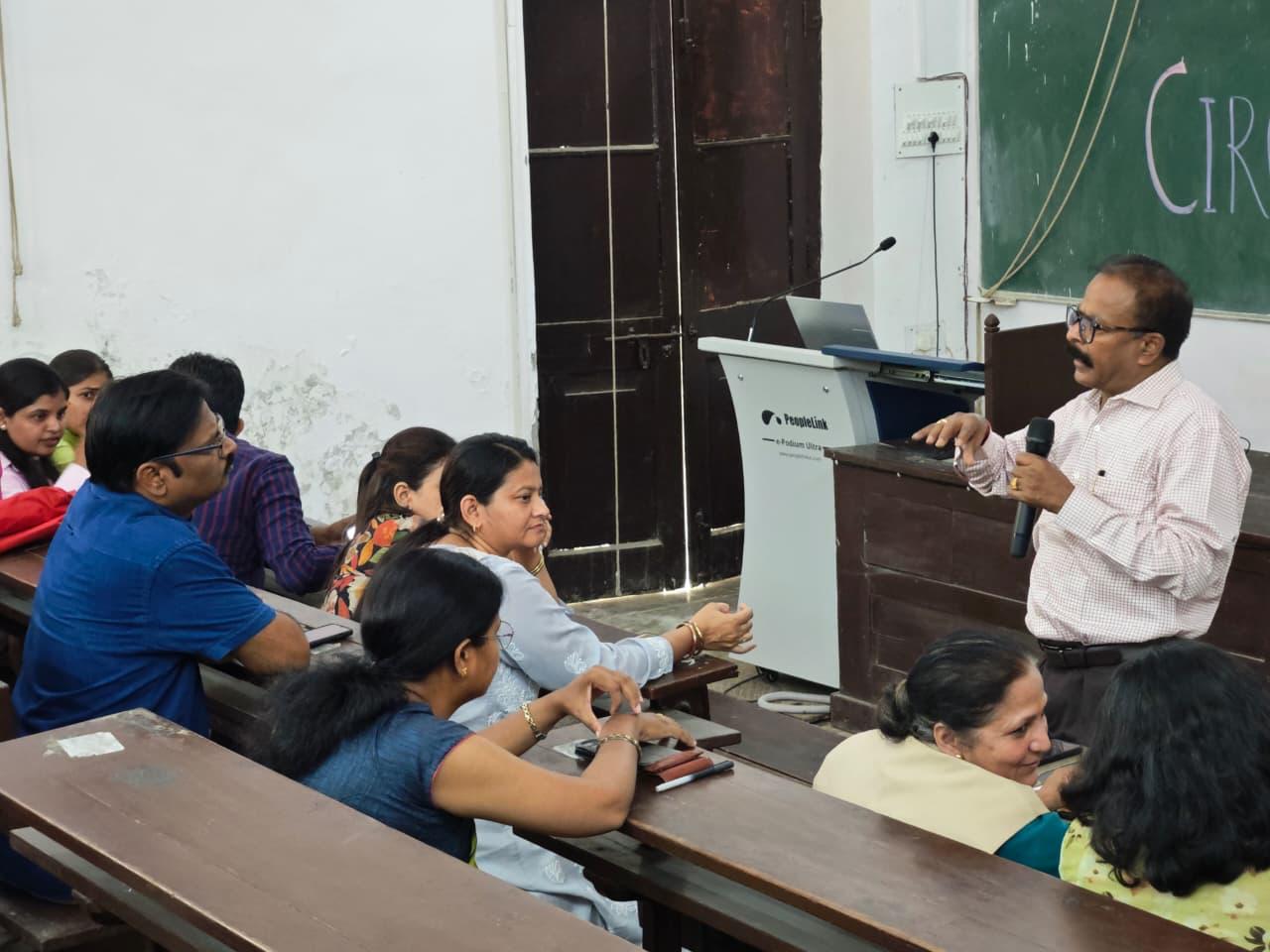
The keynote lecture was delivered by Prof. Nar Singh Verma, Secretary General of the Indian Society of Chronomedicine and Principal and Dean of Sardar Patel Institute of Medical and Health Sciences.
In his address, Prof. Verma explained the growing field of chronomedicine and its relevance to preventive healthcare and healthy ageing. He discussed how circadian rhythms influence sleep quality, metabolic processes, cardiovascular health, and psychological well-being.
He emphasized that synchronizing daily routines with the body’s natural biological clock can contribute to disease prevention, improved longevity, and enhanced overall health.
Circadian Health Screening and Awareness Camp
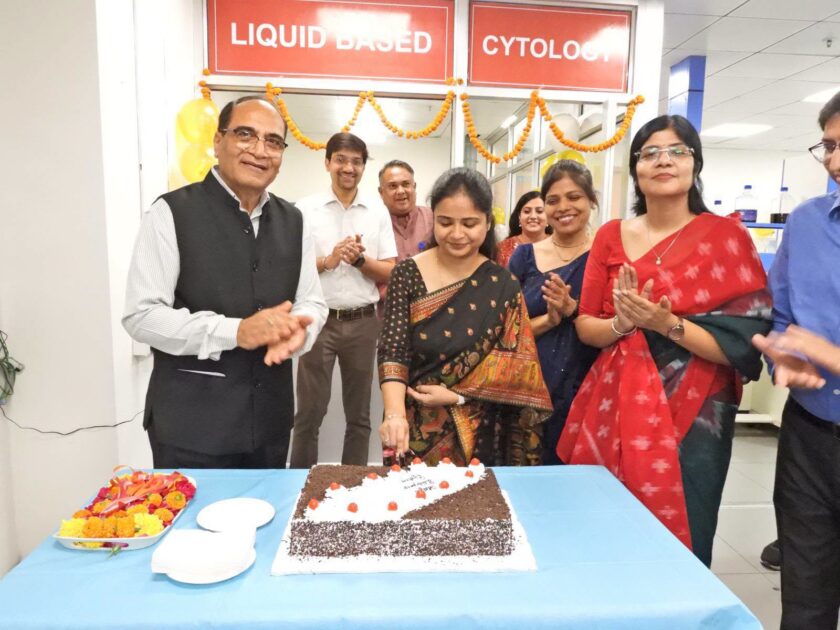
As part of the observance, a special Circadian Health Screening and Awareness Camp was organized under the supervision of Dr. Shipra Bhardwaj.

Participants underwent health assessments that included blood pressure monitoring, glucose rhythm evaluation, and metabolic health screening. Experts also provided personalized counselling on sleep hygiene, nutrition timing, and lifestyle management aimed at improving circadian health.
The initiative encouraged attendees to adopt healthier daily habits and understand the long-term benefits of maintaining regular sleep and eating patterns.
Broad Participation from Faculty and Students
The programme witnessed enthusiastic participation from faculty members, researchers, administrative staff, and students. Among those present were Dr. Geetanjali Mishra, Dr. Alka Agrawal, Dr. Madhu Gupta, Dr. Anjali, and representatives from various academic departments.
The event concluded with a vote of thanks delivered by Prof. Amit Tripathi.
Organizers described the programme as an important step toward increasing public awareness about circadian health and promoting scientific understanding of how biological rhythms influence every stage of life—from childhood development to healthy ageing.
The event reinforced a simple yet powerful message: living in harmony with the body’s natural biological clock is essential for long-term health, wellness, and a better quality of life.




 ---------------------------------------------------------------------------------------------------