Lucknow: India’s plan to buy more Rafale jets from France will give the country a second fighter production line and push indigenisation further, Defence Secretary Rajesh Kumar Singh said on Sunday.
Speaking at a fireside chat titled “Strategy to Capability: Building India’s Defence Edge” at the NDTV Defence Summit 2026, Singh talked about where India’s defence capabilities stand today, from fighter requirements to homegrown development and domestic manufacturing. Besides his role as Defence Secretary, he also holds additional charge as Secretary of DDR&D and Chairman of DRDO.

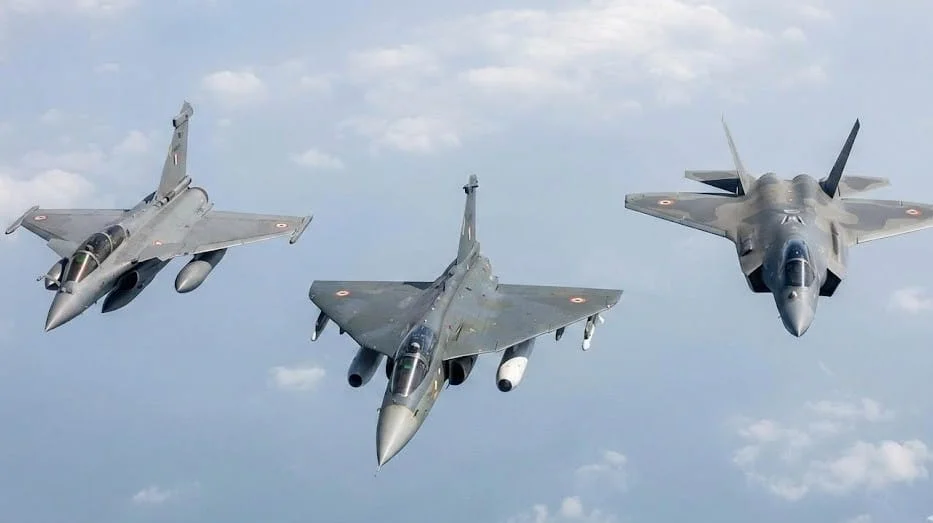
On why the government is going ahead with the Rafale, he said: “Rafale is a proven aircraft. France has agreed to our mandate that they make it in India with significant levels of indigenisation. It enables us to create a second production line for fighter aircraft in the country, which is why we are going through with it.”
Singh was also clear that the Rafale purchase won’t come at the cost of the Tejas programme led by HAL. “Even as we continue with the Rafale deal, the indigenous LCA Tejas Mark 1A programme will continue,” he said, describing it as a spiral development model in which the aircraft keeps getting refined, with indigenous radars “better than global peers” and homegrown weapons being fitted along the way.


He also spoke about the Indian Air Force’s biggest worries. When he first joined the ministry, he said, the IAF’s three main concerns were its shrinking fighter fleet, and the shortage of force multipliers such as AEW&C aircraft and aerial refuellers. According to him, all three gaps are now being addressed. “It won’t happen overnight, but once contracts are signed, delivery expectations are locked in,” he added.
His comments come as the government continues to push for stronger defence capabilities, with a focus on expanding indigenous production and developing military technology at home.
The NDTV Defence Summit 2026, themed “India’s New Defence Edge,” has brought together senior defence officials, military officers and industry leaders to discuss India’s changing requirements and the technologies that will shape future warfare.












 https://www.youtube.com/watch?si=RtToJsBhYBatUrym&v=mOuYNSdhjHA&feature=youtu.be