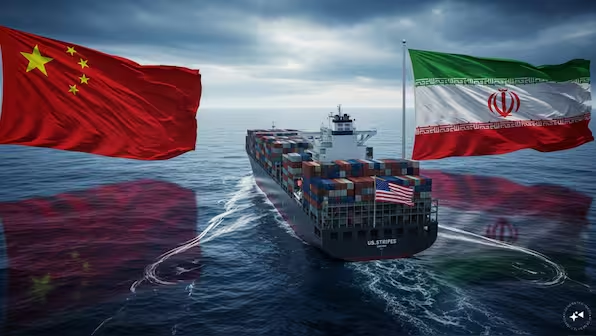
Beijing/ Tehran: The growing strategic convergence between China and Iran is steadily altering the security architecture of West Asia, not through dramatic military alliances or overt intervention, but through a quieter and more calculated framework built on economics, technology, intelligence cooperation, and geopolitical alignment. While the partnership does not fundamentally overturn regional military balances, it significantly improves Iran’s ability to withstand pressure, sustain proxy conflicts, and challenge Western influence over the long term.
At its core, the relationship is highly asymmetrical. Iran gains far more immediate strategic value from the partnership than China does. For Tehran, Beijing represents an economic lifeline, a technological enabler, and an increasingly important diplomatic shield against Western isolation. For China, Iran is a useful strategic partner in its broader effort to dilute American dominance without becoming directly entangled in regional wars.

China as Iran’s Economic Lifeline
One of the most consequential dimensions of the relationship is energy trade. China has emerged as Iran’s largest oil customer, reportedly purchasing the overwhelming majority of Iranian crude exports despite international sanctions. These transactions provide Tehran with the financial resources necessary to sustain its economy, preserve regime stability, and continue funding military modernization as well as allied non-state actors across the region.
This economic cushion has enormous defense implications. Sustained oil revenue allows Iran to replenish missile and drone inventories, maintain the operational readiness of proxy groups, and recover more quickly from economic or military shocks. In practical terms, Chinese purchases reduce the effectiveness of Western sanctions campaigns designed to weaken Iran’s regional influence.
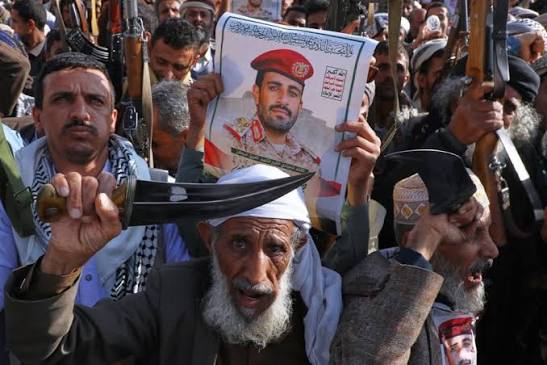
The impact extends beyond Iran itself. Groups aligned with Tehran—including Hezbollah, the Houthis, and Iranian-backed militias in Iraq and Syria—benefit indirectly from the financial stability this trade generates. As a result, low-intensity conflicts across West Asia become more sustainable and harder to resolve decisively.
Dual-Use Technology and Military Enhancement
A deeper China-Iran equation is also strengthening Iran’s military resilience through dual-use technology transfers and intelligence support. Rather than openly supplying advanced weapons systems on a large scale, China’s contribution appears to revolve around components, navigation systems, surveillance support, industrial materials, and technologies that can serve both civilian and military purposes.
Reports have highlighted the presence of Chinese-origin components in Iranian missile and drone programs, as well as Chinese precursor chemicals used in solid-fuel rocket production. Satellite imagery and navigation assistance through China’s BeiDou system have also reportedly improved the precision and coordination of Iranian strike capabilities.
This support enhances Iran’s anti-access and area-denial strategy. Improved targeting, more reliable drones, stronger electronic warfare capabilities, and better missile accuracy increase the risks facing adversaries such as the United States and Israel. Even incremental technological improvements can significantly complicate military operations in the Persian Gulf, the Red Sea, or near the Strait of Hormuz.
Iran’s military doctrine has long emphasized asymmetric warfare rather than conventional superiority. Chinese technological inputs strengthen precisely those areas where Iran seeks leverage—swarm attacks, missile saturation, proxy warfare, cyber operations, and strategic disruption.
Sustaining the “Axis of Resistance”
The broader geopolitical impact of closer China-Iran ties is most visible in Iran’s “forward defense” strategy. Tehran projects power not primarily through direct military confrontation but through a network of allied groups across Lebanon, Yemen, Iraq, Syria, and Gaza. Continued Chinese economic engagement helps Iran maintain this regional architecture even during periods of intense pressure.
This has several consequences for regional conflicts. First, it prolongs proxy warfare by ensuring Iran retains the resources needed to arm and support partner groups. Second, it raises the costs of military escalation for Western powers. Third, it reinforces a pattern of chronic instability rather than decisive victory for any side.
The Red Sea disruptions linked to Houthi operations offer a clear example. Even limited attacks on shipping lanes force costly naval deployments, strain air-defense systems, and increase insurance and energy prices worldwide. Such asymmetric pressure allows Iran and its allies to impose strategic costs without engaging in full-scale conventional war.

Strategic Pressure on the United States
From Washington’s perspective, the evolving China-Iran relationship presents a multidimensional challenge. The immediate concern is not the emergence of a formal military alliance, but the cumulative effect of sustained friction across multiple theaters.
American and Israeli forces now face adversaries that are more technologically capable, financially resilient, and strategically networked than in previous decades. Even if Iran remains conventionally weaker than its rivals, its ability to absorb pressure and continue operations has improved significantly.
This dynamic also creates strategic distraction. Every prolonged crisis in West Asia requires the United States to commit naval assets, missile interceptors, intelligence resources, and diplomatic attention. That diversion indirectly benefits China by stretching American military capacity at a time when Washington is increasingly focused on the Indo-Pacific.
In this sense, Beijing gains from instability without directly causing it. China does not need to deploy troops or establish a military bloc in West Asia to benefit strategically. Simply ensuring that the United States remains tied down in expensive and prolonged regional commitments serves Chinese geopolitical interests.
China’s Careful Balancing Strategy
Despite the growing partnership, China remains cautious. Beijing’s primary priorities are energy security, trade stability, and avoiding direct confrontation with the United States. It continues to maintain strong economic ties with Gulf Arab states such as Saudi Arabia and the United Arab Emirates, while also preserving important commercial relations with Israel.
This balancing strategy explains why China avoids overt military commitments to Iran. There is no formal defense treaty, no major Chinese troop presence in the region, and little evidence that Beijing is prepared to act as Tehran’s security guarantor.
Instead, China prefers ambiguity and indirect influence. Its support often remains beneath the threshold that would trigger major escalation or secondary sanctions. This allows Beijing to strengthen Iran enough to complicate Western dominance, while still protecting its broader regional interests.
A Long-Term Shift, Not a Sudden Transformation
The deepening China-Iran relationship does not create a peer military challenge to the United States in West Asia. American military infrastructure, Gulf partnerships, and naval superiority remain formidable. However, the partnership does contribute to a broader strategic trend in which authoritarian powers cooperate to gradually erode Western influence through sustained pressure rather than direct confrontation.
The result is a more resilient Iran, a more complicated regional security environment, and a prolonged era of asymmetric conflict across West Asia. Future Western responses are likely to include tighter export controls, expanded sanctions on Chinese entities linked to Iran, stronger naval deployments, and accelerated missile-defense cooperation with Gulf allies.
Over time, the evolving partnership may not redraw the map of power overnight, but it is steadily reshaping the strategic calculations of every major actor in the region.