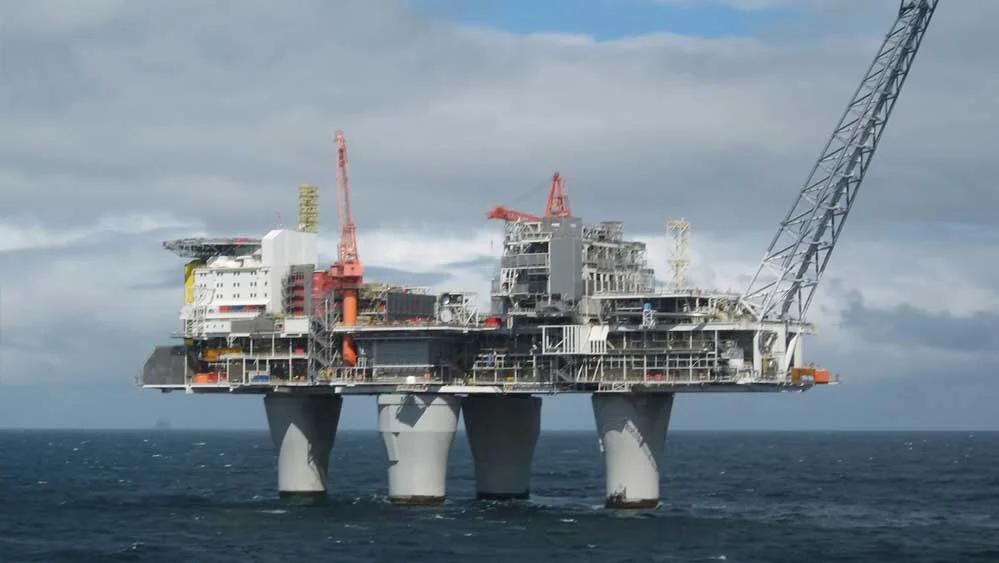
Tehran: Iran has announced a major natural gas discovery in the southern province of Fars, claiming more than 212 billion cubic metres (7.5 trillion cubic feet) of gas reserves. The development comes as the country continues to face severe economic sanctions and pressure on its energy infrastructure.
Iranian Oil Minister Mohsen Paknejad, speaking on national television, said around 160 billion cubic metres (5.7 trillion cubic feet) of the newly discovered gas could potentially be recovered. He described the find as an important development for Iran’s long-term energy security.

High-Quality Gas Could Reduce Processing Costs
According to the Iranian oil minister, the newly identified resource is classified as “sweet” natural gas, meaning it contains very low levels of hydrogen sulphide. Such gas generally requires less treatment and can therefore be cheaper and easier to process than gas with higher levels of sulphur compounds.
Paknejad said the discovery is comparable in scale to an entire block of Iran’s giant South Pars gas field, one of the world’s largest gas-producing regions. Iranian officials estimate that the newly identified reserves could support gas supplies for roughly 15 years, depending on production rates and recoverable volumes.
Authorities have reportedly begun taking urgent steps to accelerate development and bring the field into production as quickly as possible.
Discovery Offers Potential Relief, but Challenges Remain
The discovery strengthens Iran’s already substantial position as one of the countries with the world’s largest natural gas reserves. However, turning underground resources into commercially available gas could prove challenging.
Years of international sanctions have restricted Iran’s access to advanced energy technology, international financing and foreign investment. Developing the newly discovered reserves would require significant capital, specialised equipment and infrastructure to extract, process and transport the gas.
Iran’s energy sector has also faced additional pressure following damage to parts of its infrastructure during recent military attacks. Disruptions to energy facilities have contributed to domestic power shortages and increased pressure on the country’s energy system.


Rising Tensions Between Tehran and Washington
The gas discovery comes against the backdrop of renewed tensions between Iran and the United States.
US President Donald Trump recently announced what he described as a major economic campaign against countries assisting Iran, referring to the initiative as “ECONOMIC D-DAY” in a social media post.
Iranian officials responded with strong warnings. Mohsen Rezaei, secretary of Iran’s Supreme National Security Council, reportedly threatened that continued economic pressure could have consequences for oil exports through the Strait of Hormuz and the Persian Gulf.
The strategic waterway is one of the world’s most important energy corridors, carrying a significant share of global oil and gas shipments.
Impact on Iran’s Energy Strategy
For Tehran, the Fars discovery could provide an important long-term opportunity to strengthen domestic gas supplies and potentially support future industrial and energy projects.
However, the extent to which Iran can rapidly monetise the reserves will depend on its ability to secure investment, technology and infrastructure amid continuing geopolitical tensions and sanctions.
The discovery therefore represents a significant addition to Iran’s resource base, but its broader economic impact will ultimately depend on how quickly and efficiently the country can develop the field and bring its gas to market.












 https://www.youtube.com/watch?si=RtToJsBhYBatUrym&v=mOuYNSdhjHA&feature=youtu.be