Strategic Partnerships, Economic Gains, and Global Influence Shape India’s Rising International Profile
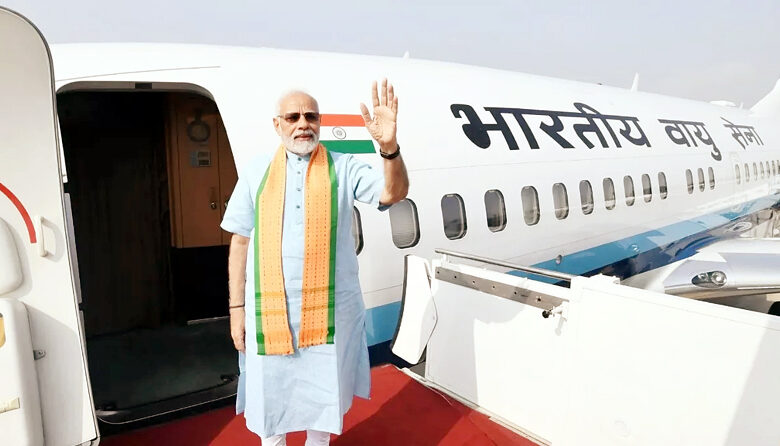
New Delhi: Prime Minister Narendra Modi’s ongoing official visit to Indonesia, Australia, and New Zealand from July 6 to July 11 has once again brought India’s proactive foreign policy into focus. While opposition parties continue to question the frequency and cost of overseas visits, supporters and strategic analysts argue that these diplomatic engagements have played a significant role in strengthening India’s economic, strategic, and geopolitical standing over the past decade.
The visit aims to deepen strategic partnerships, expand trade and investment opportunities, and strengthen cooperation in key sectors including technology, defense, energy, and education.

Economic Diplomacy Driving Growth
One of the most visible outcomes of India’s active diplomatic outreach has been its impact on the economy. The government has increasingly linked foreign policy with economic development through what experts describe as “economic diplomacy.”
Meetings with global business leaders and investors in major financial centers such as the United States, the United Arab Emirates, Japan, Germany, and Singapore have helped position India as an attractive investment destination. Initiatives such as Make in India and Atmanirbhar Bharat have received global attention, encouraging multinational corporations to explore manufacturing and research opportunities in India.
Foreign investment commitments from leading technology and manufacturing companies have contributed to job creation, industrial expansion, and supply-chain diversification.
Strengthening Strategic and Security Partnerships
India’s foreign policy has evolved from traditional non-alignment to a more flexible and multi-aligned approach, allowing it to maintain strong relations with multiple global powers simultaneously.
Through engagements with countries across the Indo-Pacific region and participation in forums such as the Quad, India has strengthened its strategic partnerships while highlighting concerns related to regional security and maritime stability.
At the same time, India has maintained its long-standing relationship with Russia, ensuring continued access to energy supplies and preserving strategic autonomy in international affairs.
Relations with Gulf nations such as the UAE and Saudi Arabia have also witnessed significant transformation, with both countries emerging as major economic and strategic partners.
Enhancing Energy Security
As one of the world’s fastest-growing economies, India’s energy requirements continue to expand. Diplomatic engagements with energy-producing nations in the Middle East, Russia, and Africa have helped diversify sources of energy imports and reduce vulnerability to global market fluctuations.
India has also emerged as a prominent advocate of renewable energy through international initiatives focused on solar power and sustainable development, strengthening its position in global climate diplomacy.
Technology and Defense Cooperation
Foreign visits have contributed to greater cooperation in advanced technology, defense manufacturing, and innovation.
Collaborations with countries such as the United States, France, Japan, and others have focused on technology transfer, joint production, and research partnerships. Efforts to establish India as a global semiconductor and electronics manufacturing hub have also gained momentum through international agreements and investments.

India’s digital public infrastructure, particularly digital payment systems, has attracted growing international interest, further enhancing the country’s technological reputation.
Expanding Global Influence
India’s successful leadership of major international forums and its increasing role in representing developing nations have strengthened its global standing.
The country has sought to position itself as a bridge between developed and developing economies, advocating for the interests of the Global South while maintaining constructive engagement with major powers.
India’s cultural diplomacy has also expanded through initiatives promoting yoga, traditional wellness practices, and greater engagement with overseas Indian communities.
The Role of the Indian Diaspora
Prime Minister Modi’s interactions with Indian diaspora communities around the world have become a defining feature of many foreign visits. These engagements have helped strengthen people-to-people ties and encouraged greater participation of overseas Indians in India’s economic and developmental journey.
Strong diplomatic relations have also facilitated large-scale evacuation and assistance operations during international crises, demonstrating the practical benefits of global partnerships.
Challenges Remain
Experts note that while diplomatic outreach has yielded significant opportunities, the long-term success of international agreements depends on effective implementation at home. Several investment and cooperation agreements require sustained follow-up to translate commitments into tangible outcomes.
Regional geopolitical challenges, including growing competition for influence in South Asia and the Indo-Pacific, also continue to require careful diplomatic management.
A More Confident Global India
Supporters of the government argue that frequent high-level diplomatic engagements have helped transform India’s international image from a participant in global affairs to a country increasingly shaping global discussions.
From attracting investment and strengthening defense capabilities to securing energy supplies and enhancing international influence, India’s diplomatic outreach has become a key pillar of its broader development strategy.
As India seeks a larger role in global governance and economic growth, the outcomes of these sustained diplomatic efforts are expected to remain a central part of the nation’s foreign policy narrative in the years ahead.




 ---------------------------------------------------------------------------------------------------