Lucknow | As political activity intensifies ahead of the 2027 Uttar Pradesh Assembly elections, the Bharatiya Janata Party (BJP) has unveiled a fresh organizational strategy in eastern Uttar Pradesh, commonly known as Purvanchal. Political observers believe the move is designed to counter the Samajwadi Party’s PDA (Backward, Dalit and Minority) outreach by strengthening the BJP’s appeal among Backward Classes, Dalits and Vaishya communities.
The party recently announced new district presidents in five key districts—Ambedkar Nagar, Varanasi, Chandauli, Gorakhpur Metropolitan and Deoria—after consultations between state leadership and the party high command. The appointments reflect a carefully calibrated social and regional balance, with leadership positions distributed among OBC, Dalit, Vaishya and Kshatriya representatives.
According to political analysts, the selections signal the BJP’s intention to deepen its grassroots presence while broadening its social coalition ahead of the crucial 2027 electoral contest.
Strategic Appointments Across Key Districts
Under the leadership of BJP state president Pankaj Chaudhary, the party has sought to align organizational expansion with caste and community representation.
In Ambedkar Nagar, Dilip Dev Patel has been appointed district president, replacing Tryambak Tripathi. Patel is regarded as an experienced organizational leader with strong roots among OBC communities, particularly the Kurmi electorate.
In Gorakhpur Metropolitan, Ramesh Kumar Gupta has been entrusted with the district leadership. The position had remained vacant following the death of former president Devesh Srivastava. His appointment is widely viewed as an effort to strengthen ties with the influential Vaishya community in Chief Minister Yogi Adityanath’s political stronghold.
Deoria has seen the appointment of Kali Prasad as district president, a move interpreted as outreach to Dalit voters. Party leaders have highlighted his long-standing association with grassroots organizational work.
Meanwhile, Ram Sakal Patel has taken charge in Varanasi, replacing Hansraj Vishwakarma after the latter joined the state government as a minister. In Chandauli, Kashi Nath Singh has been retained as district president, reflecting the party’s confidence in his organizational experience and local influence.
A Response to the PDA Narrative?
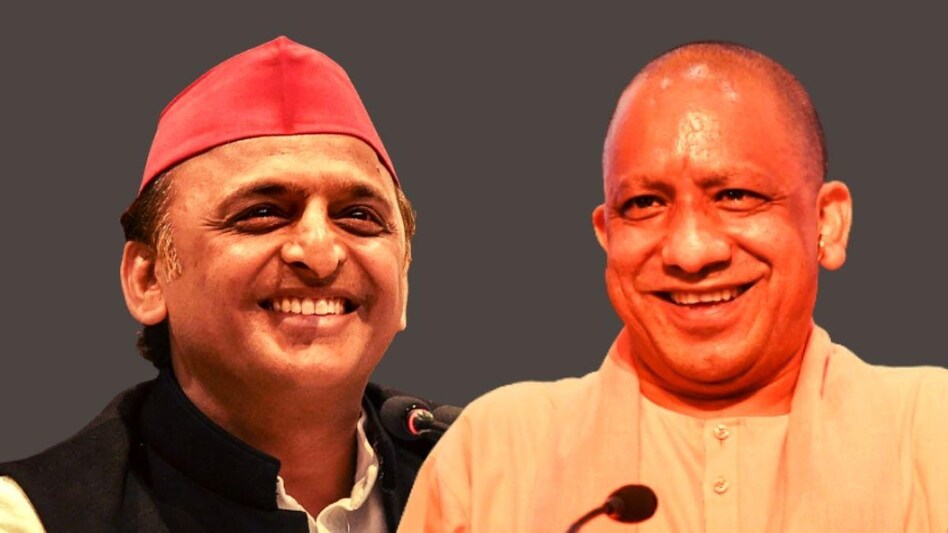
Political commentators view these appointments as part of a broader BJP strategy to counter the Samajwadi Party’s PDA campaign championed by Akhilesh Yadav. While the SP has sought to consolidate Backward Classes, Dalits and minorities under a common political platform, the BJP appears to be focusing on a combination of Backward Classes, Dalits and Vaishyas through organizational representation and local leadership.
Supporters of the BJP argue that placing leaders from diverse social backgrounds in prominent organizational roles demonstrates the party’s commitment to inclusive representation. Critics, however, contend that such moves are primarily electoral calculations aimed at protecting the BJP’s existing support base and expanding it in competitive regions.

Focus on Purvanchal
Purvanchal remains one of the most politically significant regions in Uttar Pradesh, accounting for a substantial number of Assembly seats. Both the BJP and the Samajwadi Party view the region as central to their electoral prospects in 2027.
The appointments in districts such as Ambedkar Nagar and Deoria are particularly noteworthy because of their complex caste dynamics and history of strong support for regional parties. Analysts suggest that strengthening local leadership in these areas could help the BJP consolidate support among communities that have traditionally been courted by both the SP and the Bahujan Samaj Party (BSP).
Organizational Expansion Ahead of 2027
The latest announcements are part of a wider restructuring exercise being undertaken by the BJP across Uttar Pradesh. The party has already appointed district presidents in 83 of its 98 organizational districts and metropolitan units.
According to party sources, district-level appointments were made in phases, with major announcements occurring in 2025 and 2026. Fifteen districts still await new organizational chiefs, including politically significant regions such as Ayodhya, Saharanpur, Amroha, Shamli, Baghpat and Mathura.
Once the process is completed, the BJP is expected to have a fully reorganized district-level structure in place well before the Assembly elections.
Electoral Implications
Political analysts believe the BJP’s latest moves underscore the growing importance of social coalitions in Uttar Pradesh politics. While governance, welfare schemes and leadership remain important electoral factors, caste and community representation continue to play a decisive role in voter mobilization.
The BJP’s organizational strategy appears aimed at reinforcing its appeal among key social groups while preventing rival parties from consolidating their traditional vote banks. At the same time, the Samajwadi Party is expected to intensify its PDA campaign and strengthen outreach among backward classes, Dalits and minorities.
With nearly a year remaining before the 2027 Assembly elections, both parties are laying the groundwork for what is expected to be one of the most closely watched political contests in the country. The success of these competing social and organizational strategies may ultimately shape the future political landscape of Uttar Pradesh.