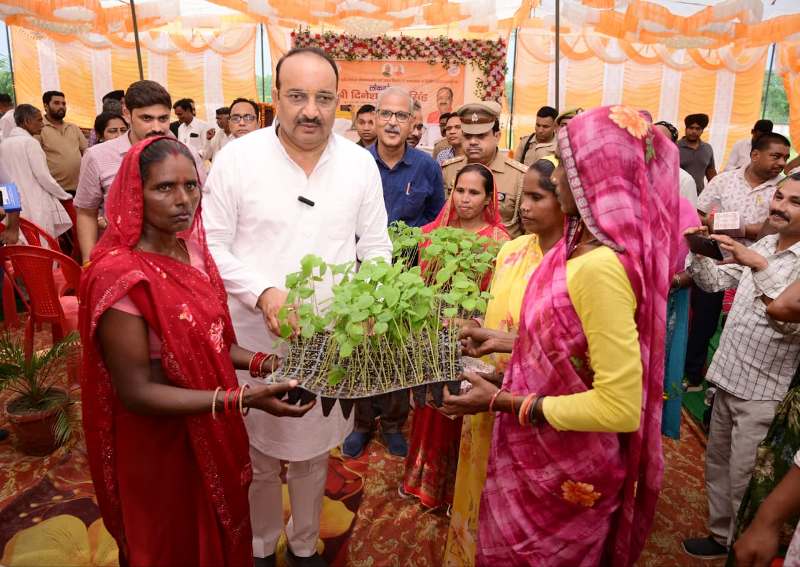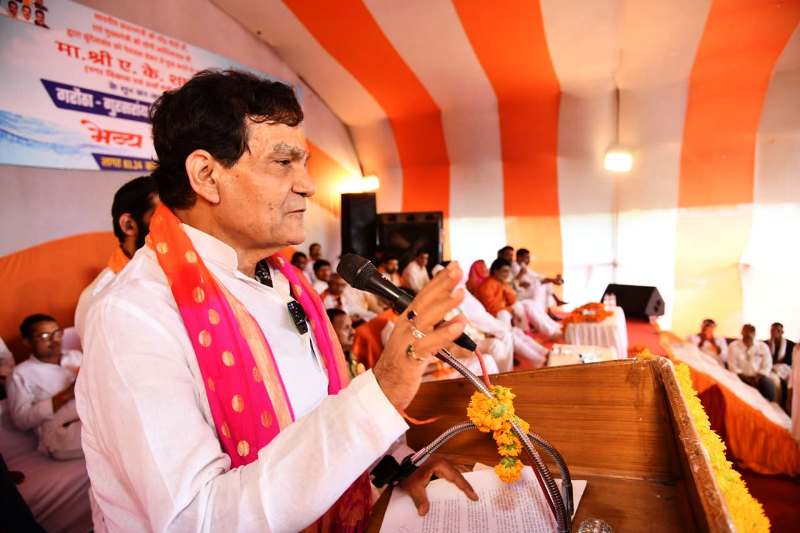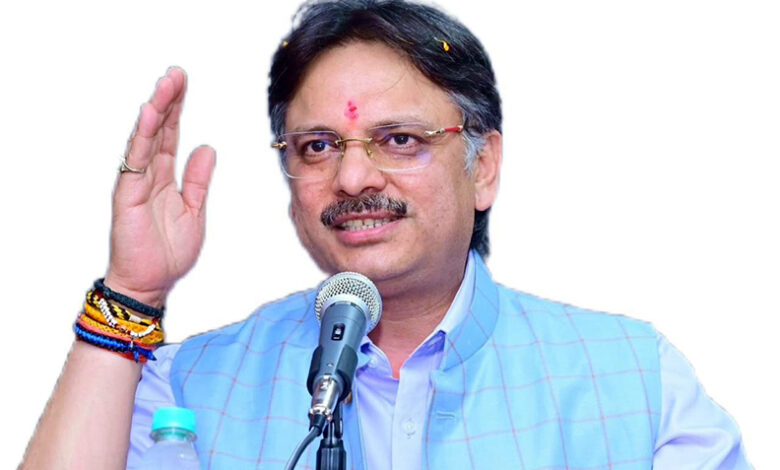
Lucknow: In a remarkable transformation, Sarojini Nagar in Lucknow has evolved beyond being just a legislative constituency, emerging as a model of public service and community trust under the leadership of Dr. Rajeshwar Singh.
Today, Sarojini Nagar reflects a people-centric approach to governance, where development is measured not merely in infrastructure but in dignity, inclusion, and human connection. Residents describe the constituency as a cohesive “family,” where every individual’s concern and aspiration forms part of a broader development narrative.
One of the flagship initiatives, the Tara Shakti Rasoi, has become a lifeline for thousands. Operating daily near Lokbandhu Hospital, the community kitchen serves meals to over 4,000 people each day. Beyond addressing hunger, it fosters a sense of belonging and reassurance among the underprivileged.
Empowerment efforts are equally visible through the Tara Shakti Kendras, where women are trained in stitching and production. These centres have collectively produced over 30,000 eco-friendly bags, 50,000 party flags, and 40,000 national flags, reflecting not just productivity but the growth of confidence, identity, and financial independence among participants.
Youth development has been prioritised through the Ranbahadur Singh Youth Digital Centres, which are equipping young individuals with essential digital skills. More than 1,000 trained youths have facilitated services such as Ayushman card registrations and pension processing, benefiting over 8,000 citizens while fostering a culture of responsibility and self-reliance.

The “Aapka Vidhayak Aapke Dwar” initiative has further strengthened grassroots governance. Over 165 consecutive weeks, outreach programmes have ensured direct engagement between citizens and their elected representative, leading to on-the-spot resolution of local issues. The initiative has also recognised over 1,700 meritorious students and extended healthcare support to numerous families.
Another notable effort is the Shri Ram Rath Shravan Yatra, which has enabled more than 5,000 senior citizens over the past three years to undertake spiritual journeys to Ayodhya. For many participants, the experience has been deeply emotional and fulfilling, symbolising the human impact of such initiatives.
Speaking about the transformation, Dr. Rajeshwar Singh emphasised that the strength of Sarojini Nagar lies in its people. He highlighted that development here is driven not by paperwork but by collective will—powered by dedicated workers, the energy of women, and the blessings of the elderly.
As Sarojini Nagar continues its journey, it stands as an example of participatory governance—where every citizen is seen as a stakeholder, and every effort contributes to building a vibrant, inclusive, and inspiring community.