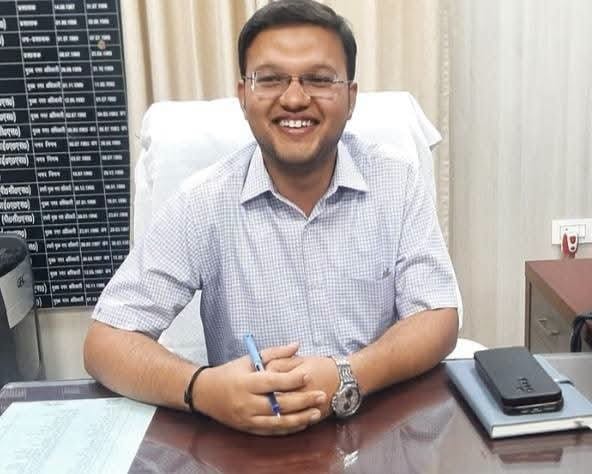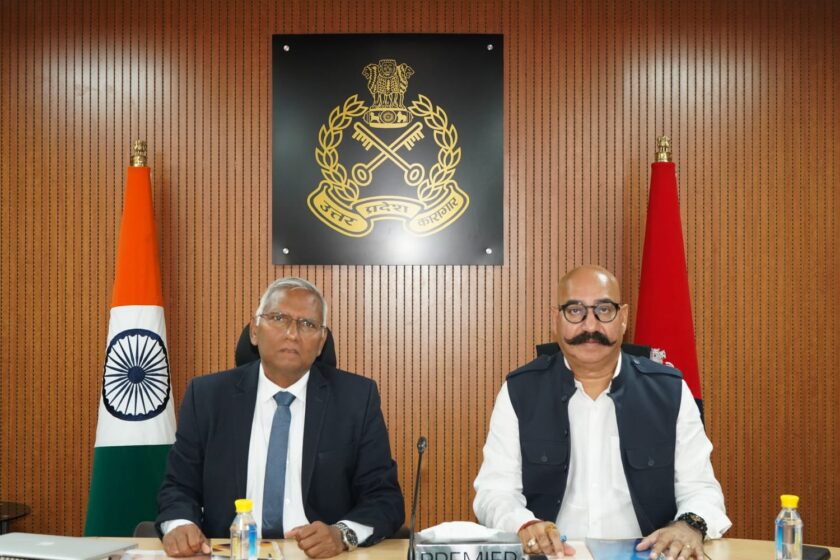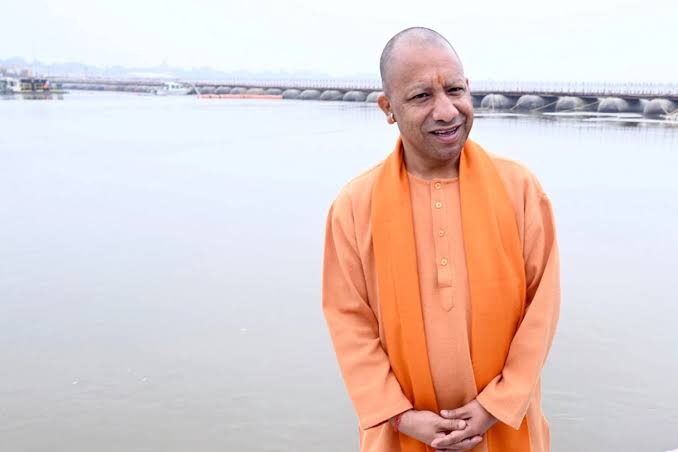
Lucknow: The Uttar Pradesh Cabinet, chaired by Chief Minister Yogi Adityanath, on Tuesday approved three key proposals of the Higher Education Department aimed at promoting women’s education, preserving India’s knowledge heritage, and strengthening educational infrastructure.
Announcing the decisions at a press briefing at the Lok Bhavan Media Centre, Higher Education Minister Yogendra Upadhyay said the Cabinet had approved the Rani Laxmibai Scooty Scheme, the establishment of Indian Knowledge Tradition Research Chairs, and the construction of a new women’s hostel at Vasant Kanya Mahavidyalaya, Rajghat, Varanasi.
Scooter Scheme for 50,000 Meritorious Girl Students
The Cabinet approved the ambitious Rani Laxmibai Scooty Scheme, fulfilling a commitment made in the BJP’s 2022 election manifesto. The initiative is intended to encourage higher education among women, reduce dropout rates, improve the Gross Enrolment Ratio (GER), and promote self-reliance.
Under the scheme, the top five percent meritorious female graduates from the 2025–26 academic session studying in state universities, private universities, government colleges, aided colleges, and self-financed institutions in Uttar Pradesh will receive petrol-powered scooters based on merit.
To qualify, beneficiaries must be permanent residents of Uttar Pradesh and belong to families with an annual income below ₹12 lakh.
Approximately 50,000 students are expected to benefit during the current year. The government will provide a complete package that includes vehicle registration, comprehensive insurance, an ISI-certified helmet, essential accessories, and five litres of petrol at the time of delivery. Scooters will be procured through the Government e-Marketplace (GeM).
Special provisions have also been approved for girls with disabilities, orphaned students, and daughters of martyrs, who will receive relaxation in merit requirements. For these categories, graduation alone will be sufficient to qualify under the scheme.
Research Chairs to Promote Indian Knowledge Tradition
The Cabinet also approved the establishment of Indian Knowledge Tradition Research Chairs in line with the National Education Policy (NEP) 2020.
Research Chairs named after eminent contributors to India’s intellectual heritage—such as Aryabhata, Chanakya, and Vedic scholars—will be established in all state universities and in colleges that have completed 50 years of existence and have an enrolment of more than 5,000 students.


The initiative aims to promote research in India’s traditional knowledge systems, including the Vedas, Upanishads, Ayurveda, Yoga, Mathematics, Astronomy, and other scientific disciplines, while making this knowledge accessible to younger generations.
A budgetary provision of ₹5 crore has been made for the 2026–27 financial year. Universities will be eligible for grants of up to ₹2 crore, while colleges can receive up to ₹1 crore as a one-time endowment. The funds will be invested as fixed deposits, and the interest generated will be used to operate the research chairs. Institutions will also be allowed to augment the corpus through Corporate Social Responsibility (CSR) contributions, donations, and other sources. The research chairs will initially function for five years, with continuation subject to review.
New Women’s Hostel Approved in Varanasi
The Cabinet further approved the construction of a new women’s hostel at Vasant Kanya Mahavidyalaya, a constituent institution of Banaras Hindu University, located at Rajghat Fort in Varanasi.
Established over 112 years ago, the college currently has hostel accommodation for only 220 students, despite increasing enrolment.
To address the growing demand, the government has sanctioned ₹248.30 lakh under the Rapid Economic Development Scheme for the construction of a new hostel with accommodation for 112 additional students.
The government said the project will provide safe and secure residential facilities for students from distant regions, improve their academic environment, and enhance their confidence and overall educational experience.
Minister Yogendra Upadhyay said the three Cabinet decisions reflect the state’s commitment to expanding access to quality higher education, empowering women, strengthening research rooted in India’s civilisational heritage, and creating a more inclusive and supportive academic ecosystem across Uttar Pradesh.













 https://www.youtube.com/watch?si=RtToJsBhYBatUrym&v=mOuYNSdhjHA&feature=youtu.be