Mumbai/New York— The era of airbrushed perfection is quietly fading. In its place, a more intimate, emotionally layered, and visually daring form of celebrity photography is taking hold—one that values authenticity over artifice and storytelling over spectacle. Across global fashion capitals from Mumbai to New York City, a new generation of photographers is redefining how stars are seen: not as distant icons, but as complex, evolving individuals whose identities unfold through the lens.
The transformation is striking. Where once celebrity shoots relied on rigid poses, pristine studio setups, and heavy retouching, today’s imagery embraces imperfection, spontaneity, and narrative depth. Fashion photography is no longer just about showcasing garments—it is about constructing emotional universes, where clothing, light, and expression come together to tell stories that resonate far beyond the page.
The Rise of the Narrative Lens
At the heart of this shift lies a desire for connection. Audiences today are more visually literate than ever, and increasingly resistant to overly curated perfection. In response, photographers are crafting images that feel lived-in, intimate, and honest.
Few have influenced this movement as profoundly as Tyler Mitchell. Since making history with his groundbreaking Vogue cover featuring Beyoncé in 2018, Mitchell has continued to shape the visual language of contemporary fashion. His work blends documentary sensitivity with editorial polish, often centering themes of identity, representation, and belonging. Rather than imposing a narrative, he collaborates with his subjects to reveal one—turning celebrity portraits into quiet yet powerful statements.
Similarly, Campbell Addy brings a deeply personal and cultural dimension to his work. Known for photographing figures like Naomi Campbell and Meghan Markle, Addy’s images explore intimacy, heritage, and visibility. His visual storytelling challenges conventional beauty standards, inviting viewers to engage with fashion as a medium of identity rather than aspiration alone.
Together, these photographers represent a broader evolution: the celebrity photoshoot as a collaborative act of self-definition. In 2026, portraits are no longer static—they are declarations.
Cinematic Worlds and Surreal Storytelling
While authenticity drives one side of the movement, another embraces spectacle—albeit with a narrative twist. Enter Nadia Lee Cohen, whose work blurs the boundaries between fashion, cinema, and surrealist art.
Cohen’s imagery feels like fragments of an alternate reality. Her campaigns, including high-profile collaborations with Kim Kardashian, are rich with theatrical lighting, stylized characters, and dreamlike compositions. Every frame is meticulously constructed, yet emotionally evocative—inviting viewers into a world that is both fantastical and strangely familiar.
This cinematic approach is gaining momentum. Editorial shoots increasingly resemble short films, with layered narratives unfolding across a series of images. Photographers draw inspiration from art history, cinema, and cultural memory, creating visual experiences that transcend traditional fashion spreads.
In these spaces, clothing becomes more than attire—it becomes a character. A flowing gown might symbolize freedom; a sharply tailored suit might evoke power or restraint. The result is imagery that lingers, inviting interpretation rather than dictating it.
The Beauty of the Unfiltered
Perhaps the most radical shift is the embrace of imperfection. In an age saturated with filters and digital enhancement, raw honesty has become the ultimate luxury.
Photographers are moving away from overly staged compositions toward candid, unguarded moments. A fleeting glance, a half-formed smile, or an unposed gesture can carry more emotional weight than a perfectly orchestrated shot. These images feel immediate and real—qualities that resonate deeply with contemporary audiences.
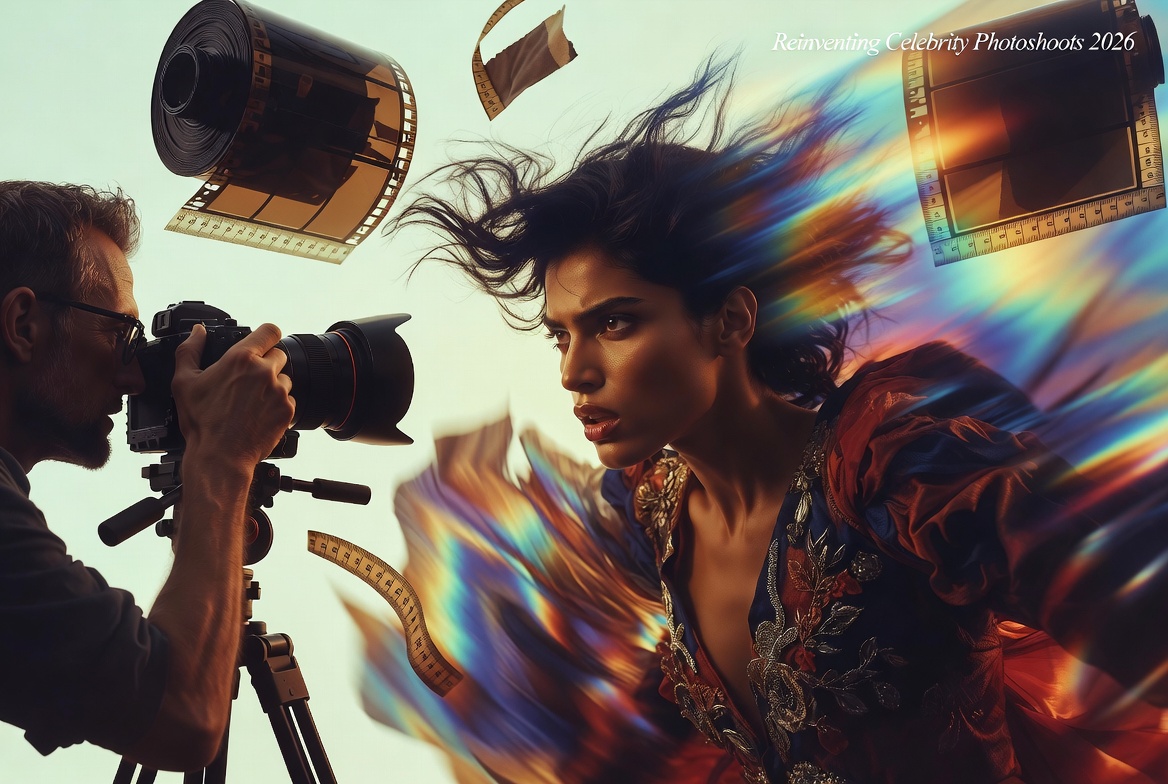
This aesthetic is often enhanced by a return to analog sensibilities. Film grain, muted tones, and soft contrasts lend a sense of nostalgia, even when captured digitally. The influence of vintage photography is evident, yet it is reinterpreted through a modern lens—one that values mood over precision.
Minimalism, too, plays a role. Stripped-back settings allow the subject’s personality to take center stage, while subtle styling ensures that the focus remains on expression rather than excess. And when boldness is required, it comes through deliberate choices—dramatic lighting, unexpected angles, or striking color contrasts—rather than heavy-handed editing.
Technology Meets Authenticity
The tools of photography are evolving, but their purpose is being redefined. Hybrid techniques—combining film and digital, still imagery and motion, or even AI-assisted editing—are becoming more common. Yet the emphasis remains firmly on authenticity.

Technology, in this context, is not about creating illusions but enhancing reality. Subtle adjustments refine an image without erasing its essence. The goal is not perfection, but truth—however complex or imperfect that truth may be.
A Cultural and Collaborative Shift
Another defining feature of modern celebrity photography is its collaborative nature. Today’s shoots are rarely dictated solely by photographers or brands. Celebrities themselves play an active role, bringing personal narratives, cultural references, and social causes into the creative process.
This shift is particularly evident in diverse markets like India. In cities such as Mumbai, fashion photography is increasingly influenced by local aesthetics—whether it’s the intricate elegance of traditional textiles or the vibrant energy of urban street culture. Regional identities are not just acknowledged; they are celebrated and reimagined.
Even smaller cultural hubs, including Lucknow, are contributing to this visual evolution. Nawabi influences, heritage crafts, and contemporary youth culture are finding their way into editorial shoots, creating a fusion of old and new that feels uniquely Indian yet globally relevant.
Sustainability, too, has entered the frame. Many photographers are aligning their work with eco-conscious narratives, showcasing upcycled fashion, ethical production, and mindful consumption. In doing so, they reflect a broader cultural shift toward responsibility and awareness.
The Challenge of Standing Out
In a world flooded with images, innovation is no longer optional—it is essential. Social media platforms have democratized visibility, but they have also intensified competition. For photographers, the challenge lies in creating work that cuts through the noise without losing depth or authenticity.
This pressure has led to a constant push for experimentation. New visual languages are emerging, shaped by cross-disciplinary influences and global collaboration. Yet the most successful images are those that strike a balance—combining technical excellence with emotional resonance.
The Future of the Frame
As 2026 unfolds, one thing is clear: the role of the fashion photographer is evolving. No longer just image-makers, they are storytellers, collaborators, and cultural commentators. Their work shapes how we see not only celebrities, but also ourselves—our identities, our aspirations, and our relationship with beauty.
From the thoughtful, identity-driven portraits of Tyler Mitchell to the surreal cinematic visions of Nadia Lee Cohen, the spectrum of expression continues to expand. What unites these diverse approaches is a shared commitment to authenticity—an understanding that the most compelling images are those that feel true.
The traditional boundaries between runway, red carpet, and editorial studio are dissolving. In their place is a fluid, dynamic space where fashion, art, and storytelling intersect. Here, the camera is not just a tool but a medium of exploration—a way to capture the many facets of human experience.
A New Visual Era
Ultimately, the reinvention of celebrity photography reflects a broader cultural moment. In an age defined by curated perfection, there is a growing hunger for images that reveal rather than conceal. Audiences want to see vulnerability alongside glamour, individuality alongside style.
And photographers are answering that call.
They are rewriting the script—frame by frame—transforming the celebrity photoshoot into something richer, more nuanced, and infinitely more human. In doing so, they are not just capturing images; they are shaping the visual language of a generation.
The result is a new kind of glamour—one that doesn’t rely on perfection, but on presence. One that doesn’t distance, but connects. And one that ensures the most powerful stories are not just seen, but felt.