Dalhousie: Tucked away in the scenic folds of the Chamba district, the charming hill station of Dalhousie unfolds like a timeless retreat. Perched at an altitude of around 1,970 meters and spread gracefully across five hills—Terah, Bakrota, Bangor, Potreyn, and Kathlog—Dalhousie offers a rare blend of colonial elegance and unspoiled Himalayan beauty. With its pine-scented air, sweeping views of the Pir Panjal range, and a pace of life that encourages stillness, it is a destination that invites you to slow down and simply breathe.
Echoes of the Raj
Founded in 1854 by Lord Dalhousie as a summer sanctuary for British officials, Dalhousie retains much of its colonial-era charm. Walk through its quiet lanes and you’ll find echoes of a bygone time—Victorian bungalows, Scottish-style churches, and moss-covered stone walls that seem to whisper stories of the past.
Landmarks like St. John’s Church and St. Francis Church stand as elegant reminders of this heritage, their Gothic architecture contrasting beautifully with the rugged Himalayan landscape. Yet, beyond its colonial imprint, Dalhousie has evolved into a cultural mosaic, enriched by local Himachali traditions and the influence of nearby Tibetan communities.
Nature’s Grand Canvas
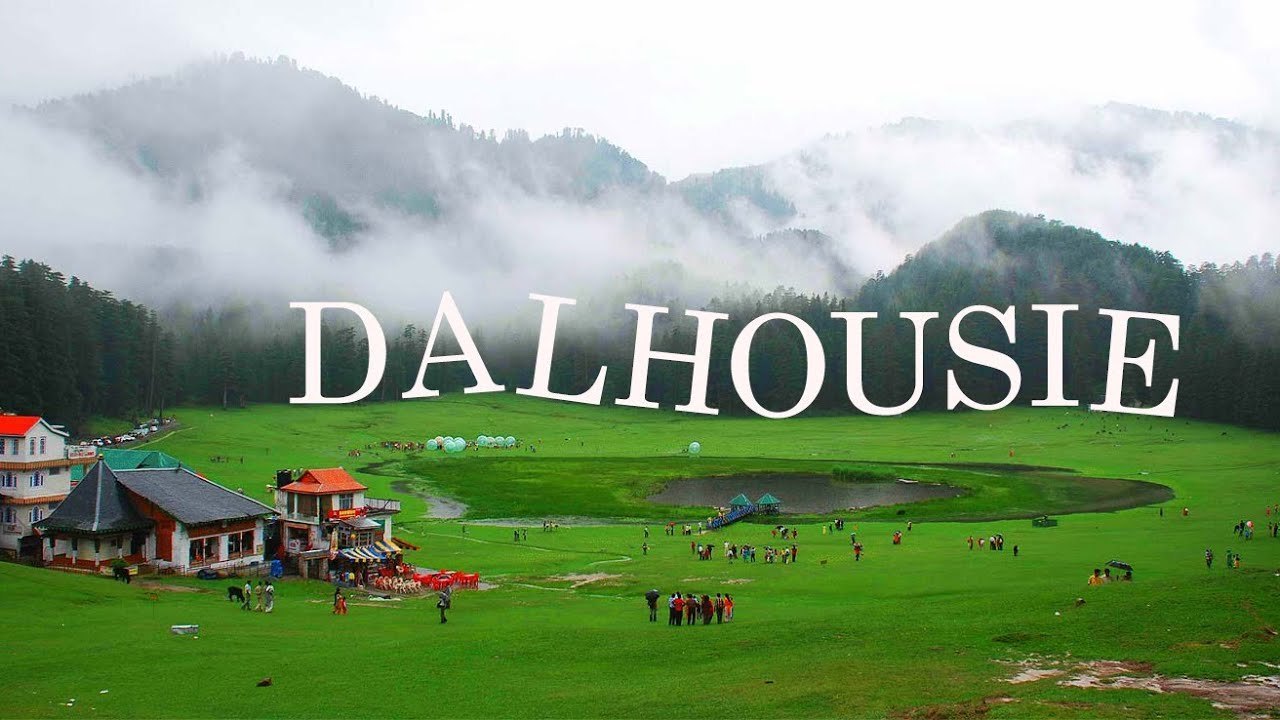
Dalhousie’s true allure lies in its landscapes—vast, serene, and endlessly captivating. Just a short drive away is Khajjiar, often called the “Mini Switzerland of India.” Here, rolling green meadows, a tranquil lake, and dense deodar forests create a picture-perfect setting that feels almost surreal. Whether it’s a quiet picnic, a horseback ride, or simply lying back to watch the clouds drift by, Khajjiar is pure mountain magic.
For those drawn to higher vantage points, Dainkund Peak—the highest point in the region—offers panoramic views of valleys and snow-draped peaks. Known as the “Singing Hill,” the wind here hums softly through the trees, adding a poetic dimension to the experience. A moderate trek leads to the summit, rewarding visitors with breathtaking vistas.
Equally enchanting is the Kalatop Wildlife Sanctuary, a dense forest reserve where nature thrives undisturbed. Trails wind through towering deodar trees, offering glimpses of Himalayan wildlife and moments of quiet solitude. Nearby, the historic Kalatop Temple adds a touch of spirituality to the wilderness.
Closer to town, Panchpula charms visitors with its cascading streams and rustic bridges, while Chamera Lake provides a serene setting for boating and lakeside relaxation.
Walks, Springs, and Stories
Dalhousie is best experienced on foot. Trails like Garam Sadak offer peaceful walks shaded by thick forests, with uninterrupted views of the mountains. At Subhash Baoli, a quiet spring surrounded by greenery, history and tranquility converge—this is where Subhas Chandra Bose once spent time in meditation.
Waterfalls like Satdhara Falls, believed to have medicinal properties, add to the town’s natural charm, offering refreshing pauses during exploration.
Culture in the Hills
Life in Dalhousie moves at an unhurried rhythm. The town’s social heart lies around Gandhi Chowk and Mall Road, where colonial facades meet bustling local markets. Here, shopkeepers offer woolens, handicrafts, and Tibetan curios, while cafés and tea stalls invite you to linger a little longer.

The cultural fabric is a blend of Himachali traditions and Tibetan influences, reflected in local festivals, crafts, and everyday life. For those keen to explore further, nearby Chamba offers a deeper dive into the region’s Pahari heritage, temples, and art.
Flavours of the Mountains
Dalhousie’s cuisine is hearty, comforting, and deeply rooted in the hills. Local dishes like Madra, Sidu, and Babru offer rich, earthy flavors, while Tibetan-inspired momos add a familiar yet delightful twist. Fresh trout, rajma, and seasonal vegetables feature prominently, often served in simple yet satisfying meals.
From roadside dhabas to cozy hotel restaurants, dining here is less about extravagance and more about warmth—best enjoyed with a steaming cup of chai overlooking misty valleys.
Planning Your Escape
Reaching Dalhousie involves a journey as scenic as the destination itself. The nearest airport is Gaggal Airport, while Pathankot Railway Station serves as the closest railhead. From there, winding mountain roads lead you into the heart of the Himalayas.
Getting around is easiest by taxi or on foot in central areas, while short treks and drives open up nearby attractions. The best time to visit is between March and June for pleasant weather, or October to February for a chance to experience snowfall. Monsoon months bring lush greenery but require caution due to landslides.
Accommodation ranges from heritage hotels echoing colonial grandeur to modern resorts and intimate guesthouses tucked into the hills.
The Quiet Allure of Dalhousie
What sets Dalhousie apart is its gentle charm. It does not overwhelm with spectacle but instead reveals itself slowly—in the rustle of deodar leaves, the distant call of birds, the play of light on mountain peaks.
Here, time seems to stretch, inviting reflection and rest. Whether you’re wandering through colonial lanes, gazing across the Pir Panjal range, or simply sitting in silence with a view, Dalhousie offers something increasingly rare: the luxury of peace.