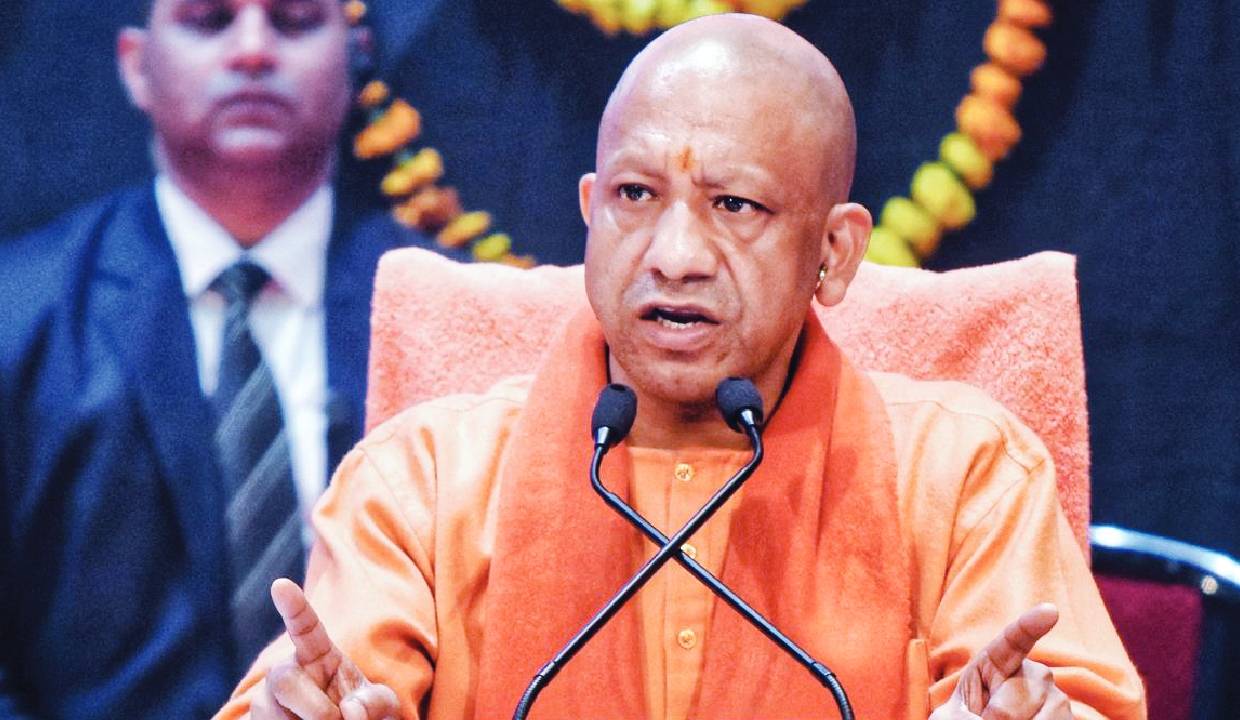
Lucknow: Over the past nine years, Uttar Pradesh has witnessed a significant transformation in governance and public service delivery under the leadership of Chief Minister Yogi Adityanath. With a strong focus on “good governance,” the state has made notable strides in improving the “ease of living” for its citizens through expansive reforms in healthcare, education, social security, skill development, and digital services.
Government data and scheme outcomes reflect a structural shift—one where access to basic amenities has expanded, service delivery has become more transparent, and reliance on migration for essential needs like healthcare and education has reduced considerably.
Healthcare Expansion: From Scarcity to Access
The healthcare sector has undergone one of the most visible transformations since 2017. From a system once marked by limited infrastructure and uneven access, Uttar Pradesh now boasts a rapidly expanding network of medical institutions.
The number of government medical colleges in the state has risen to 81, with the ambitious “One District One Medical College” initiative ensuring that each district is equipped with advanced healthcare facilities. Currently, the state offers around 13,600 MBBS seats and 6,866 postgraduate seats, strengthening both service delivery and medical education.
Flagship schemes like Ayushman Bharat Yojana have further enhanced access to healthcare. In Uttar Pradesh alone, approximately 5.64 crore beneficiaries have been issued Golden Cards, enabling them to avail free treatment of up to ₹5 lakh per family annually.
This expansion has significantly reduced the need for residents to travel outside the state for quality treatment, marking a major improvement in healthcare accessibility.
Education Reforms and Digital Push
In education, systemic reforms have focused on improving infrastructure and integrating technology. Under the “Operation Kayakalp” initiative, more than 1.32 lakh government schools have been upgraded with 19 essential facilities, including sanitation, electricity, and drinking water.
Direct Benefit Transfer (DBT) has streamlined financial support for students, with over 1.30 crore beneficiaries receiving funds directly into their bank accounts for uniforms, shoes, and school bags. This has reduced leakages and ensured timely assistance.
Digital education has also gained momentum, with thousands of schools now equipped with smart classrooms and ICT labs, enabling students to access modern learning tools.
Skill Development and Employment Linkages
Skill development has emerged as a key pillar in the state’s economic strategy. Through the Uttar Pradesh Skill Development Mission, nearly 26 lakh youth have received vocational training, equipping them with industry-relevant skills.
The “One District One Product” (ODOP) initiative has complemented this effort by promoting local industries and encouraging self-employment among artisans and entrepreneurs. Together, these programs have created new pathways for employment while reducing dependency on traditional job markets.
Strengthening Social Security Nets
A major driver of improved living standards has been the expansion of social security schemes. Currently, around 67.50 lakh elderly citizens, 26.81 lakh destitute women, and 11.57 lakh persons with disabilities are receiving pensions.
Importantly, the pension amount has been increased from ₹300 to ₹1,000 per month, with plans to raise it further to ₹1,500 from April 2026, offering greater financial stability to vulnerable groups.

Housing initiatives have also made a substantial impact. Over 62 lakh houses have been provided to economically weaker sections, ensuring shelter security. Additionally, free ration distribution to nearly 15 crore beneficiaries has strengthened food security across the state.
Under the Pradhan Mantri Ujjwala Yojana, around 1.86 crore families have received free LPG connections, improving health outcomes and reducing dependence on traditional fuels.
A notable governance reform has been the expansion of DBT systems, through which benefits of 191 schemes across 31 departments are being directly transferred to beneficiaries—ensuring transparency, efficiency, and accountability.
Women Empowerment: A Key Focus Area
Women-centric schemes have delivered measurable outcomes. The Mukhyamantri Kanya Sumangala Yojana has benefited over 26.81 lakh girls, while the Pradhan Mantri Matru Vandana Yojana has supported nearly 60 lakh mothers.
Mass marriage initiatives under the Mukhyamantri Samuhik Vivah Yojana have facilitated the weddings of over 5.20 lakh women, easing financial burdens on families.
The rural livelihood mission has connected over 1.06 crore women to self-help groups, fostering financial independence. Notably, 18.55 lakh women have reached the “Lakhpati” category, reflecting rising incomes and entrepreneurial success.
Digital Governance: Efficiency and Accessibility
Digital transformation has played a crucial role in enhancing service delivery. Platforms like the e-Sathi App now offer more than 24 government services online, reducing the need for physical visits to offices.
Connectivity infrastructure has also expanded. Optical fiber networks have been extended to over 2,000 gram panchayats, while broadband connectivity is being rolled out to 20 lakh households under Project Ganga. These initiatives are not only improving digital access but also generating employment, with around 10,000 jobs created so far.
A New Benchmark in Governance
The cumulative impact of these initiatives is evident in the improved quality of life across Uttar Pradesh. Access to healthcare, education, housing, food, and digital services has become more widespread and efficient, significantly reducing the time, cost, and effort required by citizens.
The state’s governance model increasingly reflects a shift toward transparency, accountability, and citizen-centric service delivery. For millions of residents, the improvements are tangible—better infrastructure, quicker services, and greater economic stability.
Nine years of governance under Yogi Adityanath have redefined the development narrative of Uttar Pradesh. By placing “ease of living” at the center of policymaking, the government has created a framework where growth is not just measured in economic terms but in everyday improvements in people’s lives.
As the state moves forward with its broader economic ambitions, the focus on inclusive development, digital empowerment, and social security is likely to remain central—positioning Uttar Pradesh as a model of governance-driven transformation in India.