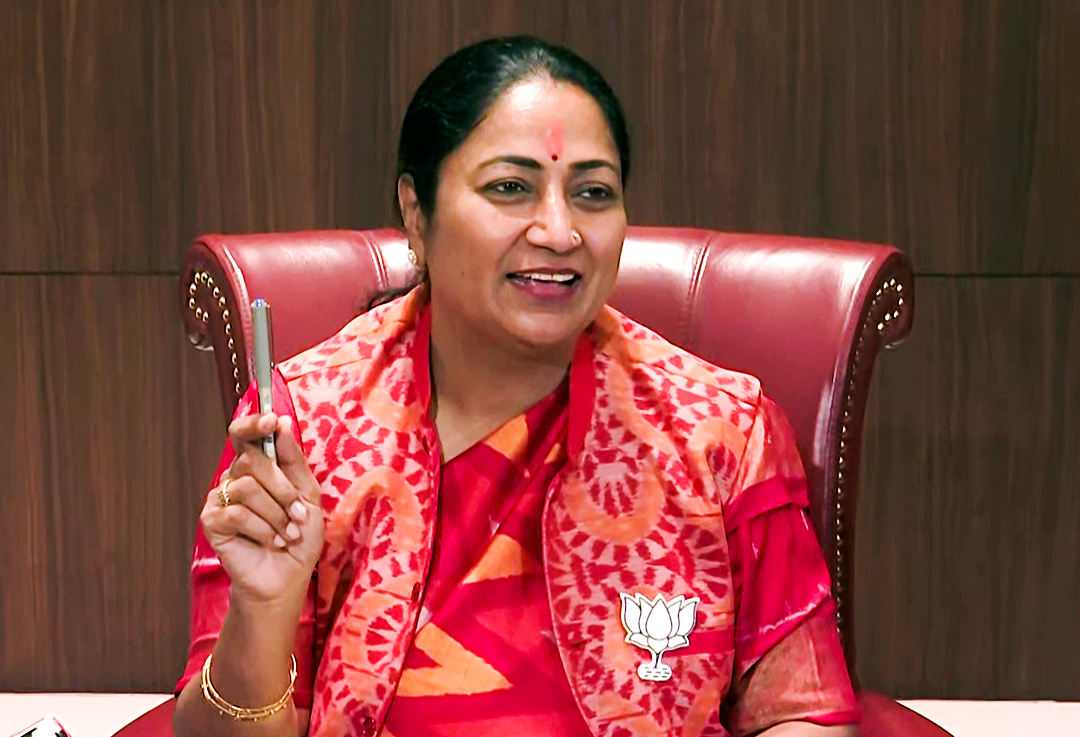
New Delhi: Delhi’s Bharatiya Janata Party (BJP) government, led by Chief Minister Rekha Gupta, recently completed its first year in office, and while there have been some tangible achievements, the capital continues to face significant challenges. With a long list of electoral promises, much work remains to be done to meet public expectations.
Key Achievements in the First Year
Over the past year, the government has laid foundational work in multiple sectors:

-
Healthcare: 370 Ayushman Arogya Mandirs (dispensaries) were established, with a target of reaching 1,100 in the coming year.
-
Food Security: 71 Atal Canteens have been set up, providing affordable meals at ₹5, serving approximately 71,000 people daily.
-
Utilities and Infrastructure: Steps have been taken to improve water supply, electricity, public transport, and sewage management. Work is ongoing to clean the Yamuna River, upgrade 28 out of 37 sewage treatment plants, and construct 12 new plants.
-
Employment and Wages: Delhi now has the country’s highest minimum wage at ₹22,411 per month.
-
Women’s Welfare: 500 childcare centers have been opened, and a ₹2,500 monthly pension scheme for women is being planned under the Mahila Samriddhi Yojana.
-
Public Transport & EV Policy: More than 4,000 e-buses are operational, supported by over 9,000 charging stations. Efforts are underway to extend public transport to Delhi’s farthest corners, including new phases of the Delhi Metro and NamO Bharat Rail.
Ground Realities and Remaining Challenges
Despite these steps, Delhi continues to grapple with structural and societal challenges:

-
Population Pressure: With an annual population increase of around 500,000, Delhi faces enormous pressure on its limited land and infrastructure.
-
Pollution & Environmental Concerns: Air pollution remains a major challenge, alongside ongoing work to clean the Yamuna.
-
Traffic Congestion: Even with metro expansion and new peripheral roads, vehicular congestion on Delhi’s streets remains high.
-
Education & Healthcare: While private school fee regulation and student scholarships have been implemented, expanding educational institutions and hospital capacity remains a pressing task.
-
Public Services: Ensuring sufficient water, electricity, and sanitation services continues to test the government’s administrative capacity.
The Road Ahead
The BJP government in Delhi inherited a complex legacy. Previous administrations, including the long tenures of Congress under Sheila Dikshit and the Aam Aadmi Party’s decade-long governance, established critical infrastructure but also left structural and social challenges unresolved. Rekha Gupta’s government must now navigate Delhi’s unique multi-tier governance system, population growth, and high public expectations.
Political analysts note that while the government has demonstrated early efforts in health, welfare, and public transport, its real test will be delivering tangible results across pollution control, urban planning, and citizen services. Success in these areas will determine whether the BJP can establish a durable governance model in Delhi beyond its first year.
In the words of observers, “A year of announcements is over; now comes the era of execution.” The government must translate initiatives into visible improvements to secure public trust and ensure Delhi’s growth trajectory aligns with the city’s ambitions for modern infrastructure, cleaner air, and inclusive development.




 ---------------------------------------------------------------------------------------------------