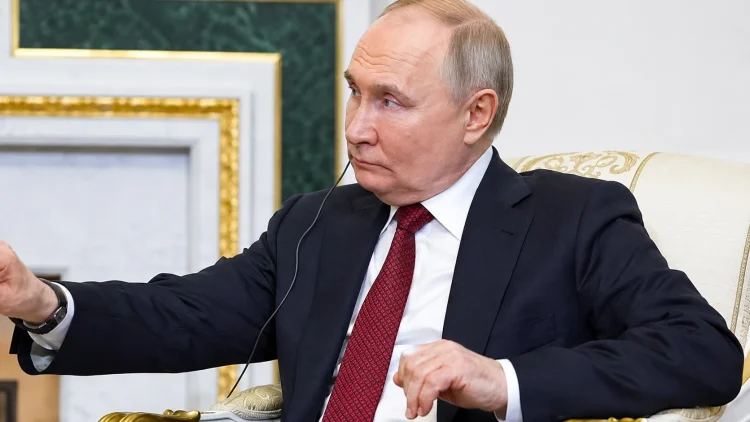
Moscow: Russian President Vladimir Putin’s meeting with senior Iranian security official Mohsen Rezaei at the Kremlin has brought renewed attention to the strategic relationship between Moscow and Tehran amid continuing tensions surrounding the Iran conflict.
The meeting was reported by Iranian state broadcaster SNN TV and Russian news agency Interfax. It represents another high-level diplomatic engagement between the two countries at a time of growing geopolitical uncertainty.
Rezaei was identified in the report as Secretary of Iran’s Supreme National Security Council. However, no detailed official account of the discussions or announcement of a specific agreement was immediately available.
The engagement nevertheless underlines the importance both governments attach to maintaining direct communication on regional and international developments.
Moscow and Tehran Maintain Strategic Contacts
Russia and Iran have strengthened their political and security engagement in recent years, with shared regional interests and opposition to several Western policies shaping their relationship.
International sanctions, regional conflicts and shifting diplomatic alignments have further increased the significance of their bilateral ties.
Putin’s interaction with the Iranian representative comes as the Middle East remains a major focus of international diplomacy, particularly amid concerns over the wider consequences of the Iran conflict.
Iran Conflict Fuels Political Debate in Washington
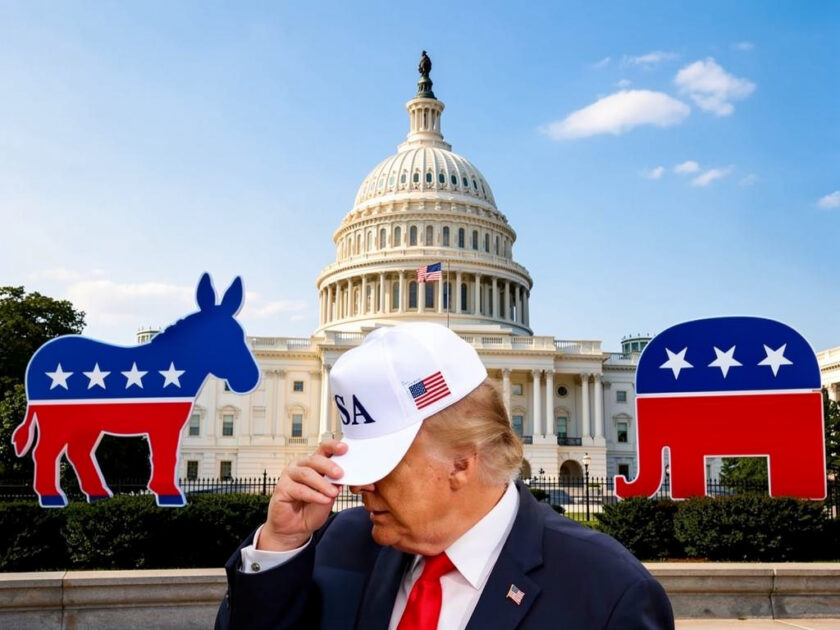
The meeting also comes amid growing political debate in the United States over the administration’s handling of the conflict.
According to the supplied report, the 2026 midterm election results have dealt a setback to the Republican Party, increasing scrutiny of President Donald Trump’s foreign policy and military decisions.
The economic consequences of the conflict, including rising fuel prices and concerns over household expenses, have emerged as important issues in the domestic political debate.

Trump has defended the administration’s approach, arguing that preventing Iran from acquiring nuclear weapons remains a key national security objective despite short-term economic challenges.
Hegseth Faces Criticism Over War Strategy
US Secretary of War Pete Hegseth has also faced criticism over the handling of the Iran conflict, with some voices calling for changes in the administration’s military leadership.
Trump has publicly backed Hegseth, indicating that he intends to retain him in the position.
Vice President JD Vance and other administration figures have also faced questions about the political and economic consequences of the military campaign.
Tehran Criticises US Approach
Iranian chief negotiator Mohammad Bagher Ghalibaf has criticised Washington’s approach to the conflict, reflecting the continuing diplomatic divide between the two countries.
Against this backdrop, Moscow’s continued engagement with Tehran assumes added significance. Russia’s diplomatic relationship with Iran could influence discussions on regional security and the broader international response to the conflict.
Diplomatic Significance
Putin’s meeting with the Iranian security representative highlights the continuing importance of Russia-Iran relations during a period of heightened international tensions.
While the precise agenda and outcomes of the Kremlin discussions remain undisclosed, the engagement demonstrates that both countries are maintaining high-level diplomatic communication.
Developments in Moscow-Tehran relations, alongside Washington’s evolving political and military calculations, are likely to remain important factors shaping the geopolitical situation in the coming months.







 https://www.youtube.com/watch?si=RtToJsBhYBatUrym&v=mOuYNSdhjHA&feature=youtu.be