
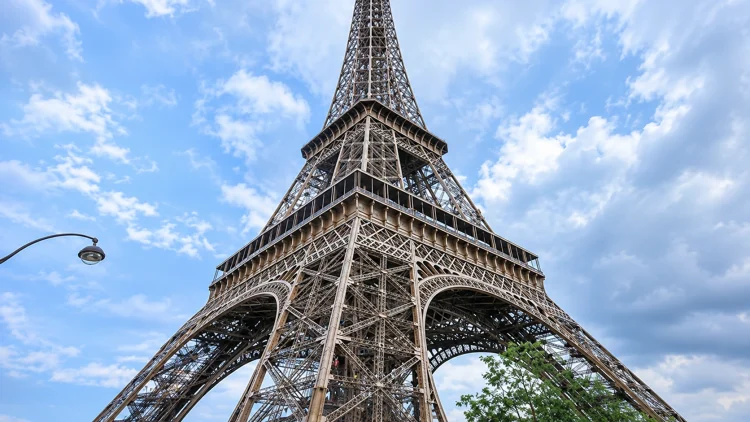
Paris: France witnessed widespread industrial action on Thursday, November 5, as strikes and demonstrations disrupted public services across the country. The Eiffel Tower in Paris was temporarily closed to visitors, reflecting the scale of the nationwide unrest.
The closure was announced on the monument’s official website as workers from different sectors joined protests demanding better wages, improved purchasing power and changes to government budget policies.
The demonstrations have brought education, public administration and other essential services under pressure, highlighting growing dissatisfaction over economic conditions and public-sector working arrangements.
Schools and Universities Face Disruptions
The education sector experienced significant disruption during the strike. According to figures reported by French broadcaster BFM TV, nearly 16 per cent of teachers participated in the industrial action.
Around 60 of France’s 184 higher education institutions also reported interruptions to their normal functioning.
The protests, initially driven largely by students and education-related concerns, have gradually attracted wider participation from teachers, university employees and public-sector workers.
Demonstrators have raised concerns over overcrowded classrooms, teacher shortages and difficulties faced by students seeking admission to universities.
Civil Servants Demand Higher Salaries
Data from France’s Ministry of Public Action and Accounts indicated that approximately 10 per cent of state civil servants joined the strike.
Employees are seeking salary improvements and measures to protect their purchasing power amid rising household expenses.
Workers have argued that their incomes are struggling to keep pace with the cost of essential goods, transportation and fuel. The latest demonstrations have therefore become an expression of broader economic concerns extending beyond individual workplaces.
2027 Budget Dispute Intensifies Unrest
Political disagreements over the government’s proposed 2027 budget have further fuelled tensions.
French lawmakers rejected a key component of the proposed legislation, adding uncertainty to the government’s financial planning and negotiations with various stakeholders.
The budget proposal is now expected to proceed to the Senate, where a vote is scheduled for December 9. A joint parliamentary committee is subsequently expected to work towards a compromise before the legislation returns to the National Assembly.


The outcome of these discussions could influence the government’s response to demands from public employees and other protesting groups.
Student Movement Expands Across Sectors
The current wave of demonstrations began several weeks ago, with student protests emerging in September.
Initially, the movement focused on challenges within the education system, particularly overcrowded classrooms, inadequate staffing and difficulties in accessing higher education.
Trade unions subsequently joined the campaign, broadening its focus to include wages, living costs and rising fuel prices.
The involvement of workers from multiple sectors has transformed the protests into a wider campaign reflecting economic and social dissatisfaction.
Heavy Security Deployment
French authorities introduced extensive security arrangements ahead of the demonstrations.
Interior Minister Laurent Nunez said more than 70,000 police and security personnel had been deployed across the country to maintain public order and prevent possible incidents.
Security agencies had reportedly warned of potential disturbances and vandalism involving certain groups. Authorities sought to ensure the safety of demonstrators while protecting public property and minimising disruption.
Government Faces Growing Public Pressure
The November 5 strike has highlighted the challenges confronting the French government as it deals with demands for better wages, concerns over education and disagreements surrounding public finances.
The coming weeks will be crucial as parliamentary discussions on the 2027 budget continue and trade unions assess their next steps.
Although negotiations could provide an opportunity to address some of the demands, the scale of participation indicates that economic and social concerns remain significant.
The closure of the Eiffel Tower, alongside disruptions to schools, universities and government services, has emerged as a visible reminder of the impact of France’s nationwide industrial action.








 https://www.youtube.com/watch?si=RtToJsBhYBatUrym&v=mOuYNSdhjHA&feature=youtu.be