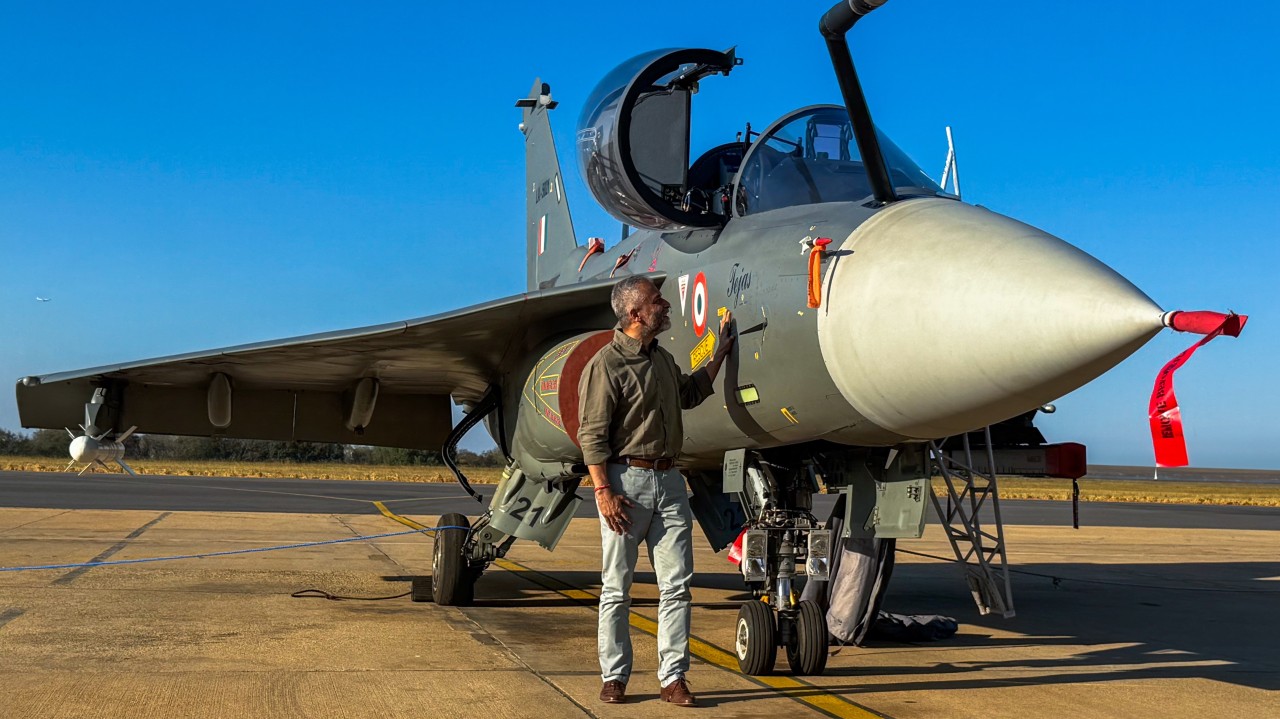
New Delhi: India’s indigenous fighter aircraft programme has come under renewed focus after reports confirmed that Hindustan Aeronautics Limited (HAL) has yet to deliver a single TEJAS MK-1A fighter to the Indian Air Force (IAF), despite having both engines and multiple completed airframes available in inventory.
The delay has intensified concerns over production management, certification timelines, and operational preparedness at a time when the IAF continues to grapple with declining squadron strength.
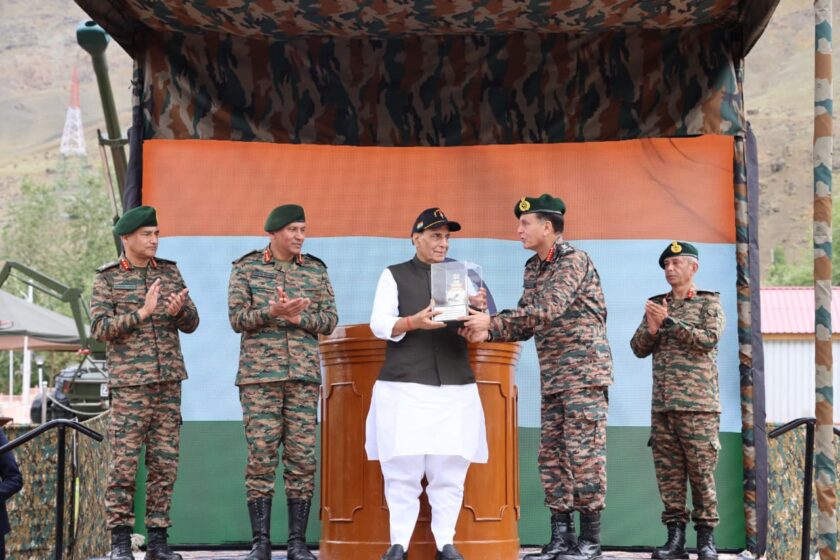
The TEJAS MK-1A programme was originally expected to begin deliveries in early 2024. However, disruptions in engine supply, software integration challenges, and ongoing weapons validation trials have repeatedly pushed the schedule forward. Although Defence Minister Rajnath Singh formally flagged off the first TEJAS MK-1A aircraft at Nashik in October 2025, operational handovers to the Air Force have still not taken place.
HAL officials maintain that the situation is not due to a lack of manufacturing progress. According to the company, five aircraft are structurally complete and fully integrated, while several additional airframes have already undergone flight testing and are awaiting engine installation. The company has reportedly received six GE F404 engines, with more expected in the coming months.
HAL believes that once engine deliveries stabilise, aircraft production and deliveries can accelerate rapidly. However, the Indian Air Force has stressed that physical completion alone is insufficient for induction into service. Every aircraft must meet stringent combat-readiness standards, including validation of radar systems, weapons integration, avionics, and electronic warfare capabilities.
Certification remains one of the biggest obstacles. The Centre for Military Airworthiness and Certification (CEMILAC) must clear all mission systems and software before the aircraft can formally enter operational service. Integrated weapons trials are still underway, and defence analysts believe the certification process may extend well into mid-2026 if additional technical issues emerge during evaluation.
The delay is particularly significant because the TEJAS MK-1A forms a critical part of the IAF’s long-term modernisation strategy. The Air Force is counting on the fleet of 83 aircraft to replace ageing fighters and reduce dependence on imported combat platforms. With retirements continuing to outpace inductions, every postponement adds further strain on existing squadrons and operational planning.

Industry observers have also pointed to the financial and logistical implications of maintaining a growing inventory of unfinished aircraft and engines without corresponding deliveries. In global aerospace manufacturing, such bottlenecks often trigger scrutiny over production sequencing, supply-chain coordination, and programme execution.
The issue arrives at a crucial moment for HAL, whose order book now exceeds ₹1 lakh crore. The company is simultaneously handling multiple high-profile programmes, including the TEJAS Mk2 and the Advanced Medium Combat Aircraft (AMCA), while attempting to meet the immediate operational needs of the Air Force.
For HAL Chairman and Managing Director Ravi Kota, the TEJAS MK-1A rollout is emerging as a major leadership test. Widely associated with India’s Light Combat Aircraft programme, Kota is expected to demonstrate that HAL can transition from developmental success to efficient large-scale production and timely delivery.
The Indian Air Force, meanwhile, has reportedly made it clear that operational standards will not be relaxed. The service is insisting that the first batch of TEJAS MK-1A fighters must meet full combat capability benchmarks before induction.
The coming months are likely to prove decisive not only for HAL’s credibility, but also for the future momentum of India’s indigenous fighter aircraft ambitions.