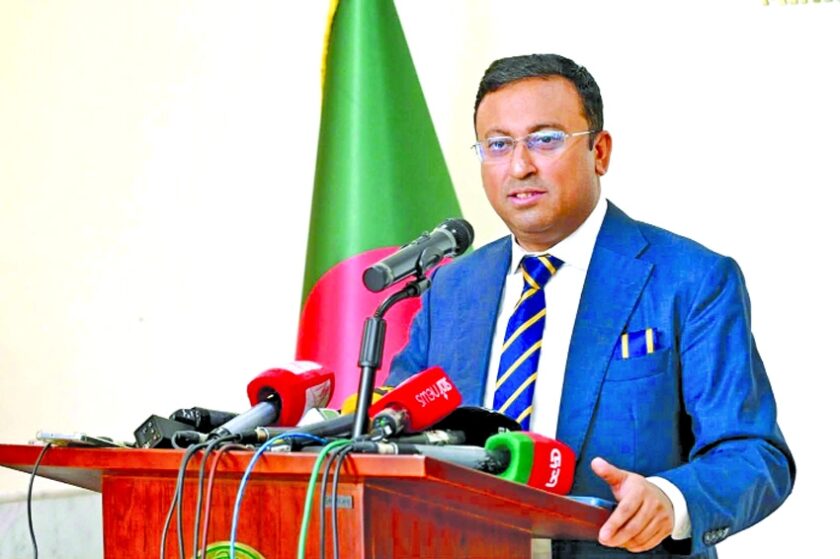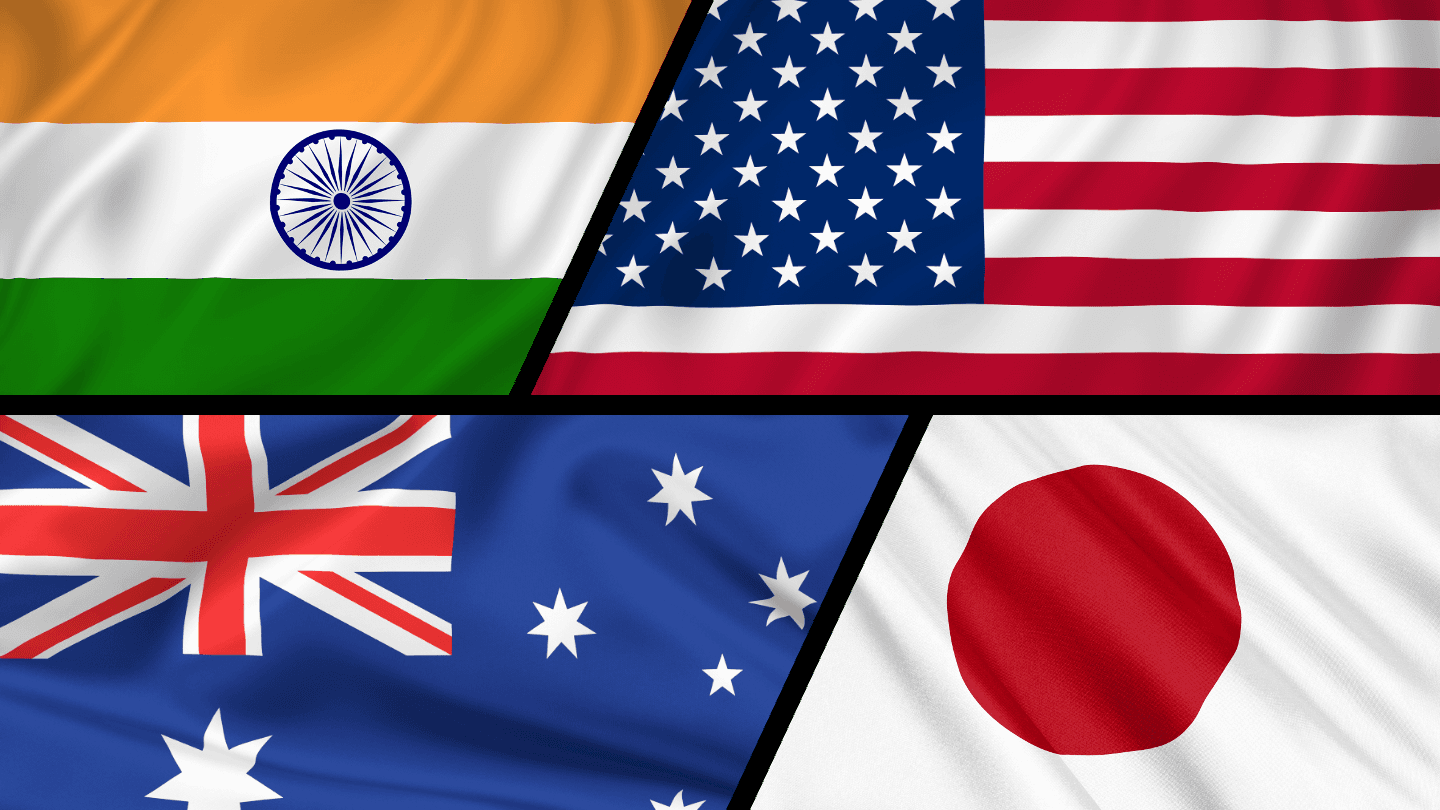
Washington: The Quad nations—comprising India, the United States, Japan, and Australia—are preparing for another crucial round of high-level diplomatic engagement, with their foreign ministers scheduled to meet in the Philippines within the next two weeks. United States Ambassador to India Sergio Gor announced the upcoming session during the U.S.-India Strategic Partnership Forum Leadership Summit. Highlighting the group’s steadfast commitment to bolstering peace, security, and prosperity across the Indo-Pacific, the ambassador noted that these discussions will follow the momentum established during the recent Quad Foreign Ministers’ Meeting in New Delhi. This diplomatic trajectory is set to continue with a subsequent ministerial gathering in Australia, alongside active planning for a future leaders’ summit that could potentially include a visit by U.S. President Donald Trump to India.
Maritime security stands at the forefront of the Quad’s immediate priorities as the four nations look to deepen stability by collaborating closely with regional partners. Building on initiatives launched in New Delhi, the partnership plans to support regional boat-building projects, including dedicated assistance for Fiji. This strategy aims to enhance localized maritime capabilities and ensure a reliable, rules-based presence in strategically vital areas of the Pacific. Ambassador Gor emphasized that Washington intends to continually expand its cooperation with countries that share these core values, explicitly identifying India as one of America’s closest and most dependable partners in the region.

Addressing speculation regarding the bilateral relationship, the ambassador firmly rejected claims that defense ties between India and the United States have weakened, asserting instead that military cooperation is stronger than ever. India currently conducts more military exercises with the United States than with any other nation, a bond characterized by near-monthly joint activities, personnel visits, training programs, and operational exchanges. Highlighting this continuous momentum, a delegation from the Indian Navy is scheduled to visit the United States within the next two weeks to advance ongoing defense engagements.

Washington’s strategic vision treats the partnership with India as a cornerstone of Indo-Pacific stability, with collaboration extending far beyond traditional defense into critical areas like advanced technology, supply chain resilience, and cybersecurity. While the Quad does not function as a formal military alliance, its role has expanded significantly through synchronized leaders’ summits, foreign ministers’ meetings, and the annual Malabar naval exercise. By broadening its scope to encompass vaccine partnerships, technological integration, and enhanced maritime domain awareness, the Quad continues to solidify its position as a primary vehicle for addressing complex regional challenges and ensuring a free, open, and inclusive Indo-Pacific.




 ---------------------------------------------------------------------------------------------------