Tehran: The assassination of Ayatollah Ali Khamenei, Iran’s Supreme Leader for more than 36 years, occurred on Saturday, February 28, 2026, at approximately 9:40 a.m. Tehran time (06:10 GMT). Conducted through a coordinated military operation by the United States and Israel, the strike killed Khamenei, multiple senior Iranian officials, members of his family and inner circle, and key military commanders. Analysts describe the operation as a decisive effort to decapitate Iran’s leadership and shift the strategic balance in a region already fraught with tension.
Khamenei, aged 86 at the time of his death, had ruled Iran since June 4, 1989. He shaped Iran’s domestic and foreign policy through religious authority, political maneuvering, and control over the Islamic Revolutionary Guard Corps (IRGC). Under his leadership, Iran expanded its support for proxy militias across Lebanon, Syria, Iraq, and Yemen, pursued nuclear ambitions, and suppressed internal dissent. Khamenei had previously survived an assassination attempt in June 27, 1981, which left his right arm paralyzed. His death in 2026 represents the culmination of decades of strategic efforts by Israel and the United States, constrained previously by operational risks and Khamenei’s underground movements during earlier conflicts, including the Twelve-Day War in August 2025.

Years of Planning: Intelligence and Operational Preparation
The operation was not impulsive but built on decades of Israeli intelligence gathering, particularly by Mossad, with U.S. intelligence intensifying in the months leading up to February 2026. Israeli surveillance focused on Khamenei’s movements, residences, and security routines, complemented by cyber operations penetrating Iranian networks.
A critical breakthrough reportedly came from the compromise of Tehran’s traffic camera network in early 2022, which provided visual data on vehicle movements, security personnel habits, and routines within high-security areas. Analysts used this to build a detailed “pattern of life,” incorporating algorithmic analysis, signals intelligence (SIGINT), human sources (HUMINT), and hacked mobile networks.
In August 2025, during the Twelve-Day War, preliminary opportunities to target Khamenei were reportedly considered but postponed due to escalation risks. In late January 2026, intelligence analysts observed a rare convergence of Khamenei’s schedule: a high-level National Security Council meeting at a central Tehran compound was confirmed for Saturday morning, February 28, 2026, 8:00–10:00 a.m. IRST. This meeting included Khamenei, IRGC leadership, defense officials, and other senior figures—a narrow “window of opportunity” for a decapitation strike.
The U.S. CIA and Israeli intelligence coordinated closely during the six months preceding the strike, using satellite imagery, cyber reconnaissance, and electronic intercepts. U.S. President Donald Trump and Israeli Prime Minister Benjamin Netanyahu reportedly approved the mission on February 26, 2026, after receiving the final operational briefing.
Cyber Operations and Tactical Preparation
In the days leading up to the strike, U.S. cyber operators targeted Iranian communications, radar networks, and missile defense systems around Tehran to create a safe corridor for Israeli aircraft. Reports indicate that cyber disruption began at 7:45 a.m. IRST on February 28, disabling monitoring systems shortly before the aircraft departed. This ensured minimal interference and allowed the strike to proceed with surgical precision.
Execution: The 60-Second Strike
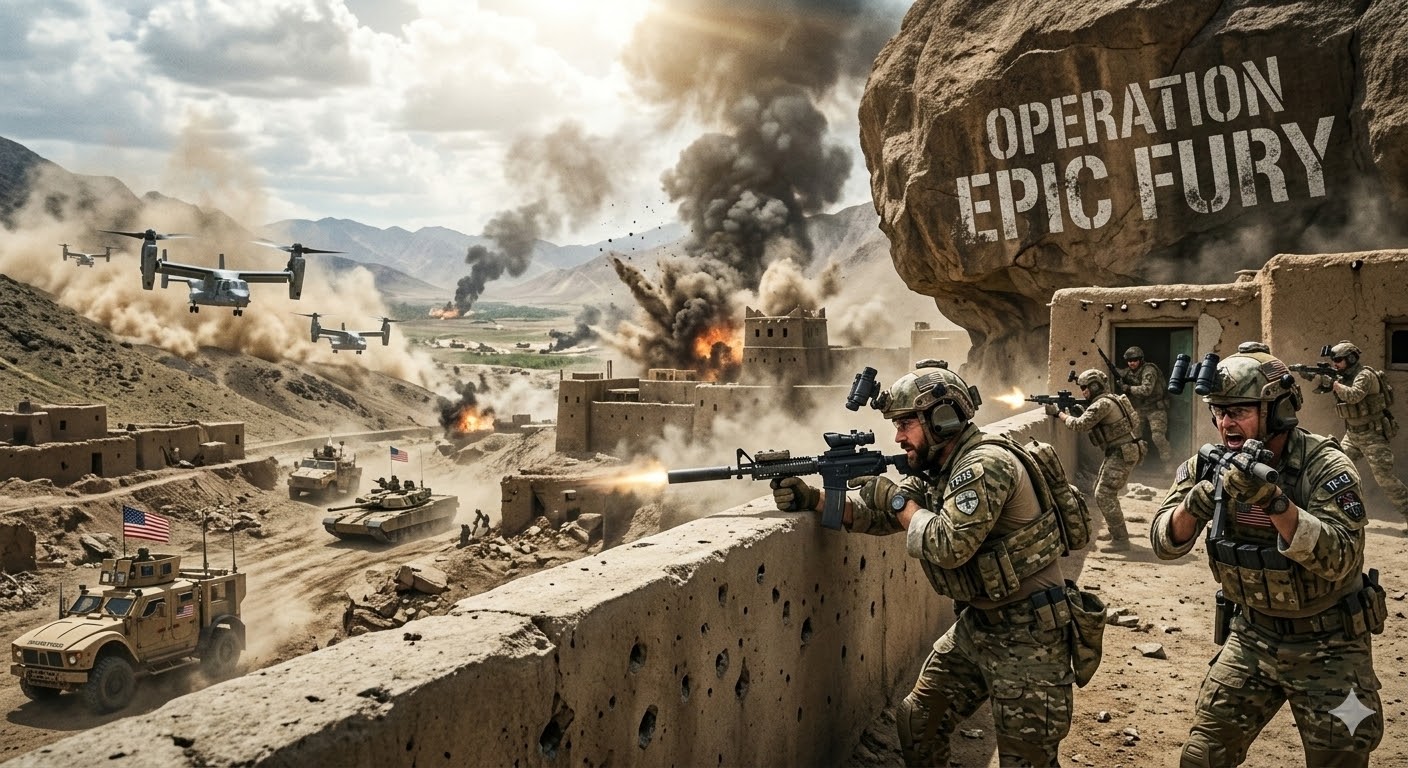
Israeli fighter jets took off from bases surrounding Tehran between 6:00 a.m. and 8:10 a.m. IRST. Precision munitions were pre-positioned for a strike coordinated with U.S. assets, including naval platforms and electronic warfare support. The operation, codenamed “Epic Fury”, began at 9:40 a.m. IRST (06:10 GMT).
Reports indicate that the strike lasted roughly 60 seconds, targeting the leadership compound and other strategic sites where senior officials were located. Highly precise munitions killed Khamenei and several family members early in the strike, followed by seven senior security officials and approximately 40 other top figures. The assault combined air power and preemptive electronic warfare, ensuring safe ingress and egress for aircraft.
Iranian state media confirmed Khamenei’s death on March 1, 2026, and satellite imagery revealed extensive destruction in central Tehran.
Immediate Aftermath: Political Vacuum and Retaliation
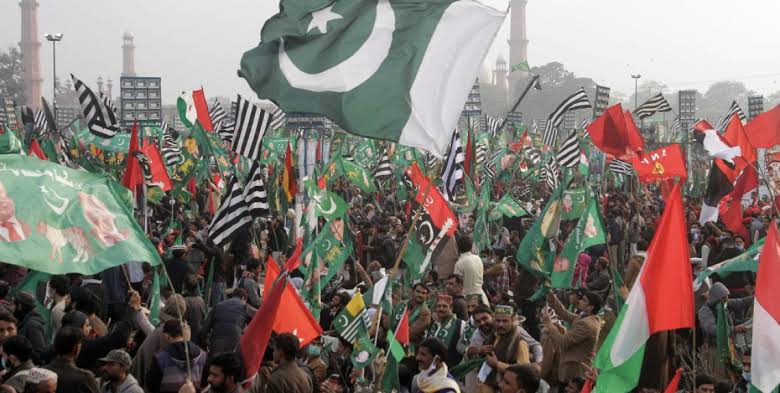
Khamenei’s death created an immediate leadership vacuum. The Assembly of Experts, responsible for appointing a successor, faces pressure amid potential internal power struggles. Analysts warn that the IRGC will play a decisive role in stabilizing or influencing the succession process.
Iran vowed retaliation, launching limited strikes on U.S. and Israeli assets in the region on March 2–3, 2026. Analysts predict escalated proxy engagements in Iraq, Syria, Lebanon, and Yemen in the weeks following the assassination.
International Reactions and Legal Debate
The strike triggered intense global debate over international law, state sovereignty, and targeted assassinations. Western powers, including France, Germany, and the United Kingdom, called for restraint and diplomacy. Russia and China condemned the operation as Western interventionism, using the incident to strengthen strategic ties with Tehran.

At the United Nations, emergency consultations began on March 2, 2026, with discussions focusing on legality, precedent, and regional stability. Critics warned that targeted killings of state leaders could normalize assassination as a foreign policy tool.
Strategic Implications for Energy and Global Markets
The assassination sent immediate shockwaves through global energy markets. Iran’s proximity to the Strait of Hormuz, a crucial chokepoint for roughly 20% of global oil, created fears of supply disruption. Analysts warned that any extended conflict could drive oil prices upward, affecting importers such as India, China, and European nations.
Gulf states, including Saudi Arabia, the UAE, and Qatar, adopted a cautious stance, prioritizing diplomacy over confrontation. Memories of the September 14, 2019 drone and missile attacks on Saudi oil facilities reinforced their desire for stability.
Humanitarian and Regional Implications
The crisis has broad humanitarian consequences. Millions of Indian expatriates reside in the Gulf, particularly in the UAE, Qatar, Oman, and Saudi Arabia. The Ministry of External Affairs issued advisories on February 29, 2026, warning citizens to avoid travel and remain vigilant. Evacuation operations, if needed, may mirror previous missions like Operation Rahat.
The Central Board of Secondary Education postponed Class 10 and 12 examinations in Middle Eastern countries on March 1, 2026, reflecting the impact on civilian life amid regional instability.
Risk of Wider Conflict
Iran retains substantial military capabilities, including ballistic missiles, drones, and regional proxy networks. Analysts caution that retaliatory actions could target Israel, U.S. forces, and critical maritime routes. Israel faces multi-front security challenges, while U.S. naval assets remain on high alert in the Persian Gulf.
The conflict’s trajectory depends on Iran’s leadership transition, the strategic objectives of the U.S. and Israel, and engagement by regional and global mediators. Countries such as Oman, Qatar, and Turkey could play crucial roles in diplomacy, while the UN may advocate for ceasefires and independent investigations.
Geopolitical Significance
Khamenei’s assassination underscores the fragile balance of power in the Middle East. A single high-profile military action has the potential to reshape alliances, disrupt markets, and trigger ripple effects globally. The operation demonstrated the integration of intelligence, cyber warfare, and precision air strikes in modern conflict.
The event raises broader questions about the ethics of targeted killings, the potential for escalation, and state resilience. Global leaders now face the challenge of navigating legal, strategic, and humanitarian consequences while preventing a larger war.
A Turning Point in Middle Eastern Geopolitics
The death of Ayatollah Ali Khamenei represents a profound geopolitical turning point. Beyond ending the life of a long-standing political leader, it creates a vacuum with immediate consequences for Iran, the Middle East, and the global order.
As governments assess responses and mediate tensions, the coming weeks will determine whether diplomacy can stabilize the region or whether the crisis escalates into a broader conflict. Khamenei’s assassination is a stark reminder of the interplay of intelligence, cyber dominance, and military precision in the 21st century, reshaping both Iran’s political landscape and the strategic calculus of every nation engaged in Middle Eastern affairs.