Decoding the Supreme Force: Cosmic Dance of Shiva
Shiva, Nataraja, Lord Shiva, Nataraja symbolism, Cosmic Dancer, Shiva Tandava, Ananda Tandava, Shiva dance, Panchakritya, Srishti, Sthiti, Samhara, Tirobhava, Anugraha, Hindu philosophy, Hindu mythology, Nataraja meaning, Shiva destruction, Shiva creation, cosmic dance, cosmic cycle, cycle of creation and destruction, symbolism of Nataraja, Nataraja icon, Nataraja statue at home, keeping Nataraja at home, is Nataraja auspicious, Shiva as destroyer, Shiva as creator, Shiva preservation, Shiva grace, Shiva illusion, Tandava dance, Natyashastra, Bharata Muni, Tandu Muni, Indian classical dance, Karanas, Nrtta, Sangita Ratnakara, Nrttaratnavali, Chola bronzes, South Indian temples, Indian iconography, Shiva sculpture, bronze Nataraja, Damaru symbolism, Agni symbolism, Abhaya Mudra, Gaja Hasta, Tripataka Mudra, Pataka Mudra, Kuncitapada, Muyalakan, Panchabhutas, Ganga on Shiva, Shiva and cosmos, cosmic energy, universal vibration, Carl Sagan Cosmos, spiritual symbolism, Hindu temple art, Indian sculpture, Shaivism, Lord Nataraja, Shiva blessings, Shiva salvation, Hindu spirituality, sacred dance, divine energy, cosmic rhythm, symbolism in Hinduism, Nataraja significance, Shiva iconography, Indian heritage, spiritual philosophy, dance of Shiva, universal consciousness, Hindu culture, temple sculptures, Shiva and universe, auspicious Shiva, meaning of Tandava, Shiva cosmic dance, eternal cycle of life, spiritual symbolism of Nataraja, Shiva's five cosmic acts, Nataraja philosophy, Hindu religious symbolism, Lord Shiva cosmic form, Indian classical traditions, sacred art of India, Shiva and creation, Shiva and destruction, Shiva and rebirth, metaphysical symbolism, cosmic balance, dance of eternity, Shaiva philosophy, divine dance of Nataraja, symbolism of Shiva Tandava, Nataraja in Hinduism, significance of Lord Shiva, Indian spiritual traditions, Hindu devotional art, cosmic transformation, eternal dance of Shiva.

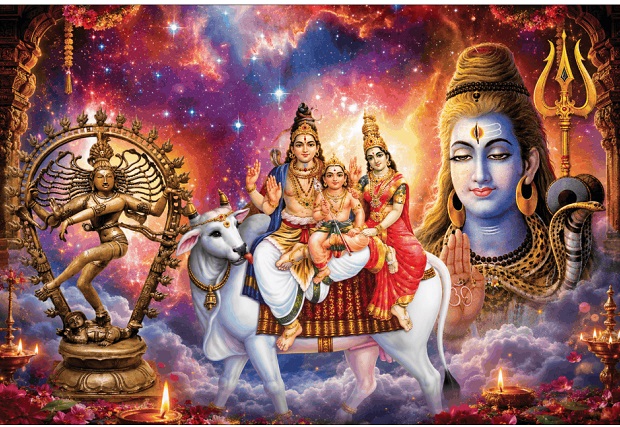
Lucknow: Is Shiva the god of destruction? Is it auspicious to keep icon of Nataraja in one’s house? Is Shiva’s Tandava a representation of destruction? These are some of the questions that arise in our minds. Let us see what they actually mean. Symbolism of Nataraja `Siva’ means `the auspicious’.According to Hindu philosophy, the dance of Nataraja is a symbolic representation of the pañcakŗtya – the five main activities of the Supreme Being, which constitute the cosmic process – Sŗṣṭi (creation or evolution), Sthiti (preservation or continuation), Samhāra (conclusion), Tirobhāva…

Read More

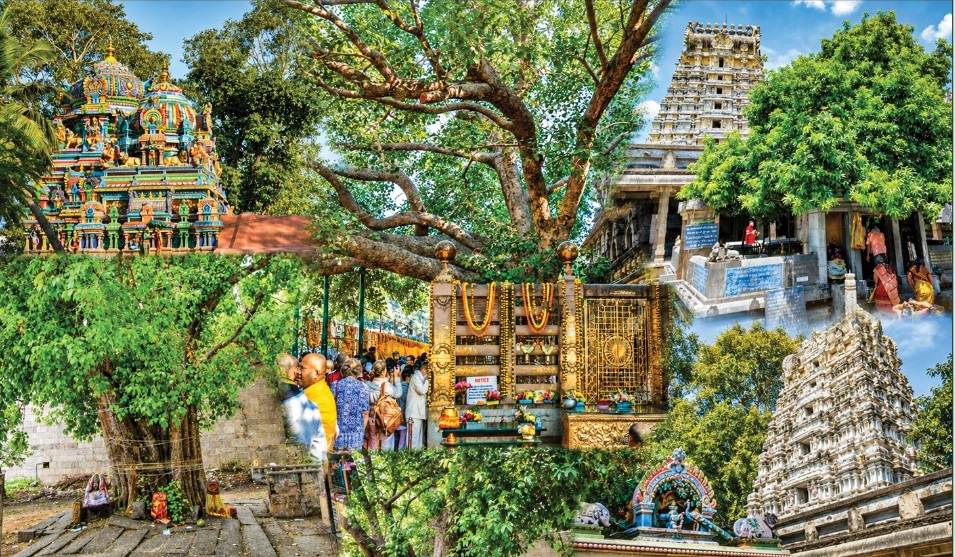
Temple Trees – the Sthala Vriksha

Temple Trees, Sthala Vriksha, Sacred Groves, Hindu Temples, Indian Heritage, Temple Ecology, Sacred Trees, Temple Traditions, Ancient Worship, Cultural Heritage, Temple Architecture, Spiritual Ecology, Bilva Tree, Banyan Tree, Peepal Tree, Neem Tree, Kadamba Forest, Chidambaram, Madurai Temples, Kanchipuram Temples, Srirangam, Devotional Practices, Temple Rituals, Nature Worship, Environmental Conservation, Religious Traditions, Indian Culture, Temple History, Sacred Landscapes, Temple Gardens, Biodiversity, Traditional Knowledge, Puranas, Itihasas, Temple Festivals, Heritage Conservation, Vedic Traditions, Temple Water Tanks, Cultural Ecology, Spiritual Practices, Devotional Music, Temple Art, Ancient India, Ecological Wisdom, Tree Worship, Sacred Geography, Siddhanta Knowledge Foundation, Hindu Spirituality, Temple Heritage, Living Traditions.

Lucknow: To fully understand the concept of a temple tree, we must understand the connection between forests, trees and worship in early times and how the concept of sacred groves has developed over the centuries. We know that in very early times in India, deities were first worshipped in the open, sometimes with stone or wood images. Hero stones were also quite popular in the worship of the common people. There is much evidence for the fact that many temples came up in locations long considered sacred with specific deities…

Read More