
Washington: The United States has announced a reward of up to $20 million for information about Iran’s nuclear programme, targeting details of suspected nuclear facilities, specialised equipment and individuals associated with related activities.
The offer has been made through the US State Department’s Rewards for Justice programme. Individuals providing credible and useful information may also be eligible for relocation assistance, depending on the circumstances.
The announcement comes amid continuing tensions between Washington and Tehran over Iran’s nuclear activities, international inspections and regional security. While the US is seeking greater insight into Iran’s nuclear infrastructure, diplomatic efforts continue to prevent the dispute from triggering further military confrontation.
Washington Seeks Information on Nuclear Facilities
The Rewards for Justice programme, established in 1984, offers financial incentives to individuals who provide information that could help protect US national security interests.
Under the latest announcement, American authorities are seeking information about Iran’s nuclear facilities, equipment, infrastructure and personnel connected with the programme. This may include people with specialised knowledge of nuclear technology, including scientists and technical staff.
The maximum reward has been fixed at $20 million. However, the amount awarded would depend on the value and usefulness of the information provided. The possibility of relocation is an additional incentive for individuals concerned about their safety.
US Raises Concerns Over Nuclear Monitoring
Washington’s announcement comes amid disagreements over Iran’s cooperation with the International Atomic Energy Agency (IAEA), the UN nuclear watchdog responsible for monitoring nuclear activities and verifying compliance with safeguards agreements.
The US has expressed concern about gaps in international monitoring, particularly the loss of continuity of knowledge regarding certain nuclear materials and equipment, including centrifuges.
Centrifuges are used to enrich uranium, a process that can support civilian nuclear energy programmes but can also produce material suitable for nuclear weapons if enrichment reaches sufficiently high levels.
Reduced monitoring makes it harder for international inspectors to establish the status of nuclear materials and equipment and verify developments within Iran’s nuclear programme.
Trump Claims Military Action Damaged Iran’s Nuclear Capabilities
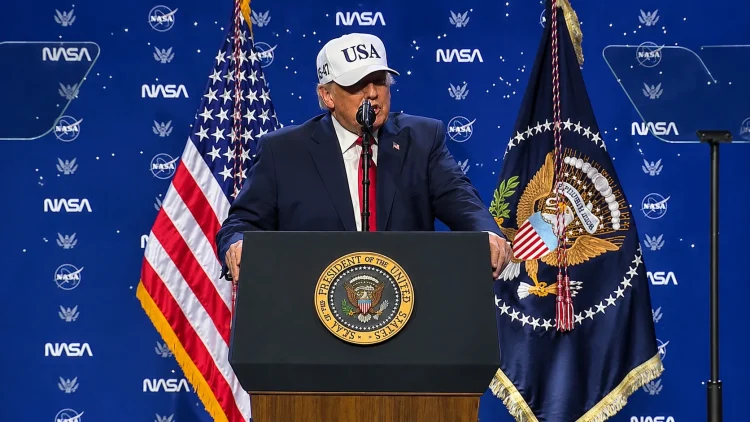
Former US President Donald Trump has separately claimed that American military operations severely weakened Iran’s nuclear infrastructure.
Speaking in West Palm Beach, Florida, Trump defended the military action, arguing that it had prevented a serious threat to Israel and other countries in the Middle East.


He also claimed that the strikes had damaged Iran’s military strength and economy, putting additional pressure on Tehran to negotiate with Washington.
These assertions represent Trump’s assessment. The precise extent of the damage to Iran’s nuclear facilities and the country’s remaining technical capabilities requires independent verification.
Pickaxe Mountain Remains Under Scrutiny
Trump also referred to locations that he believes could remain relevant to concerns about Iran’s nuclear activities. One such site is Pickaxe Mountain in central Iran, which has attracted international attention because of suspicions surrounding its possible connection to the country’s nuclear infrastructure.
The site has been the subject of speculation about potential underground nuclear-related facilities. Iran has consistently rejected allegations that it is pursuing nuclear weapons.
Its actual purpose and activities remain matters requiring reliable intelligence and independent verification.
The latest US reward offer could help Washington obtain additional information about facilities and activities that it believes have not been fully accounted for.
Iran Maintains That Dialogue Is Possible
Despite the continuing confrontation, Iran has indicated its willingness to pursue a diplomatic solution.
President Masoud Pezeshkian has reiterated his administration’s support for dialogue to address the dispute. His position suggests that Tehran remains open to negotiations, although significant differences between the two sides continue to complicate the process.
Any agreement would need to address nuclear monitoring, safeguards obligations, uranium enrichment and wider security concerns.
For Washington, obtaining reliable information about Iran’s nuclear infrastructure remains a priority. Tehran, meanwhile, faces pressure over its nuclear activities and relations with international monitoring agencies.
The $20 million reward marks another step in the US effort to gather intelligence on Iran’s nuclear programme. Whether the parallel diplomatic efforts can produce an agreement will depend on the willingness of both governments to address their differences without further military escalation.








 https://www.youtube.com/watch?si=RtToJsBhYBatUrym&v=mOuYNSdhjHA&feature=youtu.be