Tehran: Iran has reportedly begun distributing iodine tablets to residents living near some of its nuclear facilities amid growing concerns over the possibility of renewed US military action against the country.
According to a report by The Times of London, citing an Iranian Health Ministry official, the distribution is intended as a precaution against possible radiation exposure if nuclear installations come under attack.
The official confirmed that residents were receiving the tablets and expressed concern over US President Donald Trump’s intentions. The move comes as Washington reportedly reviews its military options concerning Iran’s nuclear programme.
Iran has reportedly taken similar precautionary measures during earlier periods of heightened tensions, particularly for communities living within two to three kilometres of nuclear facilities.
Why Are Iodine Tablets Being Distributed?
Potassium iodide tablets are used in specific nuclear emergencies to reduce the risk of thyroid cancer associated with exposure to radioactive iodine.
The thyroid gland naturally absorbs iodine. During a nuclear incident, radioactive iodine released into the environment can enter the body through contaminated air, food or water. Taking stable iodine at the appropriate time can help prevent the thyroid from absorbing radioactive iodine.
However, these tablets do not protect against other radioactive materials or all forms of radiation exposure. Their use must follow instructions issued by health authorities.
Iran’s reported decision indicates that authorities are preparing for possible emergency scenarios. However, the distribution of iodine tablets does not establish that a military attack is imminent.
Reports Raise Concerns Over Possible Strike on Pickaxe Mountain
Speculation about potential US military action has intensified following reports concerning Iran’s heavily fortified Pickaxe Mountain nuclear facility.
An Iranian political journalist reportedly claimed that government officials had been briefed about serious consideration of a possible US strike on the underground installation.
The reports followed a meeting between Trump and members of his national security team at the White House. Fox News, citing senior officials, reported that discussions had taken place about the possibility of resuming military operations against Iran.


Fox News also referred to November 9 and the new moon, suggesting that limited natural moonlight could be a factor in planning certain military operations. However, these reports do not establish that an attack has been approved or scheduled.
Any military strike against nuclear installations could raise serious security and environmental concerns, depending on the nature and extent of the damage.
Trump Says US Decision on Iran Is Imminent
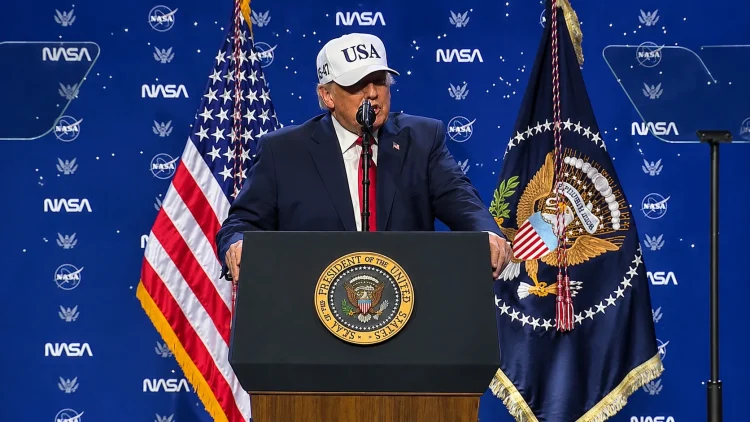
Trump has told reporters that Washington would decide soon whether to resume military action against Iran.
He questioned whether further strikes would be necessary to ensure the permanent dismantling of Iran’s nuclear programme. While expressing a preference to avoid additional destruction, he indicated that military action could remain an option.
The US administration has not confirmed a final decision to launch another operation. Discussions within the national security establishment should therefore be distinguished from an authorised military strike.
Iraq Opposes Use of Its Territory for Military Attacks
Meanwhile, neighbouring Iraq has reiterated that its territory must not be used as a launchpad for military operations against other countries.
Iraqi Prime Minister Ali Faleh Al-Zaidi reportedly conveyed this position to Trump during a telephone conversation. The Iraqi Prime Minister’s Office subsequently reiterated Baghdad’s opposition to the use of Iraqi territory for attacks against neighbouring states.
Iraq’s position reflects concerns about the wider consequences of a confrontation between Washington and Tehran. An escalation could place additional pressure on regional governments over airspace access, military operations and security arrangements.
For now, Iran’s reported distribution of iodine tablets, Washington’s review of military options and Iraq’s diplomatic position point to heightened regional anxiety. Whether the developments lead to renewed military confrontation or further diplomatic engagement remains uncertain.








 https://www.youtube.com/watch?si=RtToJsBhYBatUrym&v=mOuYNSdhjHA&feature=youtu.be