New Delhi: India has the technological and industrial potential to develop a globally competitive private defence drone manufacturer on the lines of Turkey’s Baykar. However, achieving this ambition will require sustained government backing, long-term research funding and real-world operational experience rather than an overdependence on conventional procurement tenders.
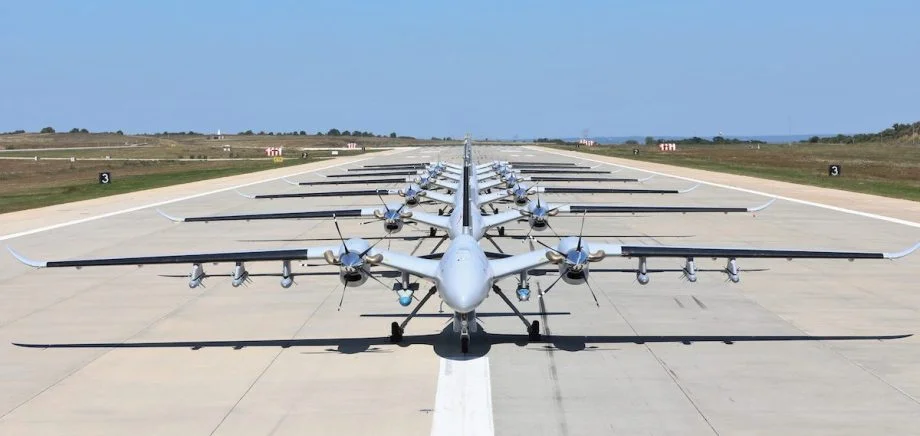
Turkey’s Baykar has emerged as a major player in the global unmanned aerial vehicle (UAV) industry, largely through its Bayraktar TB2 combat drone. By the end of 2024, the platform had reportedly accumulated one million flight hours and secured exports to more than 30 countries. The company recorded revenues of $2 billion in 2023, with over 90 per cent generated through international exports.
Its growth was supported by long-term government investment, procurement commitments and strong institutional backing. The TB2 also gained international recognition through its deployment in conflicts in Syria, Libya, Nagorno-Karabakh and Ukraine, where its battlefield performance strengthened its commercial appeal.
India, meanwhile, has opened its defence sector to private manufacturers and startups, while organisations such as the Defence Research and Development Organisation (DRDO) continue developing indigenous unmanned platforms, including TAPAS-BH-201.
However, India’s procurement framework remains largely dependent on competitive tenders and the lowest-bidder (L1) system. This approach, according to the analysis, often prioritises pricing over long-term technological development and industrial capability.


Another challenge is the limited combat validation of Indian-made unmanned systems. International buyers generally seek evidence of operational performance in challenging environments, including electronic warfare and sophisticated air-defence conditions, rather than relying solely on test-range results.
The proposed policy approach involves providing selected private defence companies with patient capital, sustained research and development support, and long-term procurement assurances. Faster defence export clearances would also help Indian manufacturers access international markets, gather operational feedback and improve their platforms.
India’s emergence as a global drone manufacturing powerhouse is considered achievable, but it will require a shift from short-term tender-based competition towards strategic investment, innovation and international market exposure.








 https://www.youtube.com/watch?si=RtToJsBhYBatUrym&v=mOuYNSdhjHA&feature=youtu.be