Marco Rubio signals progress in negotiations as India weighs export opportunities, agricultural safeguards and national interests
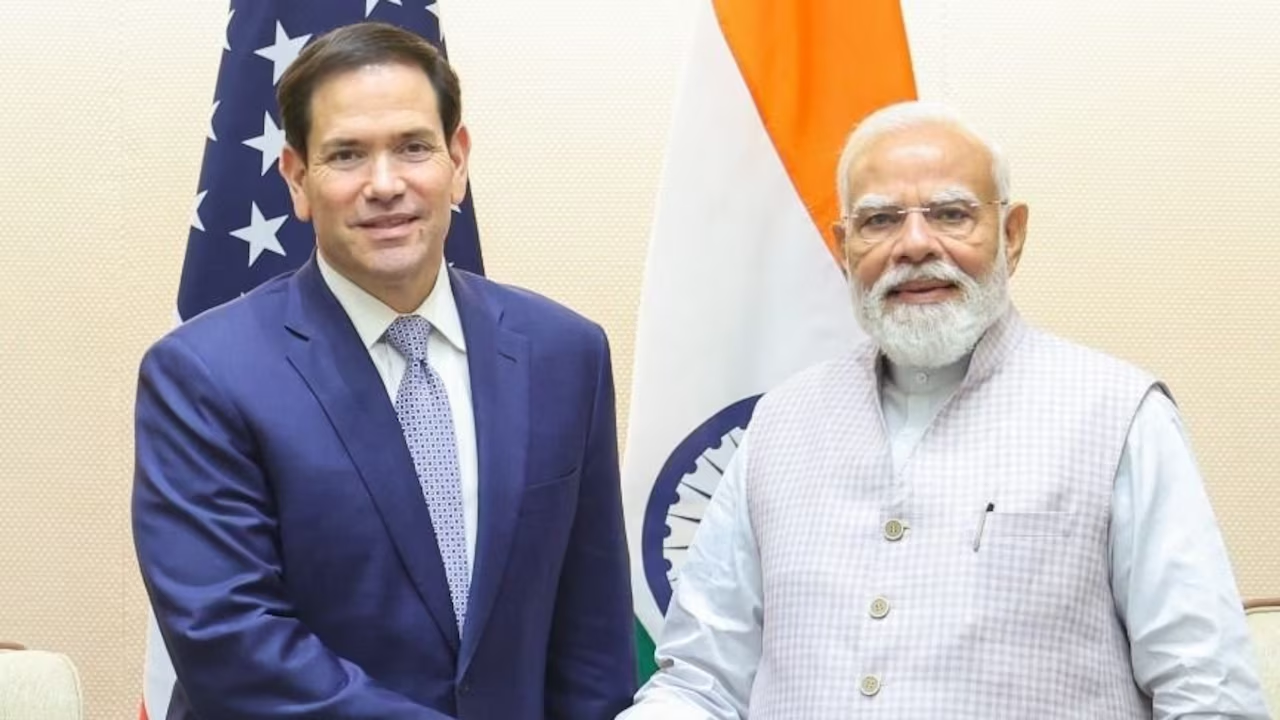
New Delhi: India and the United States are reportedly moving closer to finalising a proposed trade agreement, raising expectations of stronger economic cooperation and deeper strategic engagement between the two countries. US Secretary of State Marco Rubio has indicated that only a few issues remain to be resolved before the agreement can be formally announced.
Rubio made the remarks during his visit to Mumbai, while Union Commerce Minister Piyush Goyal has also expressed hope that the first phase of the agreement could be concluded soon. However, the final terms, scope and implementation timeline remain subject to official confirmation.
The proposed agreement aims to facilitate trade in goods and services, reduce tariff-related barriers, encourage investment and improve market access for businesses in both countries. For Indian exporters, improved access to the US market could create opportunities in textiles, garments, pharmaceuticals, engineering goods, gems and jewellery, information technology and other services.
Greater market access could boost exports, attract investment, expand manufacturing and generate employment, particularly in labour-intensive industries. However, the benefits will depend on the final terms of the agreement and the ability of Indian businesses to compete on quality, cost, technology and delivery standards.
Micro, small and medium enterprises (MSMEs) could benefit from expanded export opportunities, provided they receive adequate access to affordable credit, modern technology, training and efficient logistics. Without such support, the gains from increased international trade could remain concentrated among larger companies.
Agriculture is expected to be among the most sensitive areas in the negotiations. Indian farmers, particularly small and marginal cultivators, could face increased competition if trade barriers on certain agricultural products are reduced. Differences in production costs, farm sizes, technology and government support between the two countries make safeguards for domestic producers an important consideration.
At the same time, agricultural trade could create opportunities for both countries. Any agreement will need to balance expanded commerce with food security, farmers’ livelihoods and the stability of rural economies.

The proposed trade pact also forms part of a broader relationship encompassing defence, energy, technology, education and investment. Discussions between Rubio and External Affairs Minister S Jaishankar have covered energy security, defence cooperation and strategic partnership, while US Ambassador to India Sergio Gor has highlighted the importance of engagement across several sectors.
Cooperation in energy could help India strengthen supply security and access relevant technologies. In defence, partnerships could support advanced equipment development, manufacturing and industrial collaboration. Emerging areas such as artificial intelligence, semiconductors, cybersecurity, digital services and advanced manufacturing could also provide opportunities for technological cooperation.
However, India will need to safeguard data security, intellectual property, domestic capacity-building and technological self-reliance while expanding such partnerships.
The agreement’s success will ultimately depend on measurable economic outcomes, including export growth, fresh investment, employment generation and benefits for smaller businesses. Transparency in the agreement’s provisions and consultations with industry representatives, farmers and workers will be important in assessing its wider impact.
During his Mumbai visit, Rubio also paid tribute to the victims of the 26/11 Mumbai terror attacks, underscoring the broader security dimension of India-US relations.
While the proposed agreement could give fresh momentum to bilateral economic ties, its final terms and implementation details remain crucial. For India, the challenge will be to expand international trade and investment while protecting domestic industries, farmers, workers and consumers.
A balanced agreement based on mutual benefit, fair competition and long-term economic stability could strengthen the partnership, provided India’s economic sovereignty and national interests remain central to the final outcome.













 https://www.youtube.com/watch?si=RtToJsBhYBatUrym&v=mOuYNSdhjHA&feature=youtu.be