New Delhi: India’s ongoing military reforms centred on Joint Theatre Commands (JTCs) are expected to significantly enhance the armed forces’ ability to conduct integrated operations across land, air, sea, cyber and space domains. Defence analysts believe the restructuring will enable faster decision-making, better coordination among the Army, Navy and Air Force, and a more credible deterrence against cross-border threats.
The proposed theatre command system seeks to replace service-specific operational structures with integrated commands capable of planning and executing joint missions under a unified leadership. The objective is to improve operational efficiency, optimise military resources and enable swift responses to emerging security challenges.

According to defence experts, future military operations are likely to place greater emphasis on precision strikes, intelligence-driven missions and multi-domain coordination rather than large-scale conventional warfare. The approach is designed to target terrorist infrastructure and strategic military assets while minimising collateral damage and avoiding unnecessary escalation.
Military planners envision specialised formations capable of conducting rapid, high-precision operations deep inside hostile territory, supported by advanced air power, long-range missiles, drones, cyber capabilities and electronic warfare systems. Such integrated missions would involve close coordination between special forces, fighter aircraft, surveillance platforms and naval assets.
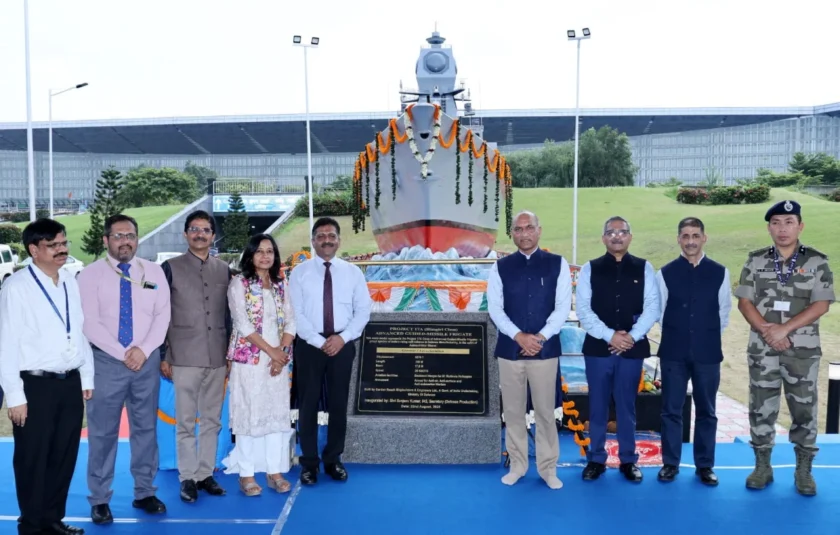
The Indian Navy is expected to play a critical role in any future contingency by safeguarding maritime approaches, maintaining sea control and disrupting hostile logistics through carrier battle groups, submarines and long-range maritime surveillance aircraft such as the Boeing P-8I.
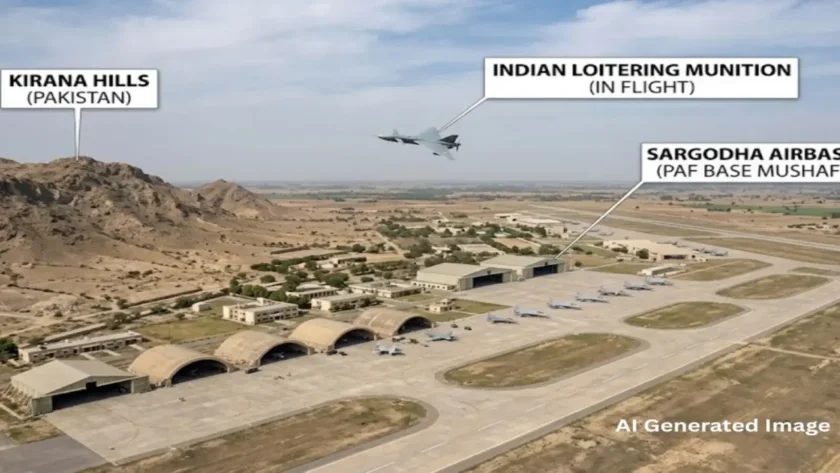
Defence experts also point to the increasing importance of stand-off precision weapons in modern warfare. Cruise missiles, long-range strike systems and loitering munitions are expected to form the backbone of future operations, allowing the armed forces to engage strategic targets from extended distances while reducing risks to personnel.

Alongside conventional military capabilities, cyber warfare, electronic warfare and information operations are likely to become integral components of India’s evolving defence strategy. These capabilities could be employed to disrupt communications, degrade command-and-control networks and counter misinformation during periods of heightened tension.
Military analysts note that any response to cross-border terrorism or external aggression would continue to be guided by India’s political leadership, strategic objectives and international legal obligations. They emphasise that the primary aim of the theatre command structure is to enhance preparedness, improve inter-service coordination and strengthen deterrence rather than encourage military escalation.
The armed forces are also expected to continue modernising their inventory with advanced air defence systems, counter-drone technologies, precision-guided munitions and next-generation surveillance platforms to address emerging threats on future battlefields.
India’s transition towards integrated theatre commands represents one of the most significant defence reforms since Independence. Officials believe the restructuring will improve operational synergy among the three services, strengthen national security, and equip the armed forces to respond more effectively to complex, multi-domain security challenges in the years ahead.




 ---------------------------------------------------------------------------------------------------