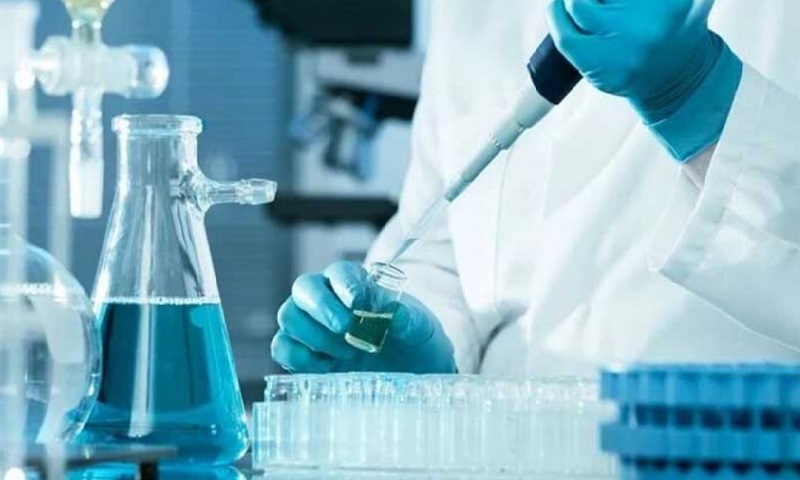
New Delhi: The Centre is preparing a major expansion of India’s health research ecosystem, with the draft National Health Research Policy 2026 proposing a more than sixfold increase in public investment by 2047. The ambitious roadmap aims to accelerate the development of new medicines, vaccines, diagnostic technologies and treatment strategies to address the country’s growing burden of serious diseases.
Under the draft policy, spending on health research is proposed to rise from the current 0.024 percent of Gross Domestic Product (GDP) to 0.072 percent by 2037 and further to 0.15 percent by 2047. The government believes sustained investment in research will strengthen India’s ability to respond to both emerging and long-term public health challenges.

Unlike previous approaches that largely measured success through the number of research publications, the new policy shifts the focus towards real-world outcomes. Future research will be evaluated on its ability to produce innovative therapies, affordable diagnostics, effective vaccines and evidence that can directly influence healthcare delivery and public policy.
The policy identifies cancer, tuberculosis, diabetes, cardiovascular diseases, mental health disorders, maternal and child health, malnutrition, antimicrobial resistance, infectious diseases and age-related illnesses as priority research areas. A dynamic National Health Research Agenda will be updated periodically to ensure that funding reflects the country’s changing disease profile and healthcare needs.
To strengthen research capacity, the government plans to expand multidisciplinary research units across medical colleges nationwide. Existing Viral Research and Diagnostic Laboratories will also be upgraded into Infectious Disease Research and Diagnostic Laboratories, enabling scientists to study not only viruses but also bacterial, fungal and parasitic infections under a broader research framework.
The draft also envisions a stronger role for the Indian Council of Medical Research (ICMR), with investments in advanced laboratories, cutting-edge technologies and closer collaboration with state governments to build an integrated national research network.

Promoting indigenous innovation is another key pillar of the proposed policy. The government intends to encourage partnerships among startups, industry, medical colleges and research institutions to accelerate the development of homegrown medicines, vaccines, medical devices and diagnostic kits. Emerging technologies such as artificial intelligence, genomics, digital health platforms and national disease registries are expected to play an increasingly important role in future research.
The policy also introduces a new performance evaluation framework, known as ICMR-IRIS, which will assess research based on its practical impact rather than publication numbers alone. Projects will be judged on whether they lead to new treatments, technologies, policy improvements or measurable benefits for patients.
In addition to increased central funding, the draft policy calls on state governments to establish dedicated financing mechanisms for health research and gradually raise their own investments. Regular reviews of spending by both the Centre and the states are proposed to ensure that the long-term targets outlined for 2037 and 2047 remain on track.
If implemented, the policy could significantly reshape India’s health research landscape, positioning innovation and translational science at the centre of efforts to improve healthcare outcomes and strengthen the country’s preparedness for future medical challenges.




 ---------------------------------------------------------------------------------------------------