Minimally invasive robotic procedure enables scar-free tumour removal and rapid recovery
Lucknow: In a significant advancement for cancer care in Uttar Pradesh, doctors at Max Super Speciality Hospital, Lucknow, have successfully treated a 35-year-old man suffering from Stage II tonsil cancer through an advanced robotic surgical procedure. The operation was performed using Trans Oral Robotic Surgery (TORS), a state-of-the-art minimally invasive technique that allowed surgeons to remove the tumour with exceptional precision, without any external facial incision or visible scarring.
The patient, Shakeel Ahmad, a resident of Bahraich district, had been experiencing persistent throat pain and increasing difficulty in swallowing for several weeks. Like many people, he initially believed the symptoms were related to a common throat infection. However, when the discomfort began affecting his ability to eat and carry out daily activities, he sought specialized medical consultation.
Following a comprehensive clinical assessment and diagnostic investigations at Max Hospital, doctors diagnosed him with Stage II tonsil cancer, a form of head and neck cancer that can impact speech, swallowing, and overall quality of life if not identified and treated at an early stage.
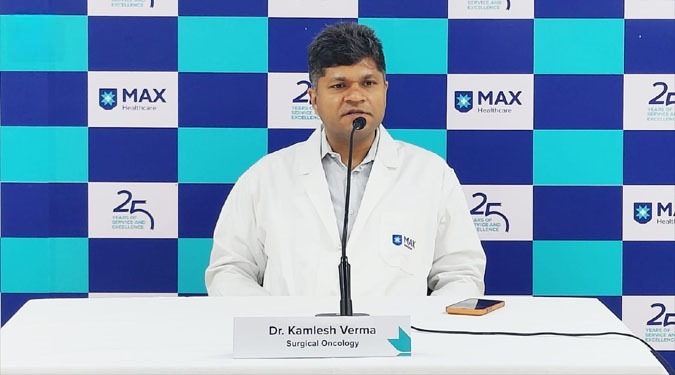
The case was managed under the leadership of Dr. Kamlesh Verma, Director of Surgical Oncology, along with a multidisciplinary team of cancer specialists. After evaluating the tumour’s location and stage, the team decided to proceed with Trans Oral Robotic Surgery using the advanced da Vinci Surgical System.
During the procedure, surgeons removed the cancerous tonsil tumour through the mouth using robotic technology, eliminating the need for major external incisions. The affected lymph nodes in the neck were removed through a small, carefully placed incision, helping to minimize visible scarring while ensuring effective cancer treatment.
Explaining the benefits of the procedure, Dr. Verma said that robotic surgery has transformed the way many head and neck cancers are treated.

“Trans Oral Robotic Surgery offers remarkable precision and allows surgeons to access difficult areas with minimal disruption to surrounding tissues. In appropriately selected patients, this approach can reduce treatment-related complications and may even decrease the need for extensive chemotherapy or radiation therapy. Most importantly, patients benefit from faster recovery, less pain, and a quicker return to normal life,” he said.
The minimally invasive nature of the surgery significantly reduced tissue trauma and post-operative discomfort. Mr. Ahmad responded well to the treatment and showed rapid improvement during the recovery period. He was able to resume oral intake soon after surgery and achieved clinical stability within just a few days.
Medical experts note that head and neck cancers, including tonsil cancer, are increasingly being diagnosed among younger adults. Common risk factors include tobacco use, smoking, excessive alcohol consumption, and infection with the Human Papillomavirus (HPV). Specialists advise that symptoms such as persistent throat pain, difficulty swallowing, unexplained neck swelling, or prolonged changes in voice should never be ignored and warrant timely medical evaluation.
The successful outcome of this case highlights the growing role of robotic-assisted surgery in modern oncology. By combining advanced technology with specialized medical expertise, Max Super Speciality Hospital, Lucknow, continues to expand access to sophisticated cancer treatment options in the region, helping patients achieve better clinical outcomes, shorter recovery times, and improved quality of life.
As robotic surgery becomes increasingly integrated into cancer care, cases like this demonstrate how innovation is reshaping treatment pathways and offering new hope to patients facing complex diagnoses.