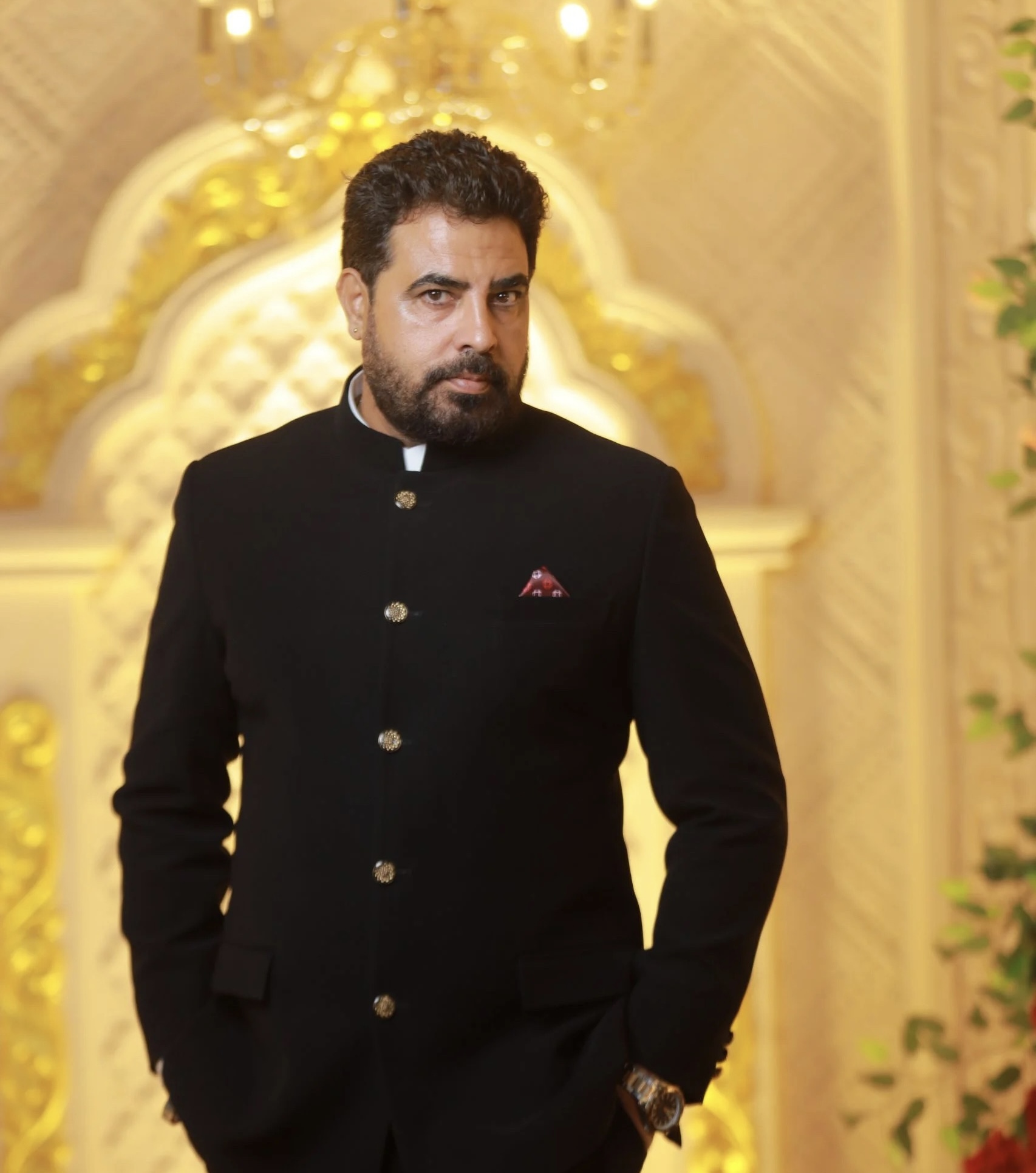
Mumbai: In the Time Out City Life Index 2025, Mumbai has been named as the happiest city in Asia. While looking at the city’s constant hustle, it might come as a surprise to many that actor Sunil Sharma, who was seen as Shaukat in the Dhurandhar duology, feels the idea of happiness in a city like Mumbai goes far beyond comfort or convenience.
He said, “Happiness in a city like Mumbai isn’t about comfort—it’s about possibility.” It’s the belief that no matter where you come from, the city gives you a chance. In Mumbai, happiness is found in momentum, ambition, and belonging—whether it’s chasing dreams, sharing a local train ride, or simply watching the sea at Marine Drive. It’s a city where struggle and hope coexist, and that combination creates a very unique emotional energy.”

According to him, the sentiment is not limited to just emotional feelings but lies more on opportunities and growth. He said, “The numbers reflect a few core strengths: endless opportunities—career growth across industries; cultural vibrancy—food, festivals, cinema, and nightlife; and social energy—a constant buzz that keeps people engaged. Surveys show that residents rate culture, food, nightlife, and quality of life highly, all of which contribute to daily joy.
More than anything, Mumbai offers a sense of movement; life never feels stagnant here.”
He stressed that Mumbai stands out because it’s deeply inclusive and resilient. He added, “Unlike many cities that can feel isolating, Mumbai has a strong community spirit; people help each other, even strangers. Also, it’s one of the few places where diversity truly works in harmony; different languages, cultures, and economic backgrounds all coexist. That creates a feeling of ‘this city accepts me as I am.'”
He further said, “Mumbai doesn’t promise ease; it promises meaning. The fast pace actually gives people a sense of purpose. When you’re constantly working towards something, stress becomes part of the journey, not the whole story.
Also, the city has emotional release valves—street food, nightlife, the sea, and festivals—small everyday joys that balance out the pressure.”

Sunil also highlighted the noticeable changes that may be contributing to rising happiness levels. He said, “Several shifts could be contributing: better infrastructure and connectivity in recent years; growth in creative and digital industries; more lifestyle spaces—cafés, public areas, and experiences; and a stronger focus on work-life balance post-pandemic. The survey itself notes that residents feel the city’s overall sense of happiness has grown recently, indicating a positive perception of change and progress.”
He emphasized that despite the challenges, Mumbai continues to thrive emotionally, proving that happiness is not always tied to perfect conditions. He said, “Happiness here isn’t built on perfect conditions; it’s built on adaptability and mindset. People accept the chaos because they feel the rewards outweigh the discomforts. In fact, the challenges often strengthen the city’s identity; they create resilience, shared struggle, and a deeper sense of connection among residents.”
“Mumbai’s happiness isn’t about luxury; it’s about hope in motion. And that’s something statistics can measure, but only lived experience can truly explain,” Sunil ended.







 ---------------------------------------------------------------------------------------------------