- Albendazole tablets to be administered at 23,522 schools and anganwadi centres
- Children and adolescents aged 1 to 19 years to benefit
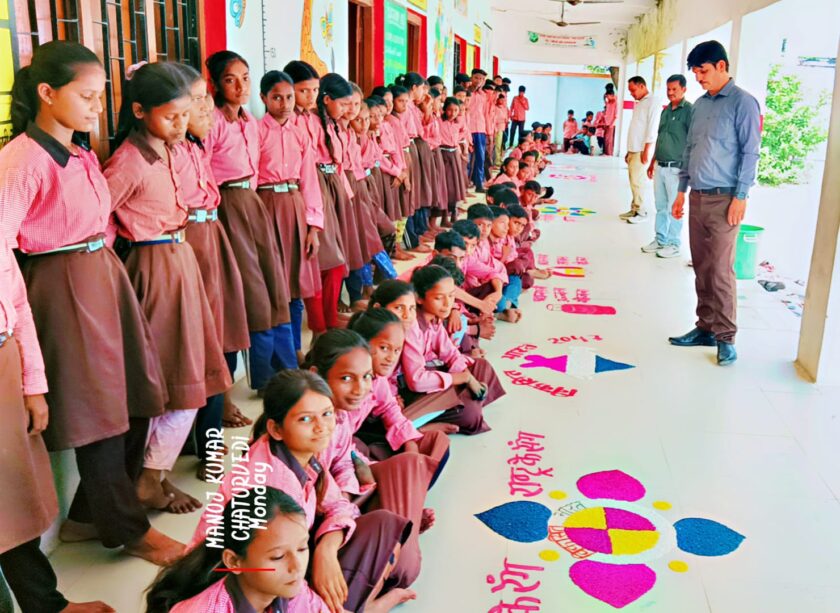
Gonda: Come August 10, mornings will look a little different across schools in the Devipatan division. After the morning prayer, children will settle into their classrooms, and teachers will write two words on the blackboard: “National Deworming Day.” Health workers and ASHA workers will step in from there, explaining to students that this one small albendazole tablet does far more than just guard against worm infections — it helps the body absorb nutrients properly, lowers the risk of anaemia, and supports healthy growth overall. Across Bahraich, Shravasti, Balrampur and Gonda, roughly 52.15 lakh children and adolescents between the ages of 1 and 19 will be given the dose.
According to Dr Santlal Patel, In-Charge Additional Director (Devipatan Division) and Chief Medical Officer, the goal of the campaign is to reach every eligible child, regardless of whether they attend school or not. To make that possible, 10,864 ASHA workers, 9,779 anganwadi workers, along with teachers and other health staff, have all been trained ahead of the drive. The February 2026 round of the campaign achieved coverage of between 91 and 97 percent, and officials are now aiming for full, hundred-percent coverage this time around.

Dirt and Contaminated Food Remain the Main Culprits
Rahul Patel, Divisional Manager for the National Health Mission, explained that worms live inside the intestine and quietly rob the body of nutrients. Children pick up infections easily, whether through open defecation, dirty hands, or contaminated food and water. The medicine will be administered across 13,751 schools and 9,771 anganwadi centres in the division, and children who miss the initial round will get a second chance on Mop-Up Day, scheduled for August 14. The tablet is meant to be chewed, though for younger children, it can be crushed before administering if needed.
Especially Beneficial for Adolescent Girls, Laying the Groundwork for Safe Motherhood

Ranjeet Kumar, District Consultant for the National Adolescent Health Programme, pointed out that severe infections can lead to diarrhoea, stomach pain, vomiting, anaemia, malnutrition, and general weakness in children. What makes worm infections tricky, he added, is that symptoms often go unnoticed, which is exactly why the dose is administered twice a year. Regular deworming helps improve nutrition, strengthens immunity, and supports both physical and mental development. For adolescent girls in particular, the benefits carry forward well beyond childhood — better nutrition today lays the foundation for safer motherhood later in life.
Simple Steps to Prevent Worm Infections
Health officials recommend keeping nails clean and trimmed, drinking clean water, keeping food covered, washing fruits and vegetables before eating, washing hands before meals and after using the toilet, maintaining cleanliness around the house, wearing footwear, and avoiding open defecation.