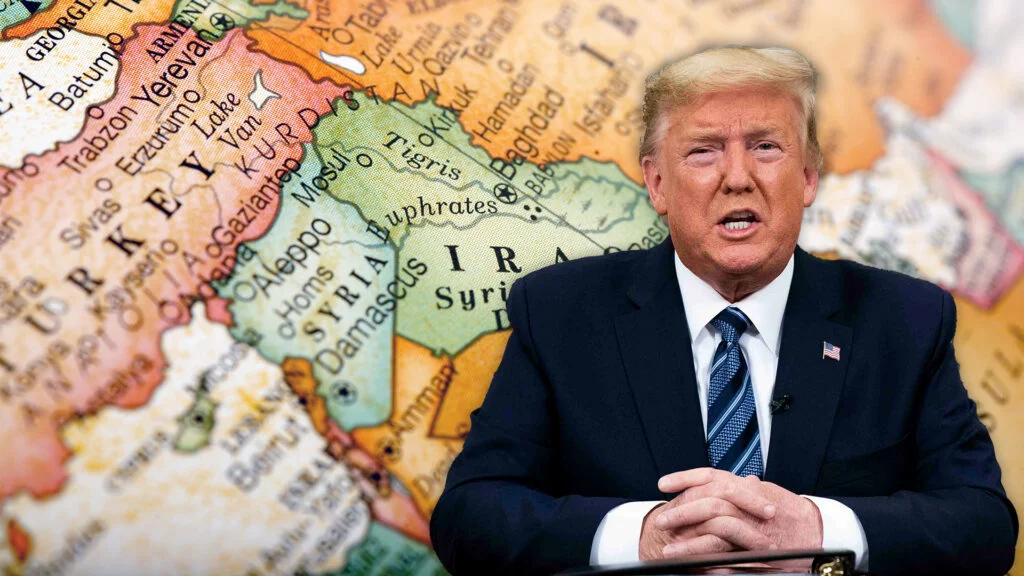
New Delhi: In the evolving landscape of global geopolitics, the idea of a “Lakshman Rekha”—a symbolic red line—has emerged as more than just a metaphor. It represents a calculated strategy of deterrence, signalling, and psychological pressure. This approach has been closely associated with the foreign policy posture of former U.S. President Donald Trump, particularly in dealing with adversaries like Iran.
Rather than defining a physical boundary, such “red lines” serve as political warnings—implicit thresholds that, if crossed, could trigger strong retaliatory action. Analysts view this as part of a broader doctrine of “maximum pressure,” where economic sanctions, military positioning, and assertive rhetoric are deployed to influence adversarial behaviour without direct conflict.

Strategic Signalling Over Direct Conflict
Trump’s approach marked a shift from traditional diplomacy, which often prioritises negotiation and consensus-building. In contrast, his strategy emphasised strength as the foundation of dialogue. By clearly outlining limits, the intent is to shape the opponent’s decisions through deterrence—forcing them to weigh the risks of escalation.
This method also carries a strong psychological dimension. When a powerful nation draws a clear line, it compels the opposing side to reconsider its actions, often preventing confrontation without actual engagement. However, such tactics are not without risks. Misjudgment or miscommunication can escalate tensions, especially in volatile regions like West Asia.
Tensions in a Fragile Region
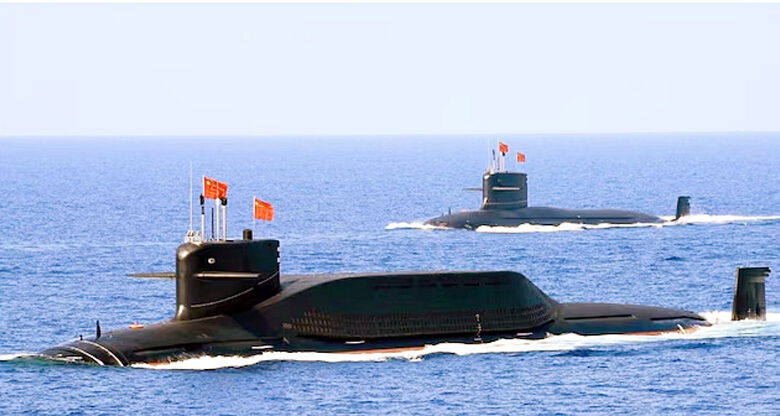
Recent developments involving Iran underscore the delicate balance of power in the region. Reports of Iranian vessels halting movement near a perceived American “red line” highlight how strategic signalling can influence real-time decisions on the ground. While military strength plays a role, restraint and calculated responses are equally significant in avoiding escalation.
The long-standing rivalry between United States and Iran has frequently brought the region close to conflict. During Trump’s tenure, this tension intensified, particularly after the U.S. withdrew from the 2015 nuclear agreement, deepening mistrust and triggering economic sanctions that severely impacted Iran’s economy.
At the same time, the U.S. has sought to reaffirm its global leadership by demonstrating readiness to protect its interests and allies. The “Lakshman Rekha” strategy fits into this narrative as a tool of controlled assertiveness—projecting power without necessarily engaging in war.
Global Implications and Energy Concerns
One of the most critical aspects of such tensions lies in their potential impact on global energy supply chains. The Strait of Hormuz, a vital route for a significant portion of the world’s oil shipments, remains particularly vulnerable. Any military escalation in this corridor could disrupt global markets and trigger economic instability far beyond the region.

Experts caution that while strategic red lines can prevent immediate conflict, they may also strain international cooperation. Overreliance on pressure tactics can erode trust among global stakeholders and weaken multilateral frameworks designed to maintain peace.
Renewed Hopes for Diplomacy
Amid heightened tensions, there are emerging indications of a possible second phase of dialogue between the United States and Iran. While earlier rounds of talks yielded limited outcomes, they opened channels for communication that may now be revisited.
Key issues expected to dominate any renewed negotiations include Iran’s nuclear programme, sanctions relief, and regional security concerns. For Iran, easing economic pressure remains a priority, while the U.S. seeks stability in a strategically sensitive region.
Despite deep-rooted mistrust and the legacy of past disagreements, the prospect of dialogue signals a potential shift from confrontation to cautious engagement. Observers note that diplomacy, even if gradual, could help stabilise a region long marked by volatility.
A Strategy with Uncertain Outcomes
Trump’s “Lakshman Rekha” strategy illustrates a broader transformation in modern diplomacy—where power projection and psychological deterrence increasingly complement traditional negotiation. While effective in certain contexts, its long-term success depends on how adversaries interpret and respond to these signals.
As global attention remains fixed on West Asia, the coming months will reveal whether strategic posturing gives way to meaningful dialogue—or whether the region continues to navigate the fine line between tension and restraint.