Islamabad: Pakistan is confronting mounting political, economic and security challenges, with escalating tensions with Afghanistan, domestic protests demanding the release of former prime minister Imran Khan and persistent economic vulnerabilities adding to pressure on the government.
The developments have renewed questions about Islamabad’s regional strategy and its ability to contain militancy while addressing the country’s internal problems.

Relations between Pakistan and Afghanistan have deteriorated amid mutual accusations over cross-border militancy. Pakistan has accused militant groups operating from Afghan territory of carrying out attacks inside its borders, allegations rejected by the Taliban-led Afghan administration. Reports of Pakistani airstrikes inside Afghanistan in early October, including claims of civilian casualties, have further heightened tensions.
The deteriorating relationship is particularly significant given Pakistan’s longstanding ties with the Afghan Taliban. Islamabad had expected developments in Afghanistan to support its security interests, but the presence of Tehreek-e-Taliban Pakistan (TTP) and continuing militant violence have complicated those calculations.
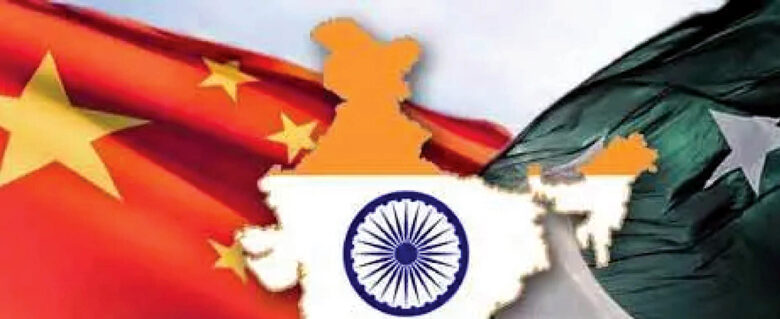
Pakistan is also dealing with strained relations with India. Diplomatic tensions reportedly intensified following an incident along the Punjab border in early October, prompting both countries to summon senior diplomats. The situation adds another layer to Islamabad’s security concerns as it faces challenges on multiple fronts.
Imran Khan’s Release Demand Fuels Political Unrest
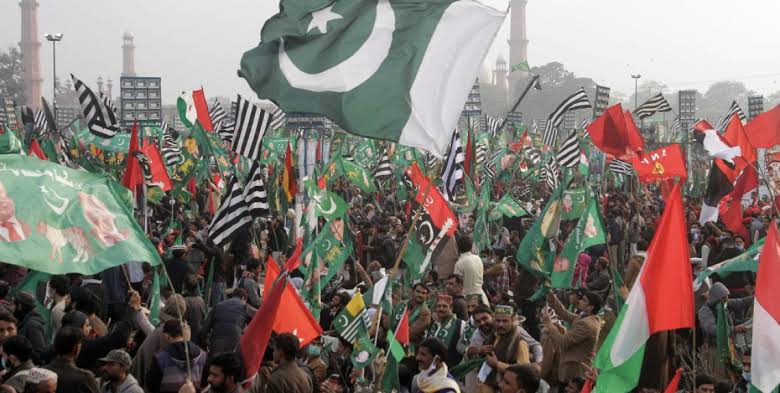
Domestic politics remain another source of uncertainty. Supporters of former prime minister Imran Khan began a march towards Islamabad in early October, demanding his release. The government responded by tightening security and restricting movement in parts of the capital.
The protests reflect continuing political divisions in a country where civilian governments and powerful military institutions have long shaped the struggle for political authority. Meanwhile, public concerns over inflation, employment, healthcare and education remain pressing.
Economic Vulnerabilities Persist
Pakistan’s economic difficulties further constrain the government’s options. Financial assistance from the International Monetary Fund has provided support, but structural challenges remain, including debt burdens, weaknesses in tax collection, energy-sector problems and limited employment opportunities.

Against this backdrop, sustained military and diplomatic tensions with neighbouring countries could place additional pressure on public finances and economic recovery. Security operations and regional confrontation also risk diverting attention and resources from domestic development priorities.
The broader challenge for Pakistan is to balance national security with economic stability and political reconciliation. Analysts have long debated the consequences of policies that treat militant groups as instruments of regional influence, particularly when such groups later turn against the state.
A Need for Policy Reassessment
Pakistan’s current difficulties highlight the interconnected nature of its domestic and foreign policy challenges. Persistent militancy, strained regional relations, political polarisation and economic fragility require responses that extend beyond military measures.
For India, instability in Pakistan remains a security concern because of the risks associated with cross-border militancy and the presence of nuclear weapons in the region. Maintaining vigilance against terrorism and infiltration remains important, alongside efforts to prevent wider escalation.
For Islamabad, a sustainable way forward would involve addressing militant violence, improving relations with neighbouring countries through dialogue, strengthening civilian institutions and prioritising economic reforms.
Pakistan’s immediate challenge is therefore not limited to managing tensions with India or Afghanistan. It also lies in resolving the internal political, economic and security problems that continue to restrict its development. Whether the government can pursue a more stable regional approach while addressing domestic demands will be central to the country’s future.